
Spring
Quiet days and snowmelt. Keep plans flexible while high-country roads reopen.
Duck Creek Village · Southern Utah
A park day, a lake afternoon, a little room to slow down. Start here for a Duck Creek trip that fits your time.
Plan your stay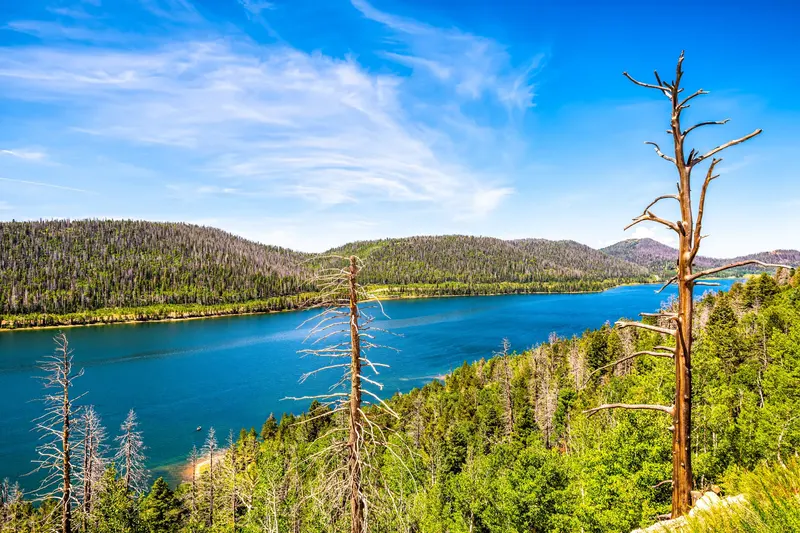
01 · Choose your season
Quiet days and snowmelt. Keep plans flexible while high-country roads reopen.
Lake days, forest trails and park outings. Pack layers for cooler evenings.
Aspens, crisp air and slower days. Watch for early snow as autumn progresses.
Snow trips and cozy evenings. Check Highway 14 and plan for winter driving.
02 · Find your pace
A three-night stay leaves time for a park day and a local day. Choose a starting point and make it your own.
These plans suit the snow-free season. In winter, swap lake and high-country outings for a weather-appropriate snow day. Winter access guide
Keep it close and leave the long park loop for another visit.
Pick up supplies on the way, check in and make the first evening easy.
Choose Navajo Lake or Cedar Breaks when access is open. Leave time for a meal in the village.
Enjoy breakfast, pack up and leave room for an unhurried drive home.
A good first visit
Our suggested starting point for a first Duck Creek stay.
Pick up supplies on the way, check in and enjoy a quiet evening.
Give Bryce Canyon or Zion a full day. Start early and check park access before you leave.
Make time for Navajo Lake, a forest walk or Cedar Breaks when seasonal access allows.
Enjoy breakfast and a little time in the village before the drive onward.
Separate the park days with time around Duck Creek.
Get your supplies and settle into your room or cabin.
Choose overlooks or a hike that suits your group, with time to enjoy the views.
Slow down around the village, or visit a lake or Cedar Breaks when access allows.
Leave early. Plan for parking and the canyon shuttle when it is operating.
Breakfast, a last look at the mountains, and time for the drive onward.
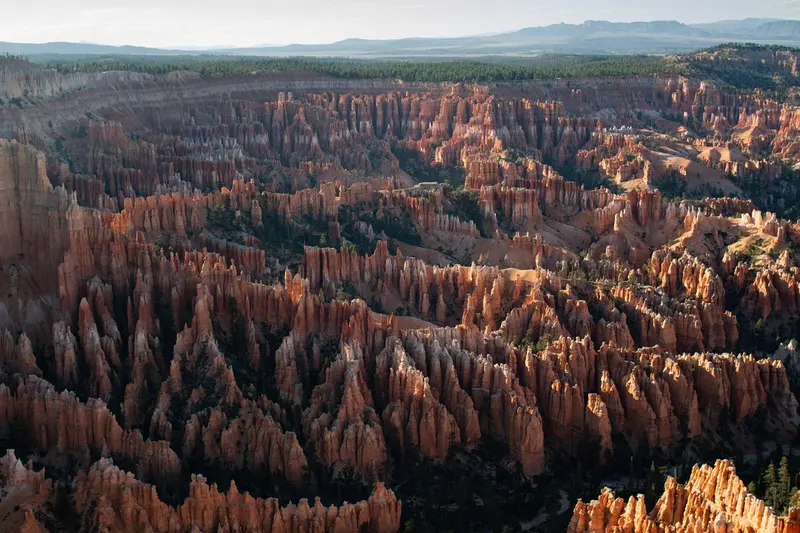
A full day for hoodoos & rim views
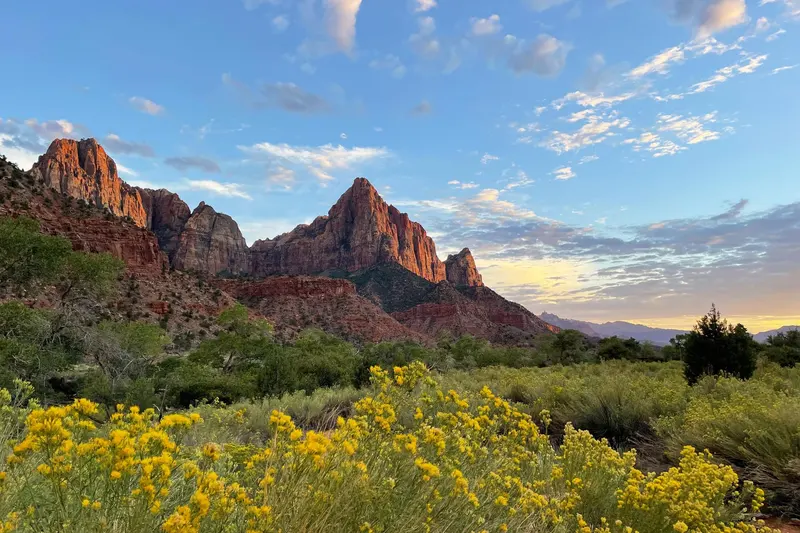
A full day, with an early start
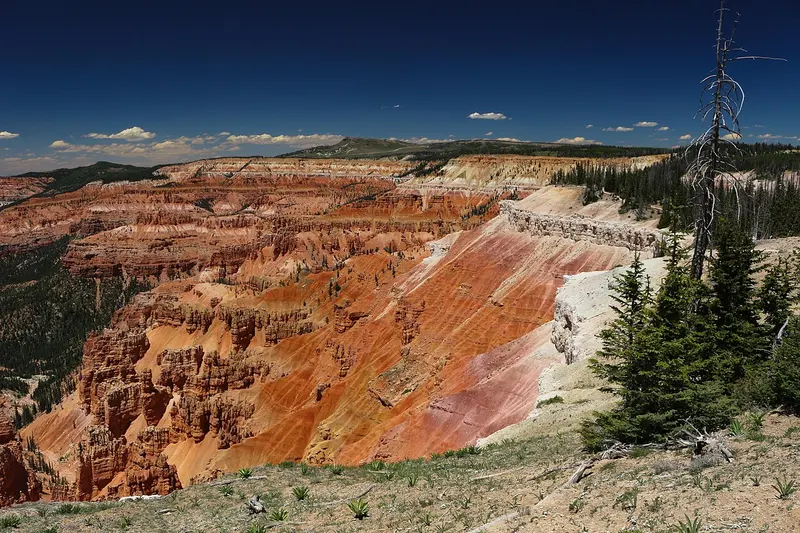
A high-country outing when roads are open
For Zion Canyon, allow time beyond the east entrance for parking and the shuttle. The east entrance is not the main-canyon shuttle stop.
03 · Plan the arrival
Coming from I-15? Cedar City is a useful stop for groceries and fuel before Highway 14. Download your route and leave extra time for weather and wildlife.
Routes, airports & directionsAsk us about your arrival04 · Before you leave
Check Highway 14 and the mountain forecast before the drive.
Check Cedar Breaks and forest alerts before choosing a high-country outing.
Bring layers, water, sun protection and downloaded maps. Add winter gear for snow trips.
Review your arrival instructions and contact the inn if your timing changes.
Choose a room at the inn or a cabin for your mountain stay.