I-15 @ Littlefield / Milepost 7.7 (south end of the gorge)
Dark skies from Las Vegas
An evening of stargazing near Cedar Breaks
Check the sky conditions and access first, then plan the overnight in Duck Creek.
The short version
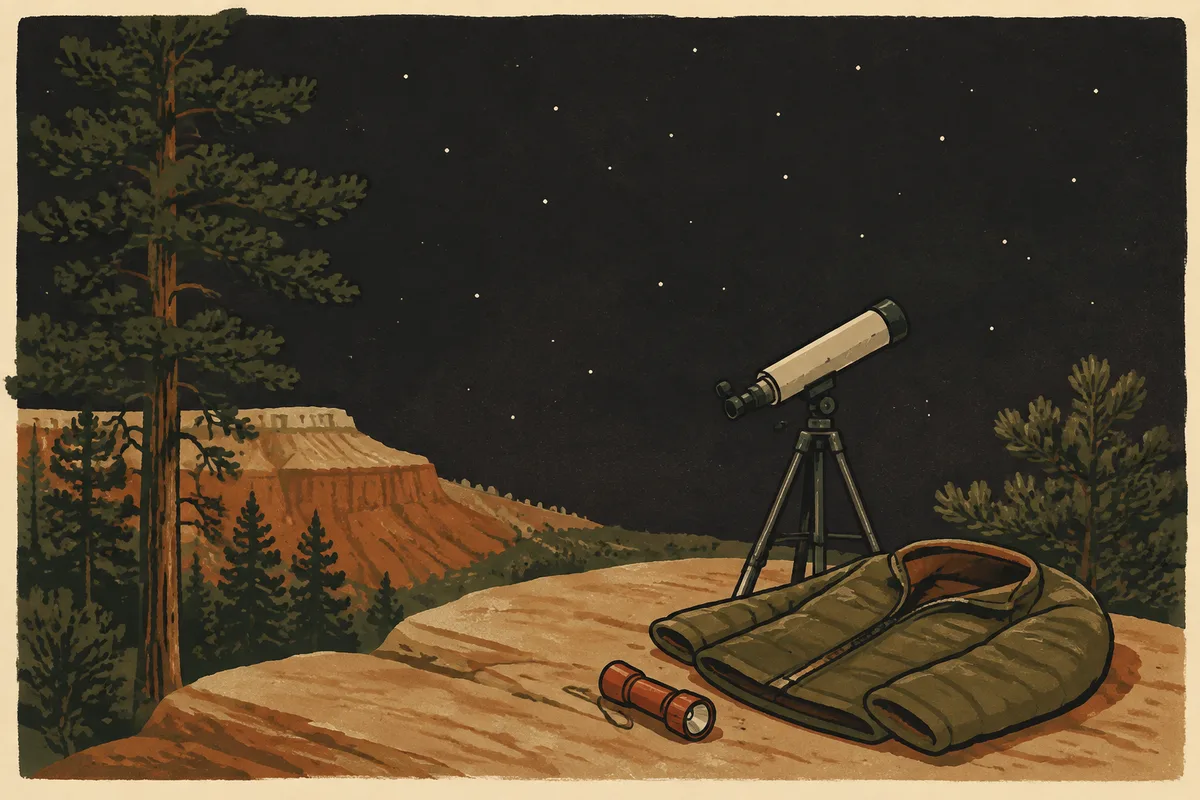
Cedar Breaks is an International Dark Sky Park, with high-elevation viewpoints reached by a seasonal road. Duck Creek is a nearby place to stay after an evening visit, about 20 to 30 minutes away in good driving conditions. Dark skies do not guarantee a clear view: clouds, the Moon, smoke and the season all affect what you can see. Check current ranger-program details if you want a guided evening.
Related guides
Sample itinerary
- Before choosing dates Compare moonrise and moonset with the hours you want to observe. Check seasonal road access and any program dates.
- During the day Review the latest forecast, have dinner and pack warm layers. Identify a permitted viewing location before dark.
- Evening Allow time to arrive safely, let your eyes adjust and keep lights low. Drive back carefully and watch for wildlife.
- Next morning Leave time for sleep before packing and driving home.
Before you drive: the Virgin River Gorge & Duck Creek, live
The two ADOT cameras bracketing the Virgin River Gorge — the one pinch point on the drive up — plus UDOT’s camera at the Duck Creek Village turnoff.
I-15 @ the Utah line / Milepost 28.1 (north end of the gorge)
SR-14 @ Duck Creek Village / Milepost 31.06
Planning details
Use these estimates as a starting point and check conditions for your dates.
Dark-sky destination
Cedar Breaks International Dark Sky Park
Access
SR-148 has seasonal winter closures
Conditions to check
Clouds, moonrise, moonset and temperature
What makes a useful viewing plan
A dark observing window
A bright Moon can reduce the visibility of faint stars. Look at when the Moon is above the horizon, as well as its phase.
A known viewing location
Choose an open, permitted place with safe access and parking. Arrive before dark if you do not know the area.
A nearby overnight
Staying in Duck Creek avoids continuing all the way to Las Vegas after observing. Still allow time for the mountain drive back.
A ranger program when offered
Programs can help you learn what you are seeing. Check the current calendar, location and attendance details rather than assuming a weekly schedule.
Before heading out after dark
Access, weather and suitable clothing matter as much as the moon phase.
Check the road
Confirm SR-148 and the chosen viewing area are open. Calendar dates alone do not establish whether the scenic road is accessible.
Review the evening forecast
Check clouds, wind and temperature at the rim. Have another plan if conditions are poor.
Pack warm layers
Bring a jacket, hat and other layers suited to the forecast. A red light can help preserve night vision; use it considerately.
Plan a safe return
Save directions and leave enough energy for the drive. Watch for wildlife and do not stop in the roadway to observe.
More Las Vegas trip guides
Explore related destinations and activities from a Duck Creek stay.
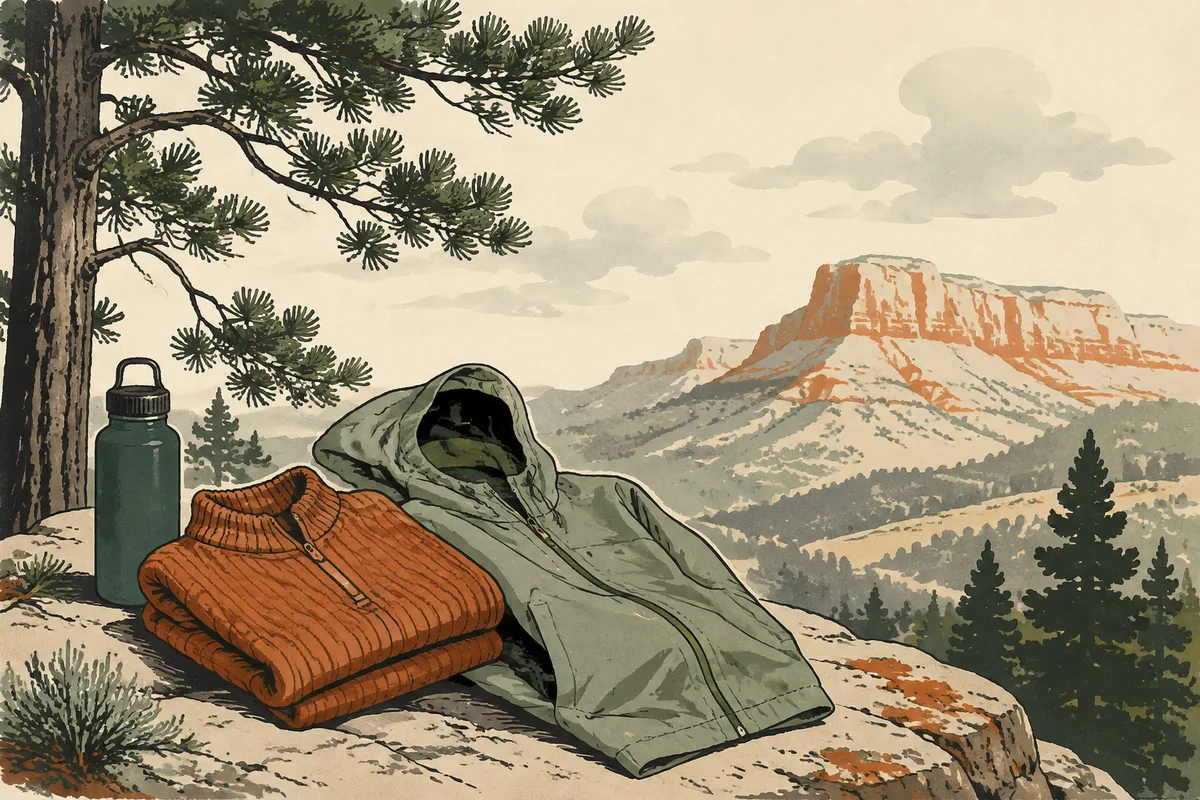
Cool Weather Getaway from Las Vegas
Plan for cooler mountain days, cold evenings and changing weather at higher elevations.
See guide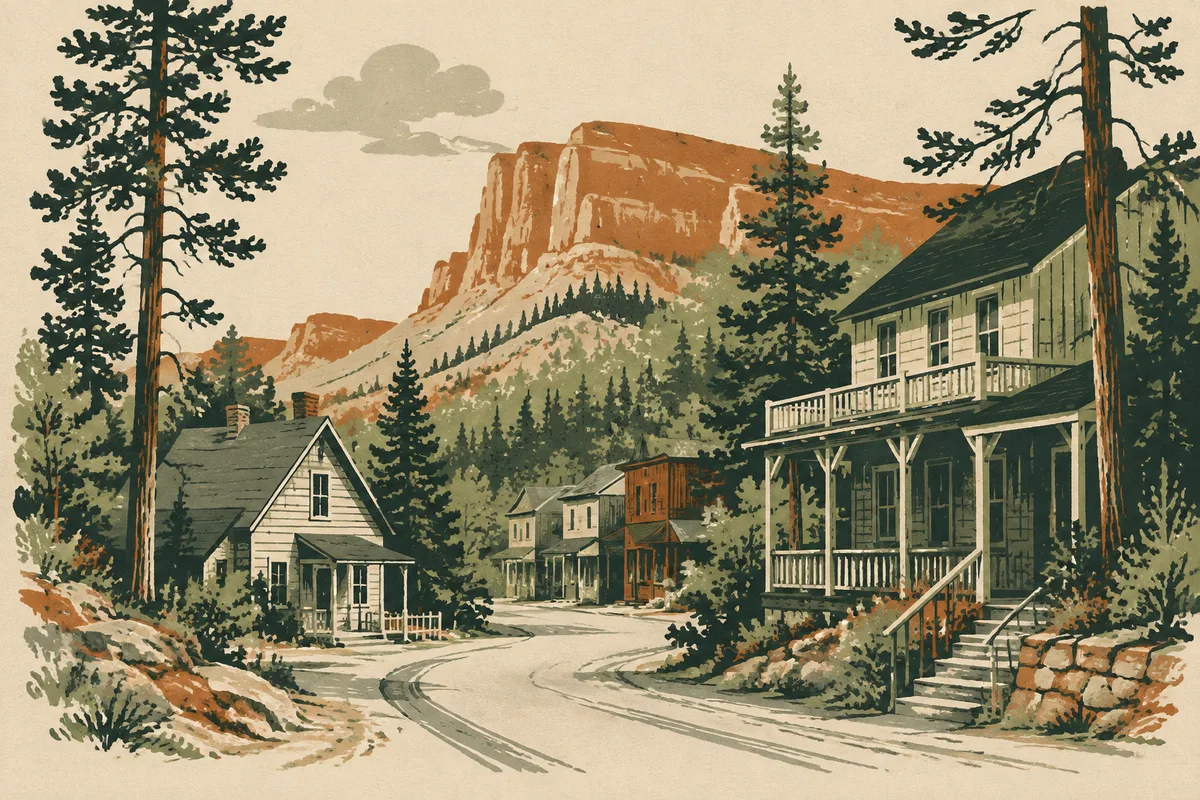
Mountain Town Near Las Vegas
What to expect from a small forest village, including supplies, dining and nearby outings.
See guide
Weekend Getaways from Las Vegas
A two-night plan with one full day for Bryce, Cedar Breaks, a lake visit or a trail ride.
See guideOfficial planning sources
Check these before you go
Use the official sources below for current conditions and visitor requirements.
nps.gov
Cedar Breaks dark-sky viewing
Official dark-sky guidance for Cedar Breaks.
Visit sitenps.gov
Cedar Breaks current conditions
Road, weather, and seasonal access details.
Visit sitenps.gov
Cedar Breaks elevation and safety notes
Official altitude and temperature safety guidance.
Visit siteStargazing questions
What to check before building the trip around a night outside.
Will I see the Milky Way?
Visibility depends on the season, time, Moon and weather. A dark-sky designation does not guarantee a particular view on your visit.
Do I need a telescope?
No. Many stars and broad sky features can be enjoyed without one. Check current program details if you want an organized observing session.
Can I visit in winter?
The Cedar Breaks scenic road closes seasonally. Check official access guidance; do not plan a normal drive to the rim when the road is closed.
How cold should I prepare for?
Use the forecast for Cedar Breaks at your observing time. The exposed high rim can be cold and windy even during a summer trip.
Choose your stay
Choose an overnight for your skywatching trip
Check access and viewing conditions, then compare Duck Creek rooms and cabins.