预订 预订住宿
直接预订立减 10%,代码 立减 10% · 12月1日 前入住 · 适用于 2026年12月1日 前入住
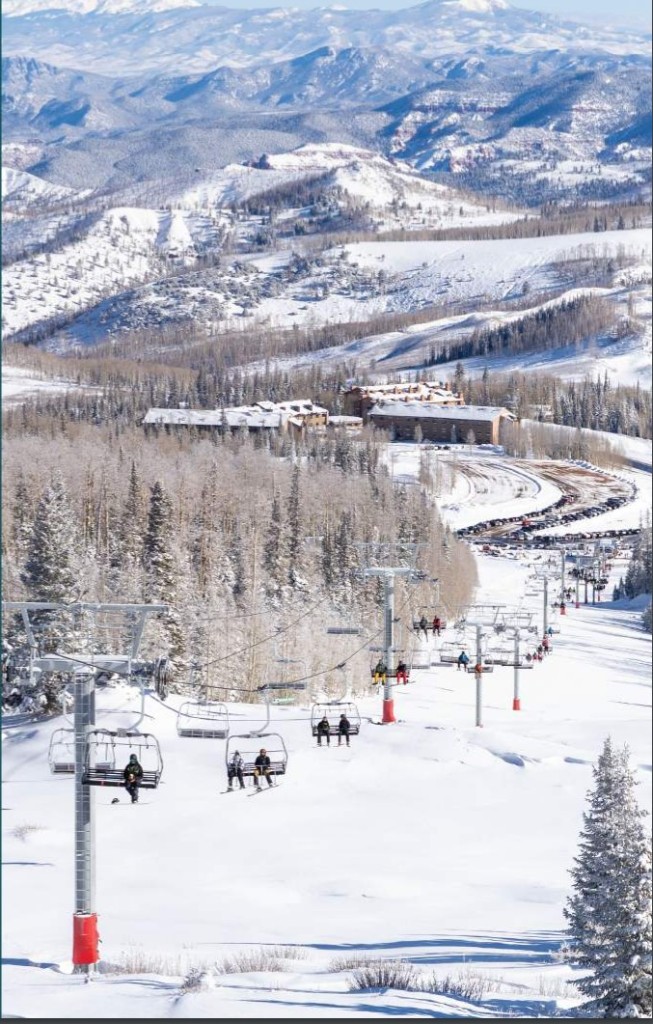
Fresh snow on the pines and runs at Brian Head, Utah

Duck Creek 指南

Brian Head Snow Report & Weather

Live depth from the federal snow station on the mountain, the NWS forecast for the ridge, and fifteen winters of context so you know whether this week is normal.

On the mountain right now

Typical values for this date from fifteen winters of station data; live readings load in a moment.

Snow depth at 10,040 ft

…cm

NRCS SNOTEL Brian Head, on the mountain above the Giant Steps base

Temperature at the sensor

…°C

Hourly reading, always shown with its time

Typical depth for today

…cm

Median of 15 seasons, with the middle-half range

Depth and water content from NRCS SNOTEL site 1154; forecast from the National Weather Service. The resort's own report adds 24-hour snowfall, base depth at three stakes and lifts open: brianhead.com conditions.

速览

Station
NRCS SNOTEL 1154 "Brian Head", 10,040 ft, about 300 ft above the Giant Steps base
Median peak
64 in around March 18; 24 in or more from December 18 to May 2
Deepest season
108 in on April 3, winter 2022-23
Thinnest season
38 in peak, winter 2013-14
Forecast point
NWS grid SLC/49,42 at about 10,200 ft, zone UTZ125
Resort average
360 in of snowfall a season (resort figure); opening day Friday, November 6, 2026

Resort snow reports tell you what fell in the last 24 hours. This page tells you what is on the ground, what the air is doing up there, and what the same date looked like in fifteen other winters. The depth and temperature come from the NRCS SNOTEL station that sits on the mountain itself, roughly three hundred feet above the Giant Steps base, and refresh every time you open the page. The forecast is the National Weather Service grid cell for Brian Head, which sits at about 10,200 feet, so it is a forecast for the slopes rather than for the valley.

A good snow day at Brian Head is a hard drive day on the road to it. Before you commit to the winter drive from Duck Creek (an hour and a quarter by Mammoth Creek Road when it is passable, 1 hr 35 by Cedar City when it is not), check the live SR-143 cameras and the drive page, which explains the Parowan Canyon traction law.

How to read the two reports together

The resort publishes a 24-hour, 48-hour and 7-day snowfall total, a base depth, and the number of lifts and trails open, measured at three stakes: the Giant Steps base at 9,800 ft, the summit at 11,000 ft and a snow stake at 10,000 ft. Those are the right numbers for "was it a powder day" and "what is open". Snowfall is new snow before it settles, and it is read by people who want you to come, which is fine, but it is not the same thing as depth.

The SNOTEL station measures settled depth and the water locked in it, every day, with no marketing department. Its depth will always read lower than a fresh snowfall total because new snow compacts within hours. Use the resort for what fell overnight and what is open, use the station for whether the pack is real, and use the forecast for whether the drive home will be a problem.

The one trap: the station’s daily value is the midnight reading. A storm that started at breakfast will show in tomorrow’s number, not today’s. The hourly temperature above carries its reading time for the same reason.

When there is actually snow on the mountain

Three things come out of the 15-season record. Opening weekend is early: the median depth at the station on November 6 is a few inches, so opening day is a snowmaking achievement rather than a natural one, and early-season terrain is limited. The pack does not get genuinely deep until January. And it tops out in the middle of March, when a median year has about 50 inches on the ground; seasons peak on different dates, so the median season’s own high-water mark is higher, 64 inches, reached around March 18. Then it drops away fast. The median season holds 24 inches or more for 132 days, from about December 18 to about May 2.

Snow depth through the season at the Brian Head SNOTEL station, 10,040 feet Fifteen seasons of daily snow depth. The median depth around opening weekend in early November is about 3 inches; it reaches about 30 inches in early January, peaks near 50 inches in the middle of March, and returns to bare ground in the middle of May. The deepest day ever recorded at the station was 108 inches in 2023; the thinnest season peaked at 38 inches in 2014. 20" 40" 60" 80" 100" OctNovDecJanFebMarAprMayJun Opening day, Nov 6 median depth 3" Mid-March: 50" in a median year NRCS SNOTEL 1154:UT:SNTL, water years 2012–2026
  • Median depth
  • Middle half of seasons
  • Deepest day on record for that date
Fifteen seasons of daily snow depth at the station on the mountain, stacked on one season. The band is the middle half of those years.

Season to season, the peak has ranged from 38 inches (winter 2013-14) to 108 inches (winter 2022-23). A thin peak and a short season usually arrive together, so a poor year is poor in both depth and length. Last winter, 2025-26, peaked at 60 inches on February 20 and held 24 inches for 72 days. If your trip has to be a ski trip, February and the first half of March are the weeks that have held up best across the record.

Peak snow depth by season at the Brian Head SNOTEL station One bar per winter from 2012 to 2026, showing the deepest snow on the ground that season, with a line marking how many days the pack held at least 24 inches. The median peak is 64 inches and the median season holds 24 inches for 132 days, but the range runs from 38 inches in 2014 to 108 inches in 2023. 30" 60" 90" 120" 50 d100 d150 d200 d median peak 64" '12 '13 '14 '15 '16 '17 '18 '19 '20 '21 '22 '23 '24 '25 '26 Season labelled by the year it ends — ’23 is the winter of 2022-23.
  • Deepest snow on the ground that season
  • Days holding 24 inches or more
How much one winter differs from the next at 10,040 ft. 2023 was nearly three times the snowpack of 2014.

Does Brian Head have snow in …

The mid-month median at the station, the middle-half range across fifteen winters, and the deepest day ever recorded in that month. Lifts need less than this to run, because the resort makes snow on its core runs; tubing needs more.

Snow depth at Brian Head by month, SNOTEL 1154, inches
Month Mid-month median Middle half of years Deepest day on record
November 8 in 1 to 11 in 24 in
December 20 in 15 to 25 in 41 in
January 32 in 24 to 38 in 62 in
February 46 in 32 to 52 in 74 in
March 49 in 42 to 57 in 98 in
April 41 in 25 to 55 in 98 in
May 6 in 0 to 29 in 61 in

Medians are the value at the weekly point nearest the 15th; the record column is the deepest single day in that month across water years 2012 to 2026. Convert at 2.54 cm per inch.

Why this station and not the resort stakes

NRCS SNOTEL site 1154 was installed on Brian Head in 2011 and has recorded snow depth, snow water equivalent and temperature every day since, as part of the federal network that forecasts the West’s water supply. It sits at 10,040 ft, between the resort’s base stake and its summit stake, on the same mountain. It is public domain, keyless and reachable from a browser, which is how this page stays live without anyone at the inn updating it.

The village in Duck Creek has its own version of this on the Duck Creek snow report, which reads the two stations that bracket the village at 7,800 and 9,830 ft and carries a 47-year archive. Comparing the two is the honest way to answer “is there more snow at Brian Head than Duck Creek”: usually yes, by a lot, because the station is 1,600 feet higher.

What that depth means lift by lift

October 2026

为什么信任这份指南

Depth, water content and sensor temperature are fetched live in your browser from the NRCS AWDB API for station 1154; the forecast and alerts come from api.weather.gov for the Brian Head grid point. The curve and season bars are computed from the station’s complete daily record for water years 2012 to 2026 and refreshed each summer. Resort snowfall totals, base depths and lift counts are the resort’s own and are linked, not copied.

Brian Head snow questions

Answered from the station record rather than the brochure.

Is there snow at Brian Head right now?

The live strip at the top of this page shows the settled depth at the NRCS station on the mountain as of its last daily reading, next to the typical depth for today across fifteen winters. If the live number is blank, the station feed is down and the typical value is the best guide.

Does Brian Head have snow in November?

Some, and the resort makes the rest. The mid-November median at the station is 8 inches, with the middle half of years between 1 and 11. Opening day has been as early as November 6 (2026), on machine-made snow over a thin natural base, so expect limited terrain and no tubing until later.

Does Brian Head have snow in December?

Usually yes by the holidays. The mid-December median is 20 inches and the pack first reaches 24 inches around December 18 in a median year. Christmas week has had thin years; check the live number before promising kids a tubing day.

Does Brian Head have snow in March and April?

March is the deepest month: the median peak of 64 inches lands around March 18, and mid-March medians sit near 49 inches. April still holds 41 inches at mid-month in a median year, and the resort has run into mid April most seasons; the pack then collapses in the first two weeks of May.

How much snow does Brian Head get a year?

The resort’s published average is 360 inches of snowfall. The deepest settled pack the station has measured is 108 inches (April 3, winter 2022-23) and the thinnest peak was 38 inches. Snowfall and depth are different numbers; depth is what you ski on.

Where is the official Brian Head snow report?

On brianhead.com under Weather, Conditions and Webcams: 24-hour, 48-hour and 7-day snowfall, base depth at three stakes, lifts and trails open, and the resort webcams. This page links to it rather than copying it, and adds the federal station data and the NWS forecast the resort page does not show.

What is the weather forecast for Brian Head?

The forecast on this page is the National Weather Service grid point for Brian Head at about 10,200 feet, refreshed each time you load it, with any active NWS alerts for the zone shown above the tiles. It is a mountain forecast; Cedar City in the valley below is routinely 20 degrees warmer.

Watching for a Brian Head Powder Day?

Stay 61 miles down the mountain at Duck Creek Village Inn, or in the condo we co-host across from the Giant Steps lift. Rooms fill fast after a storm.

直订立减 10%,代码 · 适用于 2026年12月1日 前入住 直订最优价 · 现在预订,之后付款

致电我们 · 435-990-5488