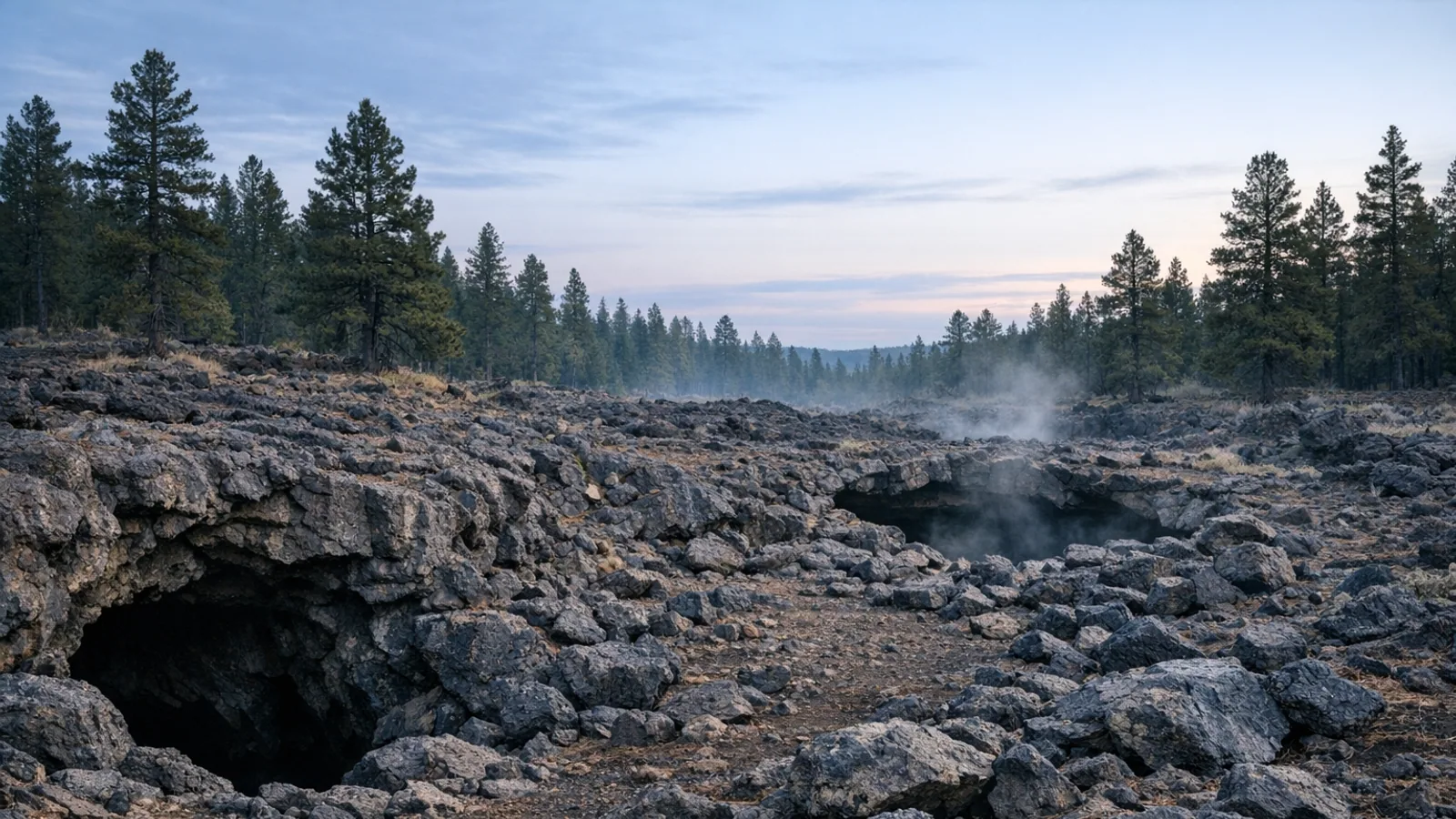
Bowers Cave, also called Bower Cave, is a short lava tube near Duck Creek Village. This guide covers the seasonal closure, the ladder entry, what official sources confirm, and how to pair the stop with a Cedar Breaks day.
If you are searching for Bowers Cave Utah, the first thing to know is that the name varies. The Forest Service closure page uses “Bower Cave” in some places and “Bowers Caves” in others, while the USGS hydrogeology report calls it “Bowers Cave.” They are pointing to the same lava-tube stop in the Markagunt Plateau cave zone east of Duck Creek.
What Bowers Cave is
USGS says Bowers Cave is a lava tube in the Bowers Flat area with almost 1,000 feet of passage at about 8,250 feet elevation. That makes it the shorter neighbor to Mammoth Cave, not a long guided cave or lit show cave. Think dark basalt tube, rough footing, and a stop that works better for curious cave visitors than for anyone expecting handrails and interpretation.
The version that helps most DCVI guests is a short cave morning, not a whole-day mission. Start from the Duck Creek guide, treat the cave as one anchor stop, and leave room for a second scenic move later in the day.
Is Bowers Cave open right now?
As of April 3, 2026, the current Dixie National Forest closure page says Mammoth Cave and Bower Cave close from October 1 through April 30 each year to protect Townsend’s big-eared bats during winter hibernation. The same alert page is still posted through April 5, 2026, which is another reason to recheck the Forest Service alert before you drive up.
That means this is still a planning-week post, not a “go this afternoon” post. If you are building a late-spring or summer Duck Creek trip, keep Bowers in the maybe list for after May begins and confirm the latest district alert the day before you go.
What the entry is like
From the parking area, it is only about a 30-yard walk to the cave opening. Entry is short but still more adventurous than it looks, with about a 12-foot ladder descent into the lava tube. As of April 4, 2026, Bowers Cave is still closed until May to protect seasonal bat activity, so keep this as a later-spring plan and recheck before you go.
That matters more than the passage length. A short cave can still feel like a big commitment if the entry gives you pause. If your group has young kids, anyone uneasy with ladders, or anyone who dislikes dark enclosed spaces, the caves guide is a better planning hub than committing to Bowers as the main event.
What official sources do and do not confirm
The Forest Service closure order gives the cleanest official access clue: it lists Bower Cave off NFSR 230 and Mammoth Cave off NFSR 950. The Forest Service’s regional caves page gives turn-by-turn directions for Mammoth Cave and the nearby Ice Cave, but not the same detailed route writeup for Bowers.
My read from those two sources is that Bowers belongs in the Mammoth cave zone east of Duck Creek, but it is smart to trust current district signage and alerts over any old forum pin or cached map. That is an inference from the official pages, not a direct quoted route description.
Getting to Bowers Cave from Duck Creek Village
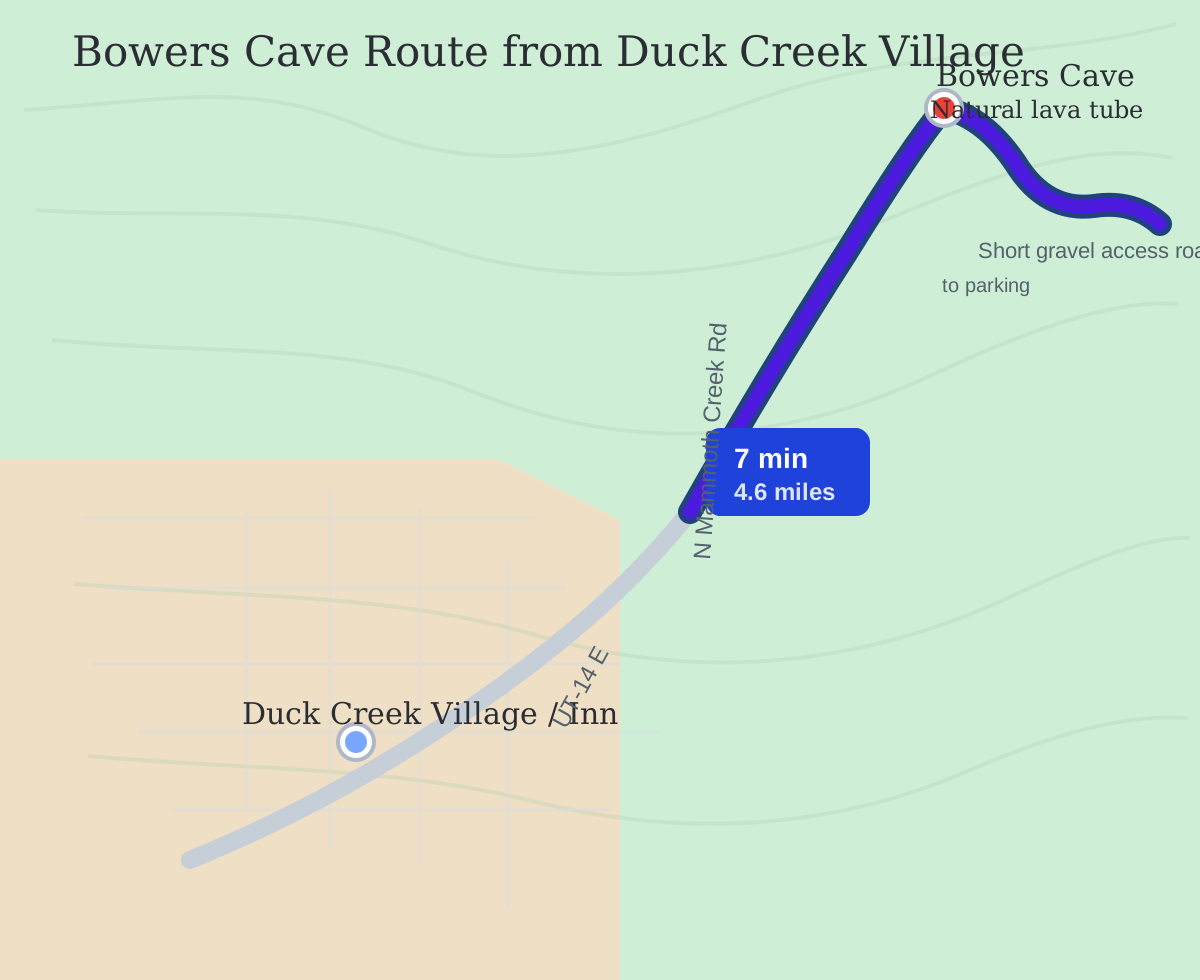
Bowers Cave is about 4.6 miles from Duck Creek Village and Duck Creek Village Inn, which makes it roughly a 7-minute drive when the road is clear. The usual approach follows UT-14 E to N Mammoth Creek Rd, then finishes on a short gravel access road that leads into the parking pullout.
What to bring if you go in open season
Keep the gear list simple:
- Headlamp, plus a backup light
- Shoes you do not mind muddying up
- A warm layer even on a hot day
- Gloves if you like more grip on rough rock or metal entry points
- A clean change of clothes in the car if you are planning dinner after
A lava tube stop usually sounds easy on paper and messier in real life. If your day also includes Cedar Breaks or another rim stop, dry shoes and one spare layer make the rest of the afternoon much better.
A better pairing than forcing a full cave day
Bowers works best as one part of a plateau day. One good version is cave in the morning, village reset at midday, then a Cedar Breaks overlook in the afternoon if the roads and monument access line up.
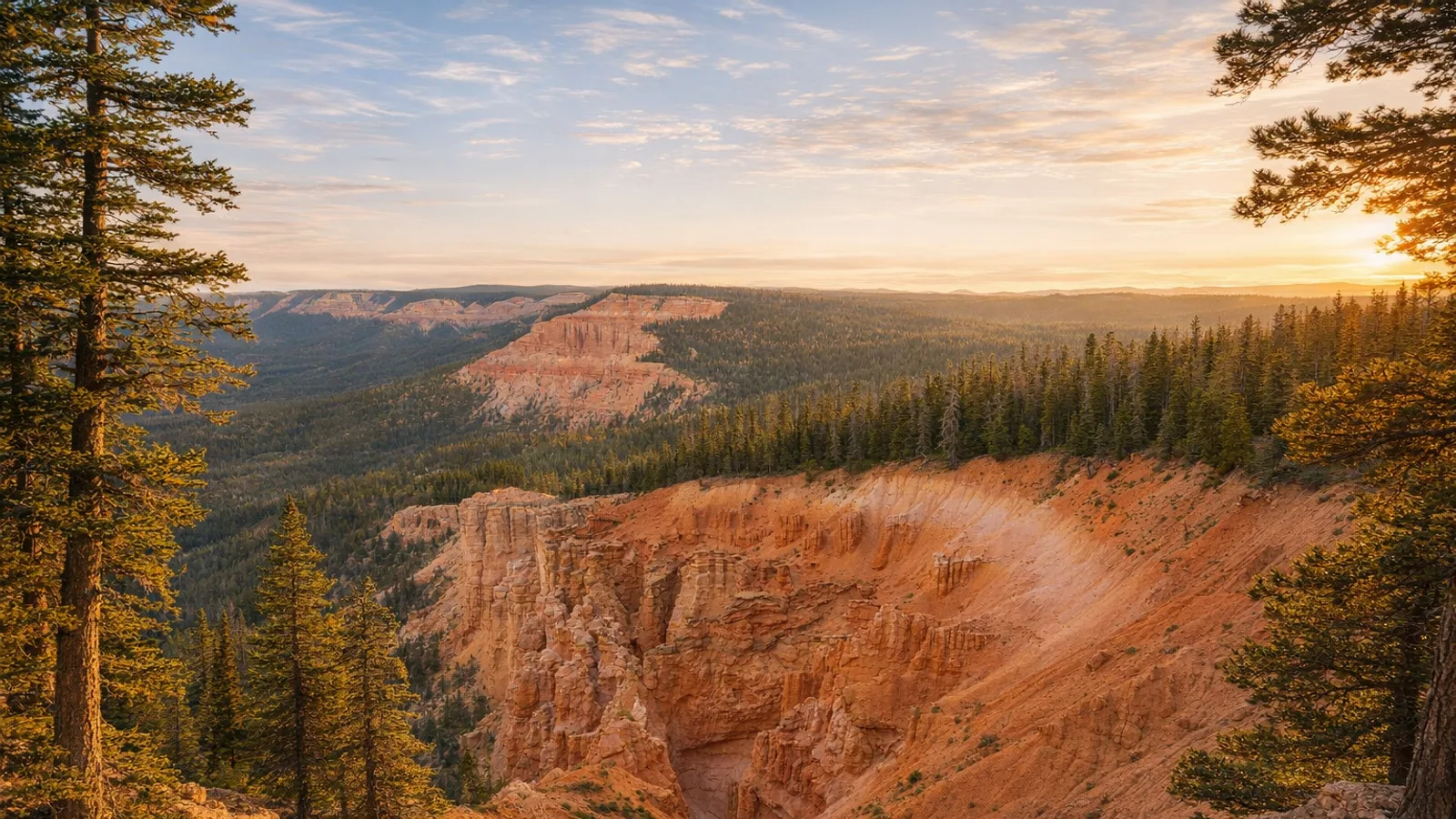
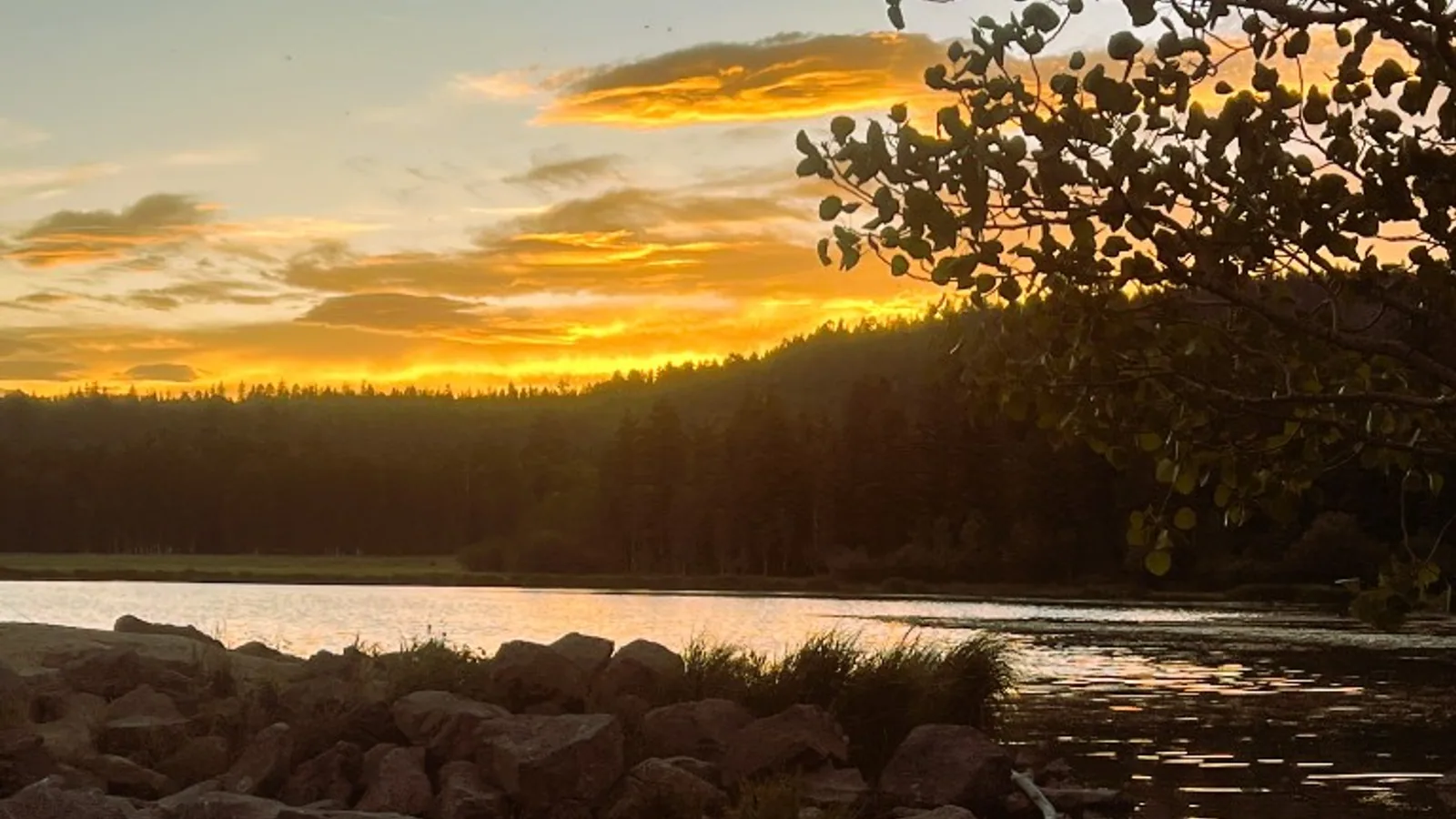
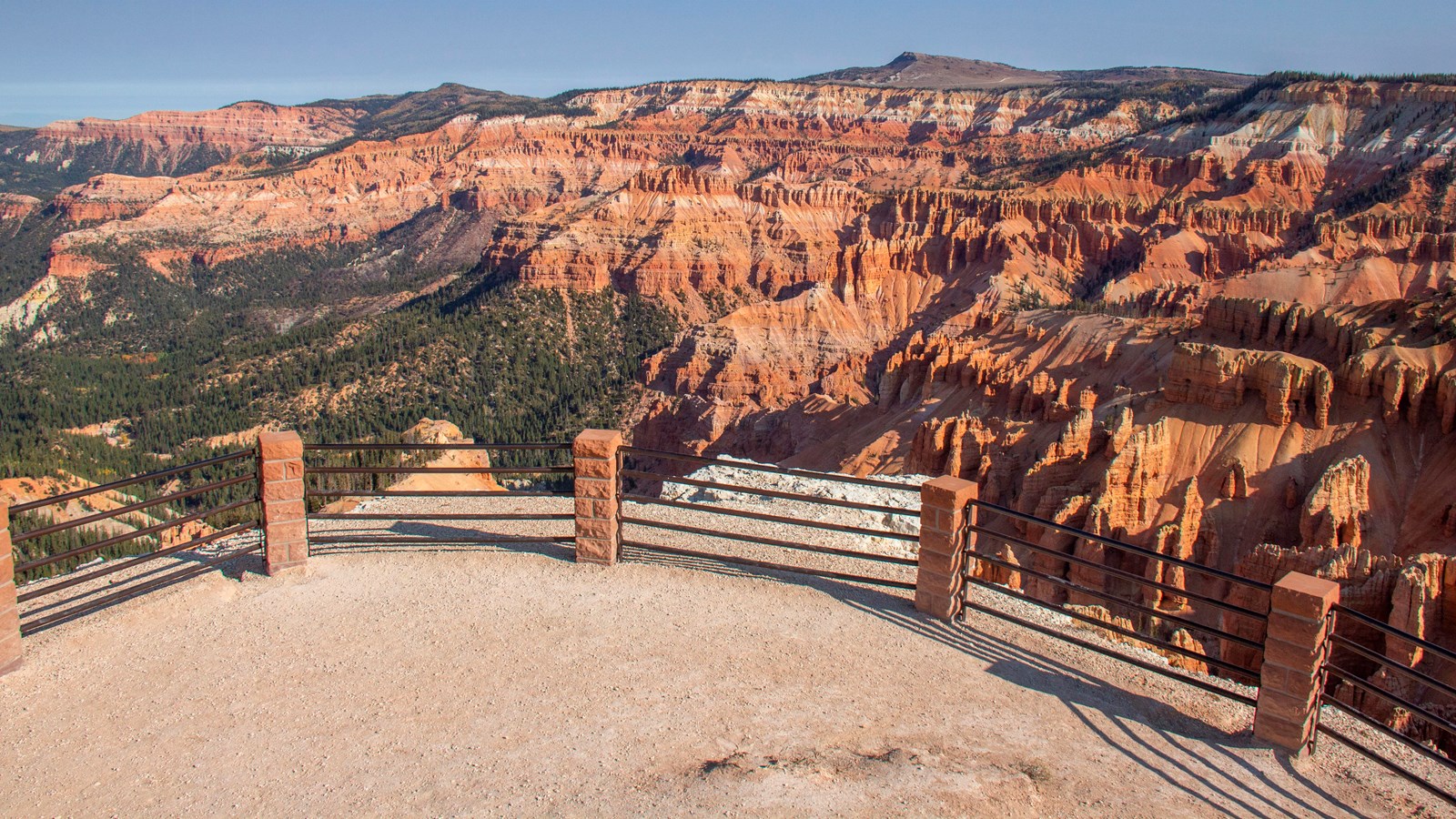
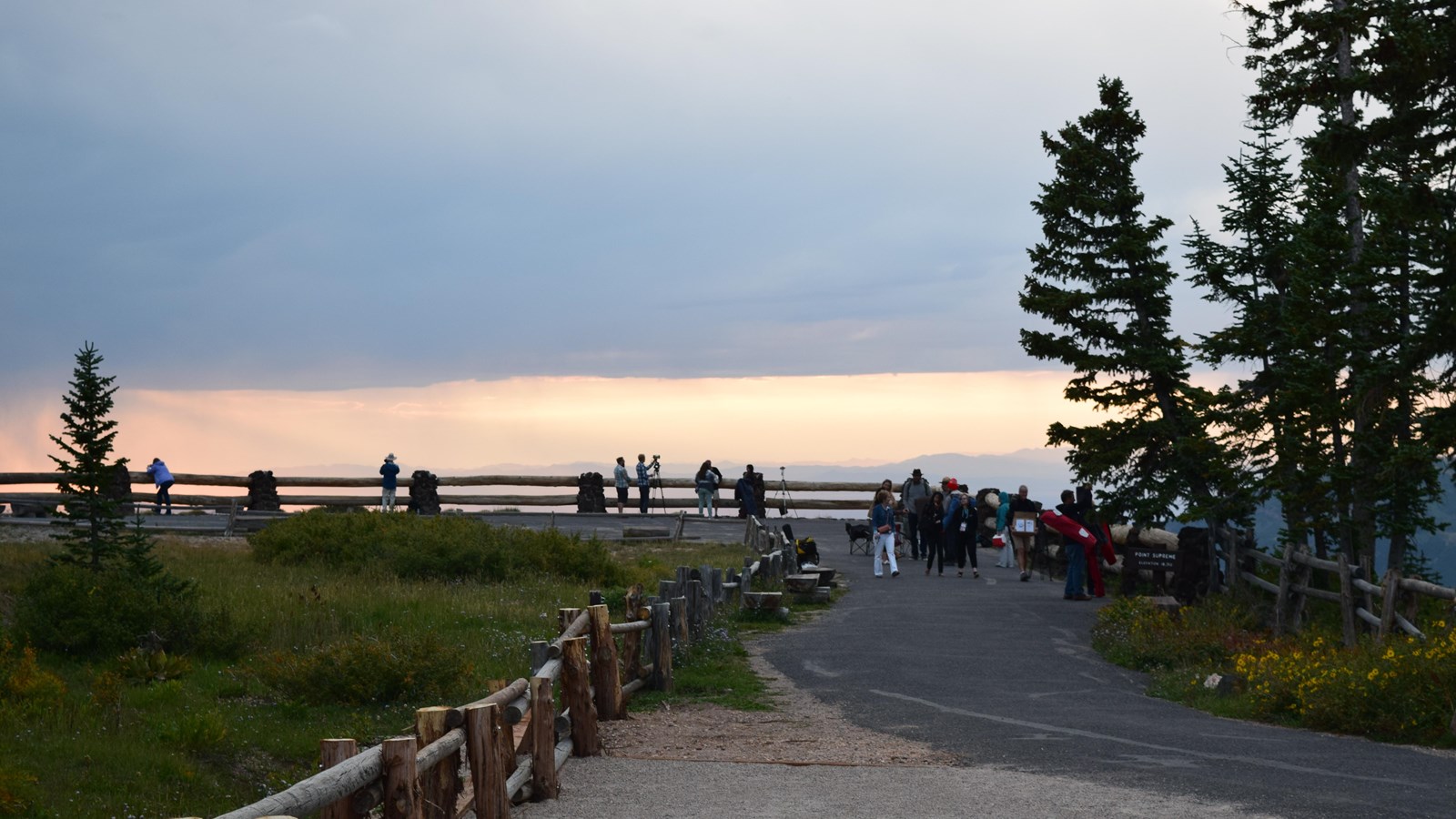
These are official NPS photos from nearby Cedar Breaks National Monument, not from Bowers Cave itself, but they show the kind of second-stop scenery that pairs well with a short cave outing:
If that is more your speed, a room in the village keeps the day simple. You can do the cave zone in the cooler morning, pivot to the monument or a slower lunch, and still be back without turning the plan into a long relocation day. See rooms.
Should Bowers Cave be your main reason to stay in Duck Creek?
Not on its own. It is a strong add-on, not the whole argument.
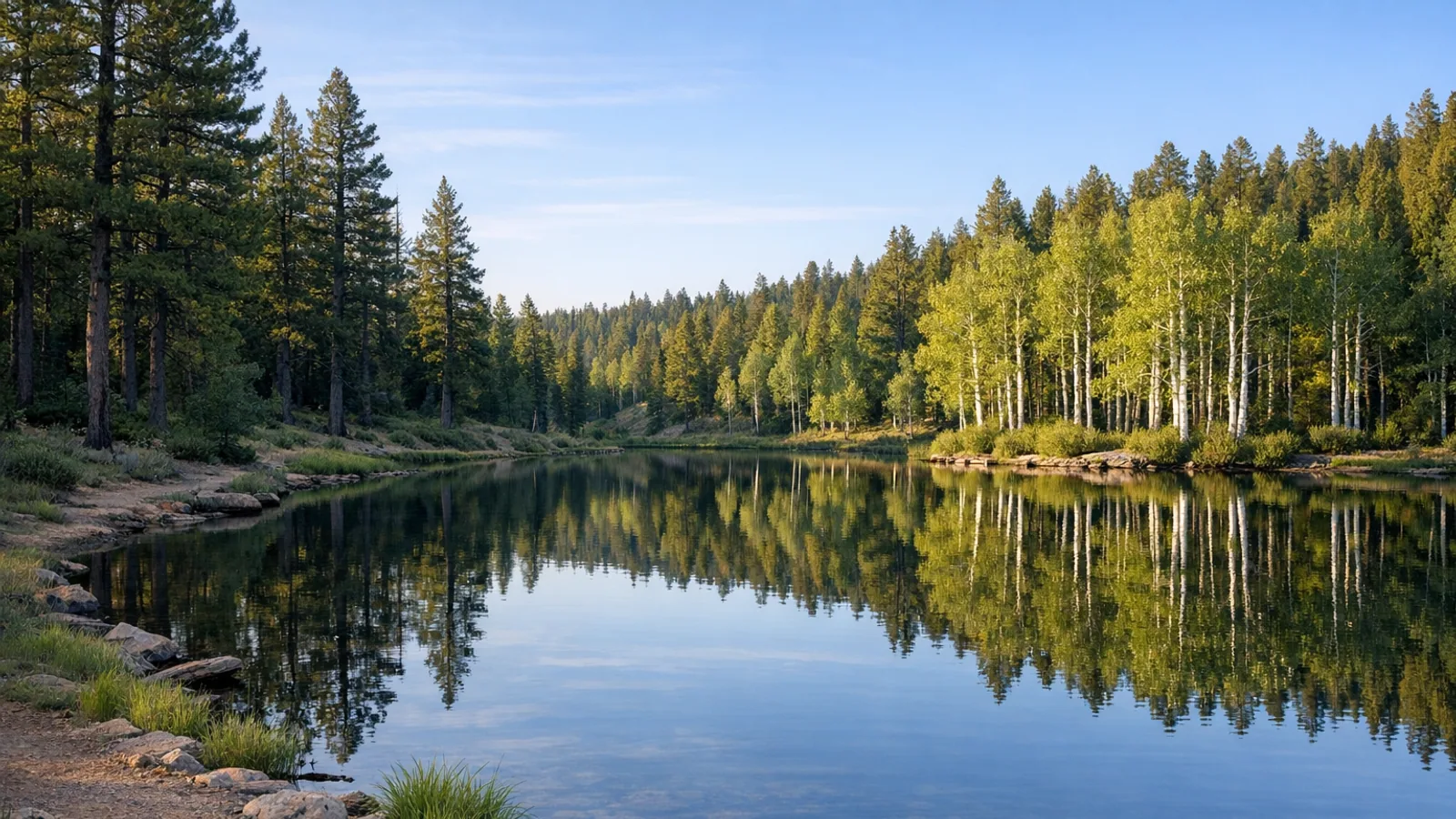
The stronger reason to stay here is that Duck Creek lets you stack different kinds of mountain time into one trip: a lava tube like Bowers or Mammoth Cave, a lake stop, a Cedar Breaks rim view, then a quiet night back in the pines. That is a better use of the plateau than overcommitting to one cave and one hole in the ground.
If you want a simple way to plan the trip around it, start with Top 10 Things to Do in Duck Creek Village, Utah and keep Bowers as one flexible piece of the day, not the whole day.