June
Good early-season window once higher roads and overlooks are open; Milky Way viewing usually happens later at night.
Things to Do
Dark mountain skies about 30 minutes from Duck Creek Village Inn
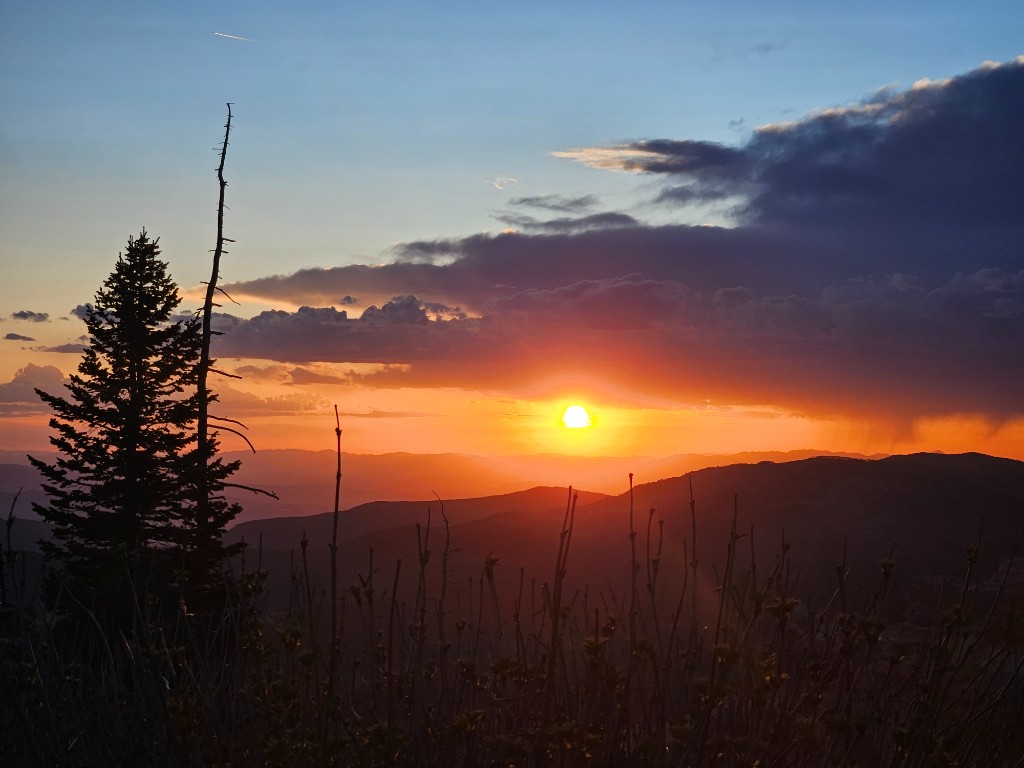
Cedar Breaks National Monument is a designated International Dark Sky Park, and it is one of the easiest high-country night-sky outings from Duck Creek Village. Drive up for an evening viewing session near sunset, give your eyes time to adjust, and build the night around moon phase, weather, and seasonal road access instead of assuming every night will be the same.
The combination of high elevation, open rim views, dry mountain air, and distance from major city lights makes Cedar Breaks a strong place to see the Milky Way, constellations, and meteor showers when skies are clear. Ranger-led astronomy programs are seasonal and date-specific, so check the Cedar Breaks calendar before planning around a guided event.
Late spring through fall is the simplest window for road-based evening access. Winter can be beautiful, but it becomes a snow-access trip instead of a simple overlook drive.
Good early-season window once higher roads and overlooks are open; Milky Way viewing usually happens later at night.
Warmest summer nights, wildflowers by day, and seasonal ranger programs when they are on the calendar.
Strong month for dark-sky evenings and the Perseids meteor shower around mid-month.
Cooler nights, earlier Milky Way timing, and a calmer shoulder-season pace.
Fall color can pair with early darkness, but confirm SR-148, facilities, and monument access as weather changes.
~30 min from the inn
The main amphitheater overlook and the easiest first choice when the road is open. It gives broad southern and western sky views above the rim.
~35 min from the inn
A quieter road-based overlook when access is open, with broad horizons and a little more separation from the main visitor area.
At or near the inn
A good fallback when clouds, cold, or night driving make the Cedar Breaks outing less appealing. Stay away from direct lights and give your eyes time to adjust.
~15 min from the inn
A closer Highway 14 option for a shorter evening, especially if you want a simple stop after dinner.
Eat early in Duck Creek Village, drive toward Cedar Breaks around sunset, and let your eyes adjust for 20 to 30 minutes after you park. Most guests only need 60 to 90 minutes for a memorable night. Do not plan to sleep in your vehicle or camp at an overlook; overnight stays need to be in legal campgrounds or lodging.
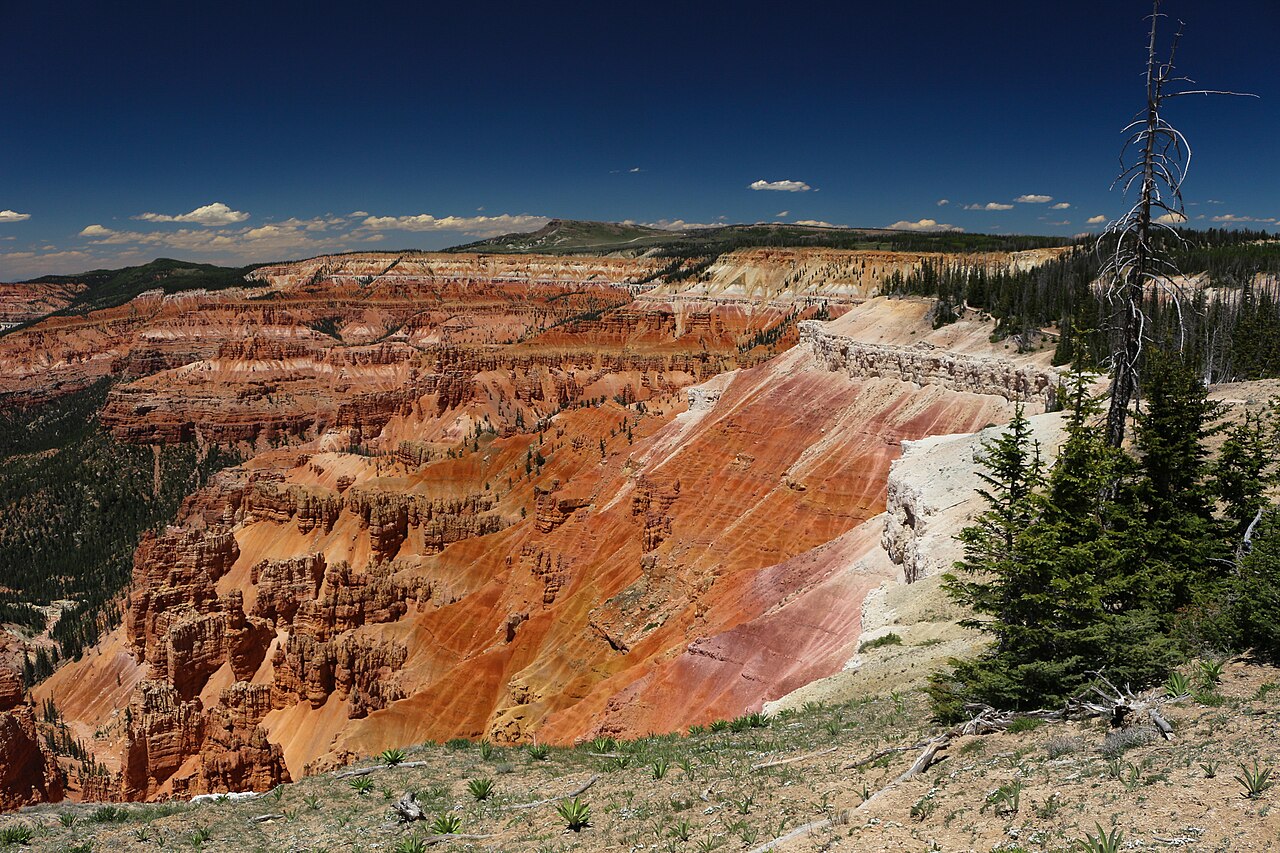
Overlooks, short trails, and a natural bridge into a dark-sky evening.
View guide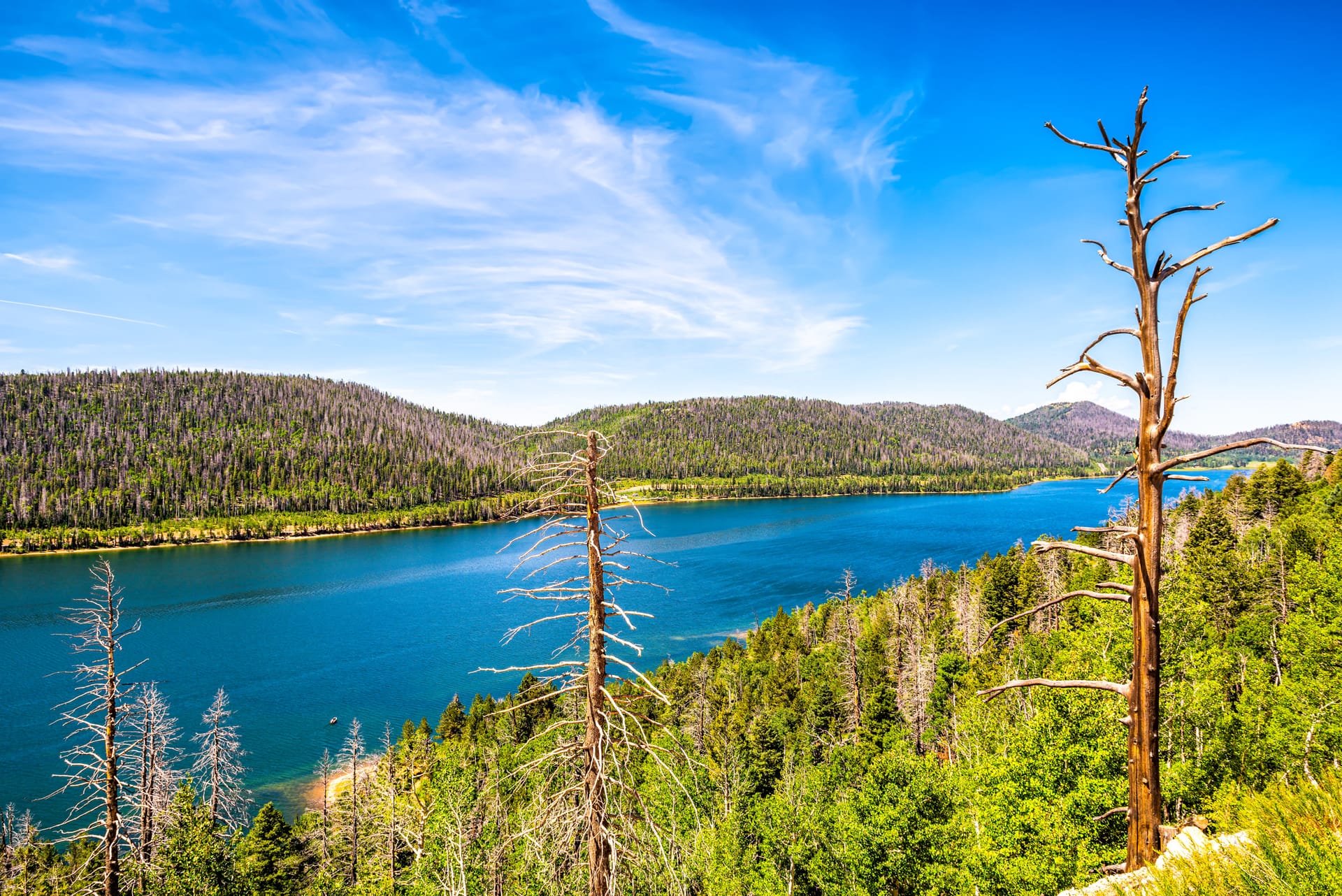
A close lake day before a quiet night under the stars.
View guide Turn the night outing into a full day with overlooks, trails, sunset, and sky time.
View guideMay 2026
Dark-sky planning depends on moon phase, weather, road access, facilities, and seasonal programming. Verify the final details with official sources before committing to a late-night drive.
Stay at Duck Creek Village Inn and plan a Cedar Breaks stargazing night from a comfortable mountain base.