Book Book Your Stay
Book direct & save 10%: code Save 10% · stays thru Dec 1 · stays through Dec 1, 2026
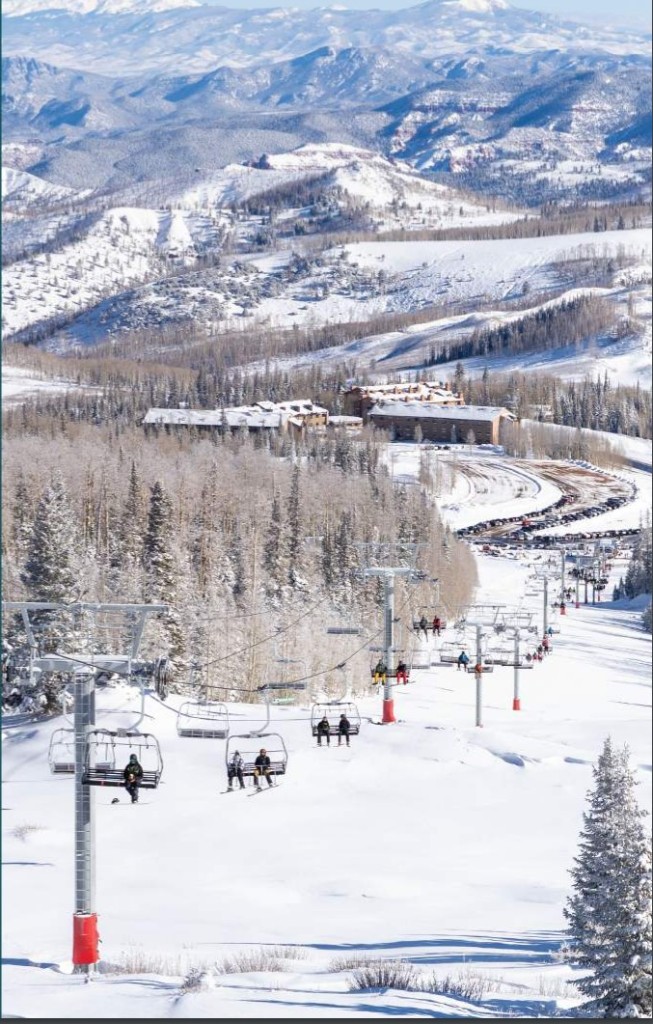
Brian Head ski slopes under fresh snow

Duck Creek Guide

Brian Head, Utah

Utah’s highest town, built around a ski hill. Skiing, snow tubing and summer chairlift days, 23.5 miles from Duck Creek Village Inn in summer and 61 miles once the Cedar Breaks road closes.

At a glance

Drive from Duck Creek
23.5 mi / 41 min in summer; in winter about 1 hr 15 by Mammoth Creek Road when it is passable, or 61.2 mi / 1 hr 35 min by Cedar City and Parowan
Elevation
Lifts 9,600 to 10,920 ft, town 9,800 ft, Brian Head Peak 11,307 ft
Resort size
8 chairlifts, 72 runs, 650+ acres across Giant Steps and Navajo
2026-27 opening day
Friday, November 6, 2026 (resort announcement, earliest in Utah)
Snow tubing
Giant Steps base, 1.5-hour sessions from about $25, ages 4+, tube included
Typical deep-snow window
24 in or more on the ground from about December 18 to May 2 (median of 15 seasons)

At a glance

The short version

Brian Head is a small resort town in Iron County, Utah, built around Brian Head Resort. At 9,800 feet it is the highest incorporated town in Utah; Brian Head Peak above it reaches 11,307 feet. The resort itself spans two connected mountains, Giant Steps and Navajo, with 8 chairlifts and 72 runs across more than 650 acres — the lowest lift base sits at 9,600 feet and the highest lift tops out at 10,920 — plus a snow tubing hill at the Giant Steps base. From Duck Creek Village Inn it is 23.5 miles and about 41 minutes in summer over Highway 148 through Cedar Breaks, and in winter, once that road closes, about 35 miles and 1 hr 15 by Mammoth Creek Road and Highway 143 when that road is passable, or 61 miles and about 1 hr 35 by the guaranteed loop through Cedar City and Parowan.

Quick facts

Drive from Duck Creek 23.5 mi / ~41 min in summer via Hwy 14 and Hwy 148; in winter ~35 mi / 1 hr 15 via Mammoth Creek Road when passable, or 61 mi / ~1 hr 35 via Cedar City and Parowan
Resort size 8 chairlifts, 72 runs, over 650 acres across Giant Steps and Navajo
Elevation Town 9,800 ft; lift bases 9,600–9,830 ft; highest lift 10,920 ft; Brian Head Peak 11,307 ft
2026-27 opening day Friday, November 6, 2026 (resort announcement)
Snow tubing Giant Steps base area, 1.5-hour sessions from about $25, ages 4 and up

Good to know

  • Snow tubing runs at the Giant Steps base area in 1.5-hour sessions with the tube included — no skiing required.
  • Brian Head Resort has announced Friday, November 6, 2026 as opening day for the 2026-27 winter season.
  • Navajo is the beginner-friendly side of the mountain, which is why Brian Head reads as a family hill rather than an expert one.
  • Winter closes Highway 148 through Cedar Breaks, so the 23.5-mile summer drive from Duck Creek becomes about 35 miles by Mammoth Creek Road and Highway 143 when that county road is passable, or a 61-mile loop through Cedar City and Parowan when it is not.
  • Snow depth measured on the mountain (NRCS SNOTEL site 1154, 10,040 ft) peaks in the middle of March and holds 24 inches or more from about December 18 to May 2 in a median season.
  • Summer keeps the lifts turning for downhill mountain biking, scenic chairlift rides, and a hike down the Vista Trail.

Brian Head is a ski town wrapped around a ski hill at the top of Parowan Canyon, and it is the nearest place to Duck Creek Village where you can buy a lift ticket, rent skis, or put a kid on a snow tube and let gravity do the rest. It opens earlier than any other resort in Utah, it is the only one in the south, and in summer the same chairlift keeps turning for mountain bikers and sightseers.

This page is the overview. Each part of a Brian Head day has its own page below: what the snow is doing right now, the mountain itself, tubing and the rink, the drive and the road, and summer. Everything is measured or sourced rather than repeated: routing engines and USGS elevation data for the drive, mapped lift geometry for the chairs, and the federal snow-telemetry station on the mountain for the snow. Resort dates, hours and prices are the one part that changes every season, and those are flagged as patterns rather than promises.

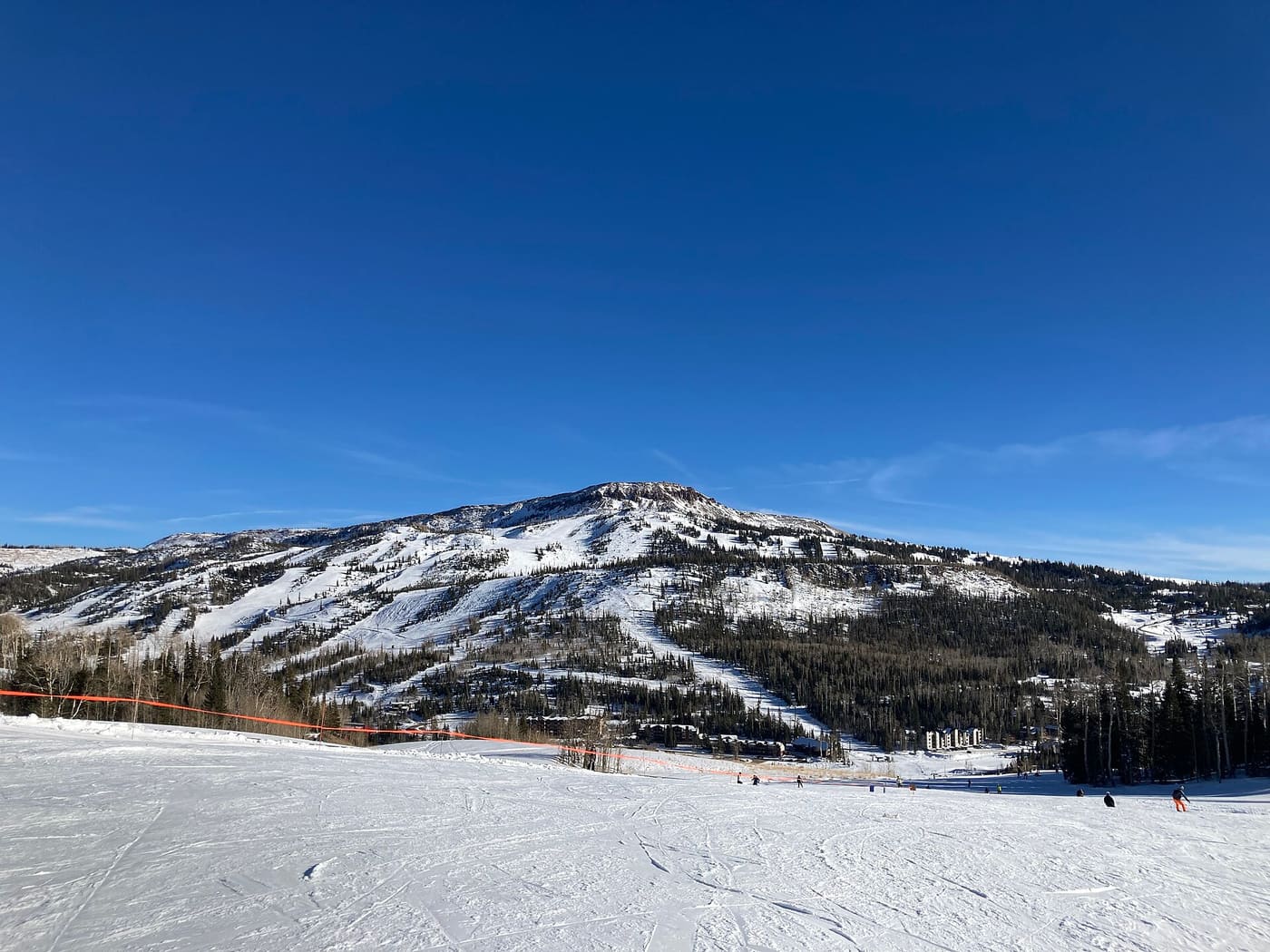
Brian Head Peak and the Giant Steps side of the resort seen across a groomed run on a clear December day
Brian Head Peak, 11,307 ft, seen across the resort from a run on the Navajo side. Everything in this photo sits above 9,600 feet. DarkNight0917 · CC BY-SA 4.0 · via Wikimedia Commons

Plan your Brian Head day

One page for each part of the trip, so you can read the part you need and skip the rest.

  • Stay across the street from the lift

    The two-bedroom, ground-floor condo we co-host with Suzie: about 630 ft from Giant Steps Lodge, sleeps 4, wood-burning fireplace, hot tub and sauna, dogs welcome. Books direct, no resort markup.

    We co-host it
  • Snow Report & Weather

    Live snow depth from the SNOTEL station on the mountain, the NWS forecast for Brian Head, and fifteen seasons of data on when the snow is actually deep

    Live now
  • Where to Stay

    The two-bedroom condo we co-host across the street from the Giant Steps lift, plus the honest trade-offs of sleeping in Brian Head, Duck Creek, Parowan or Cedar City

    Winter
  • Skiing & Snowboarding

    Eight chairlifts, 72 runs and nothing below 9,600 ft: terrain by lift, opening day, kids ski free, lift ticket patterns, night skiing and rentals

    Winter
  • Snow Tubing & Ice Skating

    Tubing sessions at the Giant Steps base with the tube included, ages 4 and up, hours and holiday blocks, sledding, and the outdoor rink in town

    Winter
  • Getting There & Road Conditions

    Drive times from Duck Creek, Cedar City, St. George, Las Vegas, Zion and Bryce, the winter route once Highway 148 closes, Parowan Canyon traction law, live SR-143 cams

    Winter
  • Summer at Brian Head

    Lift-served mountain biking, scenic chairlift rides, the Vista Trail, the Adventure Zone, and the drive to the CCC shelter on Brian Head Peak

    June to September
  • Live SR-143 road cams

    Five UDOT cameras from Parowan Canyon over the top to the Panguitch Lake side, with a 24-hour rewind, plus UDOT surface conditions and chain restrictions.

    Live now

Where to stay for Brian Head

Two honest options from the people who run both. The condo across the street from Giant Steps is the one to book if the trip is about first chair; Duck Creek Village Inn is the one if the trip is about the whole mountain, with Brian Head as one day of it. Every other kind of Brian Head lodging, and how to choose, is on the where-to-stay page.

This winter on the mountain

The number that matters is not the resort’s 360-inch average, it is how much is on the ground this week. The federal snow station on the mountain reports it every day, and the National Weather Service forecasts the grid cell it sits in.

On the mountain right now

Typical values for this date from fifteen winters of station data; live readings load in a moment.

Snow depth at 10,040 ft

…in

NRCS SNOTEL Brian Head, on the mountain above the Giant Steps base

Temperature at the sensor

…°F

Hourly reading, always shown with its time

Typical depth for today

…in

Median of 15 seasons, with the middle-half range

Full Brian Head snow report and forecast

The four elevations, because the internet cannot agree

Four numbers get quoted for how high Brian Head is and they all mean different things. Nothing at the resort is at 11,300 feet, and nothing on the mountain is below 9,600.

  • 9,600 ft Lowest lift base Navajo Express. Resort publishes 9,600; mapped terminal reads 9,629.
  • 9,800 ft Brian Head Town The highest incorporated town in Utah. Where you park, eat and sleep.
  • 10,920 ft Highest lift The Dunes. Three chairs top out above 10,800 ft, which is why April still skis.
  • 11,307 ft Brian Head Peak The bare summit above town, with the 1935 CCC shelter. Drive most of the way up in summer.

The drive, in one picture

In summer it is a short, spectacular hop over the Cedar Breaks rim: 23.5 miles and about 41 minutes. Around mid November the National Park Service gates Highway 148 for winter and the drive becomes 61.2 miles and about 1 hr 35 min, down to Cedar City, up the interstate to Parowan, and back up Parowan Canyon. The winter line on the map is the whole shape of the problem, and it is why Duck Creek guests treat Brian Head as a full day rather than an afternoon. There is a shorter way we usually take, Mammoth Creek Road north to Highway 143 and over the top, about 35 miles and an hour and a quarter, but that county road is plowed without guarantees and drifts shut after storms, so the drive page explains when to trust it.

The interactive map needs JavaScript. In summer the route is SR-14 west, SR-148 north through Cedar Breaks, then SR-143 into Brian Head. In winter the usual way is Mammoth Creek Road north to SR-143 and west over the top when that county road is passable; the guaranteed way is SR-14 down to Cedar City, I-15 north to Parowan, then SR-143 up Parowan Canyon.

  • Summer route, over Cedar Breaks
  • Winter when passable, Mammoth Creek Road (county road, not guaranteed)
  • Winter guaranteed, around by Parowan
  • Resort base area
  • Where the summer road closes
All three drives from the inn to the Giant Steps base, on real road geometry. The dashed line is Mammoth Creek Road, our usual winter way when it is passable.

Winter beyond the lifts

Snowmobiling is the big one, and it is the activity that connects Brian Head back to Duck Creek: the Cedar Mountain snowmobile complex covers the plateau between the two towns. Our snowmobile guide covers the groomed trails from our side, grooming, rentals in the village, and the rules on Dixie National Forest land.

Cedar Breaks National Monument becomes a winter destination in its own right once Highway 148 closes. Rangers lead free guided snowshoe tours on Fridays and Saturdays from the first weekend of January, snowshoes and poles included, meeting at the North View visitor contact station on the Brian Head side; the $25 vehicle fee still applies and tours depend on snowpack. From Duck Creek the plowed lot at the Highway 14 junction puts Point Supreme 3.5 miles away on skis or snowshoes. Our Cedar Breaks guide has the detail.

In town, Brian Head Ice runs an outdoor rink with rentals through the heart of winter, and the resort lists ice skating, snowshoeing and spa days among its storm-day options. The tubing and skating page has what we know about hours.

A short history, because the dates surprise people

The stone shelter on the summit went up in 1935, and it was built by Camp F-16, the Civilian Conservation Corps camp stationed at Duck Creek. The hut people photograph at 11,307 feet was, in a real sense, built by our neighbours.

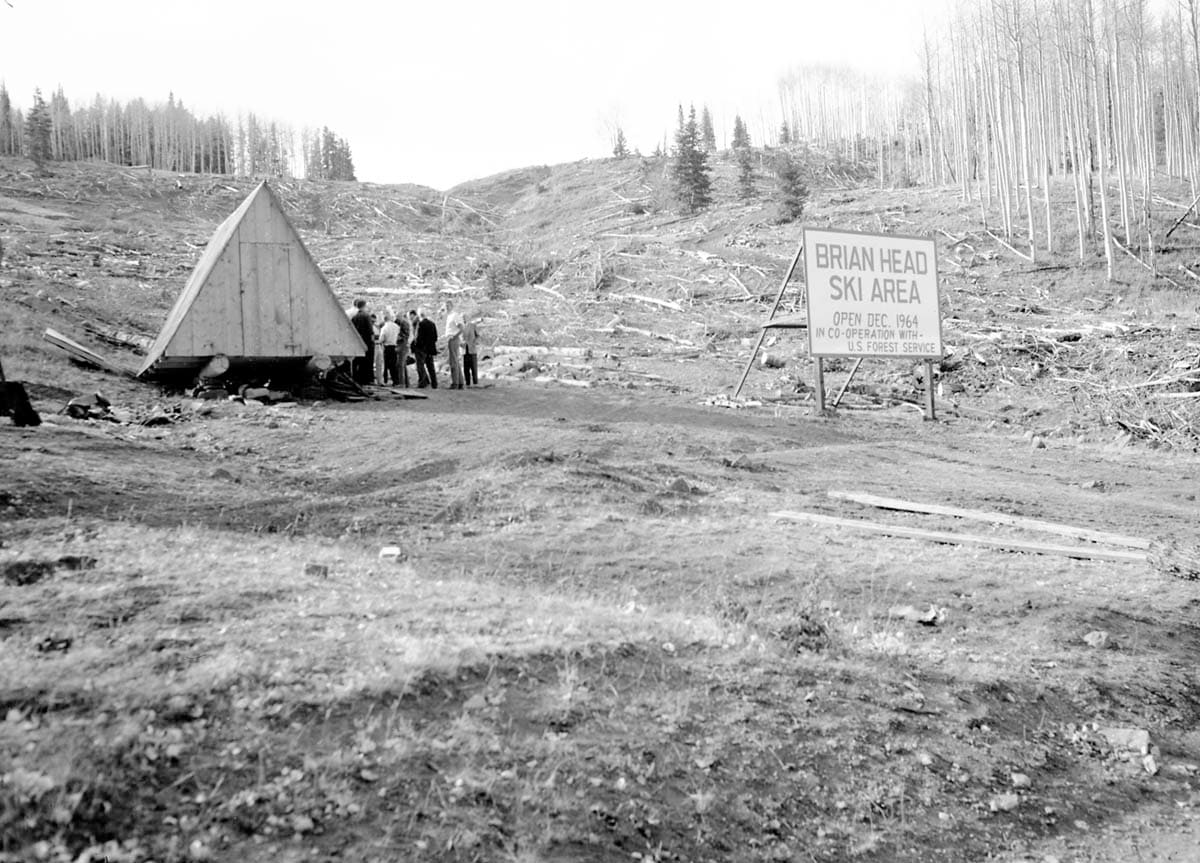
The ski area itself is much younger than the shelter. Brian Head opened in December 1964, at a place the Forest Service paperwork called Bear Flat, southwest of the peak. The photo below was taken that October, with the sign already up and the lift not yet running.

Brian Head Town did not incorporate until 1975, nine years after the first season, and at the 2020 census it had 151 permanent residents. It is a town built entirely around a chairlift, which is worth remembering when you are deciding where to sleep.

Black and white photograph of men standing at the Bear Flat ski development near Brian Head Peak in 1964, beside a sign announcing the ski area opening in December 1964
Bear Flat, 10 October 1964. The sign announces a December opening; Brian Head Town would not incorporate for another eleven years. Frank R. Oberhansley, courtesy Zion National Park (ZION 9384) · Public domain · via Wikimedia Commons

Staying in Duck Creek instead of on the mountain

We will be straight about the trade-off. If your whole trip is skiing and you want to walk to the lift in ski boots, stay in Brian Head. Nothing we can offer beats ski-in convenience on a powder morning, and a 61-mile winter drive each way is a real cost.

What Duck Creek Village Inn offers instead is a quieter, less expensive base with more to do when you are not on the hill. You are 41 minutes away in summer and between an hour and a quarter and 1 hr 35 min in winter depending on whether Mammoth Creek Road is open, in a village with restaurants, a snowmobile trail network out the door, and no resort-village bustle in the evening. For a trip that mixes one ski or tubing day with snowmobiling, Cedar Breaks and slow mornings, that balance works better than paying resort rates for nights you spend asleep.

Compare our rooms and cabins, or start from the 3-day winter itinerary if you want the whole week sketched out before you book.

October 2026

Why trust this guide

We write this page for guests driving up from Duck Creek Village Inn, so the parts we spend the most effort on are the drive, the seasonal road closure, and what the snow actually does. Routes and elevation profiles are OSRM routing lines sampled against USGS 3DEP; the lift table is OpenStreetMap lift geometry with USGS terminal elevations; the snow data is fifteen water years of NRCS SNOTEL readings from the station on the mountain, refreshed live. Resort dates, hours and prices change every season, so cross-check those against the official sources before you go.

Planning a Brian Head day

The questions trip planners usually ask next.

Is there snow tubing at Brian Head?

Yes. Brian Head Resort runs a snow tubing hill at its Giant Steps base area, separate from the ski runs, and the tube is included with your ticket. Sessions are sold in 1.5-hour blocks and you can buy online in advance or at the ticket office. The minimum age is 4, and children under 50 pounds ride alone in their own tube with a ticketed adult alongside them in a separate lane. Tubing is snow dependent, so confirm current-season dates, hours, and pricing on brianhead.com before you drive up.

How far is Brian Head from Duck Creek Village?

23.5 miles and about 41 minutes in summer: Highway 14 west, then Highway 148 north through Cedar Breaks National Monument to Highway 143. In winter that shortcut disappears, because Highway 148 closes around mid-November and does not reopen until mid to late May. The winter route runs Highway 14 down to Cedar City, I-15 north to Parowan, then Highway 143 up Parowan Canyon — 61 miles and about an hour and 35 minutes in good conditions, with almost 4,000 feet of climbing in the last thirteen. The shorter winter way, which we usually take, is Mammoth Creek Road north to Highway 143 and over the top, about 35 miles and 1 hr 15, but that county road is plowed without guarantees and drifts shut after storms, so check it before you rely on it.

When does Brian Head open for the season?

Brian Head Resort has scheduled Friday, November 6, 2026 as opening day for the 2026-27 winter season. The resort describes a typical season running from early November into May, and it claimed 160 ski days in 2025-26. Opening terrain always depends on early-season snow and snowmaking, and the snow tubing hill usually needs more coverage than the first ski runs do.

When does Brian Head have the most snow?

The NRCS snow-telemetry station on the mountain (site 1154, 10,040 ft) has fifteen complete seasons of daily readings. Across those years the snowpack tops out in the middle of March — about 50 inches on the ground in a median year, and a median season high-water mark of 64 inches — and the median season holds 24 inches or more from roughly December 18 to May 2. Early November, when the resort opens, has a median depth of only a few inches — opening day depends on snowmaking. Season to season the peak has ranged from 38 inches in 2014 to 108 inches in 2023.

Is Brian Head good for beginners?

Yes, and that is its main identity. The Navajo side has the learning area, the kids’ programs, and the two lowest-angle lifts on the mountain, including a short double chair over the beginner slope. The resort puts its terrain split at roughly 32 percent beginner, 36 percent intermediate, and 32 percent advanced, and it has been offering free skiing for children 12 and under through a free Power Kids Pass. The one thing to plan for is elevation, not difficulty: the lowest point on the mountain is 9,600 feet, so first-timers coming from sea level tire quickly.

What is there to do in Brian Head in summer?

The resort keeps the Giant Steps Express running for downhill mountain biking on more than 100 miles of single track, scenic chairlift rides with Cedar Breaks in view, and the Vista Trail, a three-mile hike down from the top of the lift. There is also an 18-hole disc golf course and an Adventure Zone with a climbing wall, mini zip line, bungee trampoline, and a summer tubing hill. In 2026 the resort ran daily from June 29 through August 30, with weekend operations on either side of that window.

Can you drive to Brian Head Peak?

A Dixie National Forest spur road climbs from Highway 143 to the Brian Head Peak observation site at 11,307 feet, where a stone shelter built by the Civilian Conservation Corps in 1935 still stands — the interpretive sign on the summit says so. On a clear day you can pick out Nevada’s Wheeler Peak, Arizona’s Mount Trumbull and Navajo Mountain, and the Tushar Range. The road is unpaved and only clear of snow for part of the year, so check Dixie National Forest alerts before you plan a drive up.

Stay Here, Ski Brian Head Tomorrow

Book your room or cabin at Duck Creek Village Inn, a quieter, cheaper winter base with snowmobile trails at the door and Brian Head an easy day away.

10% off direct with code · stays through Dec 1, 2026 Best rate direct · Reserve now, pay later

Call Us · 435-990-5488