Snow, skiing, snowmobiles, and cabin time in the high country
A winter trip to Duck Creek Village is a different rhythm than summer: shorter days, snow-covered forest, Brian Head skiing, snowmobile trails, and evenings by the fireplace or in a hot tub under the stars. This itinerary works from mid-December through March when snow coverage is strongest.
Highlights
Day 1 is for arrival, settling in, and easy snow play near the village.
Day 2 is the big snow day: Brian Head skiing or a snowmobile outing.
Day 3 is cabin time, a winter trail, and a relaxed departure.
Forest Haven's private hot tub is the anchor for winter evenings.
How to Shape the Day
1
Stop 1
Day 1: Arrive, snow play, and cabin warmth
Check in and explore Duck Creek Village under snow. If conditions are good, walk the village trails on snowshoes or take a short cross-country ski loop through the meadows. Keep the first day low-key - you are adjusting to the elevation and cold. End the day with dinner, the fireplace, and the hot tub at Forest Haven if that is your cabin.
Choose village snowshoe routes only when local access and snow conditions are good.
The hot tub sets the tone for the whole winter stay.
Check road conditions and snow reports for the next day's plans.
2
Stop 2
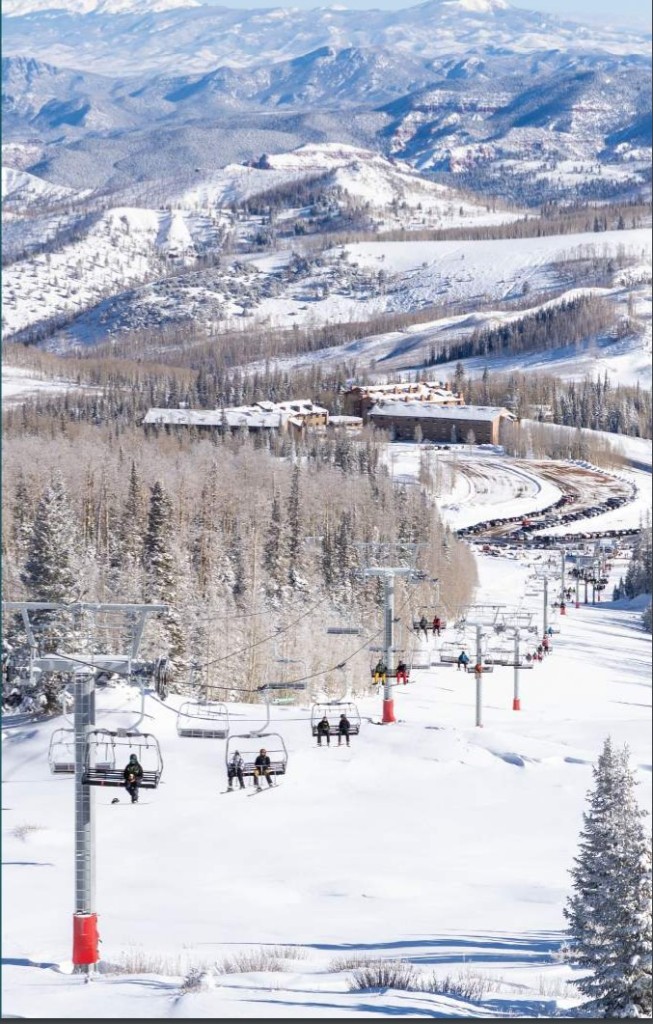
Day 2: Brian Head skiing or snowmobile adventure
Plan a Brian Head ski or snowboard day only after checking winter routing, UDOT conditions, and the resort report; the direct Cedar Breaks route usually closes in winter, so the drive can be longer than it looks on a summer map. If skiing is not the fit, book a snowmobile outing on open Markagunt Plateau routes with a local operator. Return to the inn by late afternoon so the evening stays warm and simple.
Brian Head has terrain for a range of skier and snowboarder ability levels.
Snowmobile access depends on snowpack, route status, and operator availability.
Build in extra winter drive time so you are back for a warm evening instead of a stressful commute.
3
Stop 3
Day 3: Winter trail morning and relaxed departure
Use the last morning for a short snowshoe walk through the village forest or another nearby area that matches current access. Pack up after an easy brunch or cabin breakfast. If you have time, check the Cedar Breaks NPS winter access and program pages; ranger-led snowshoe tours, when offered, are snowpack- and weather-dependent. Drive out on Highway 14 and stop only at safe, plowed pullouts where the snow-covered plateau gives you one last panoramic view.
A short morning outing keeps the last day from feeling like pure logistics.
Winter overlooks on Highway 14 are a strong way to close the trip.
Leave enough time for careful winter driving on the descent.
Trip Gallery
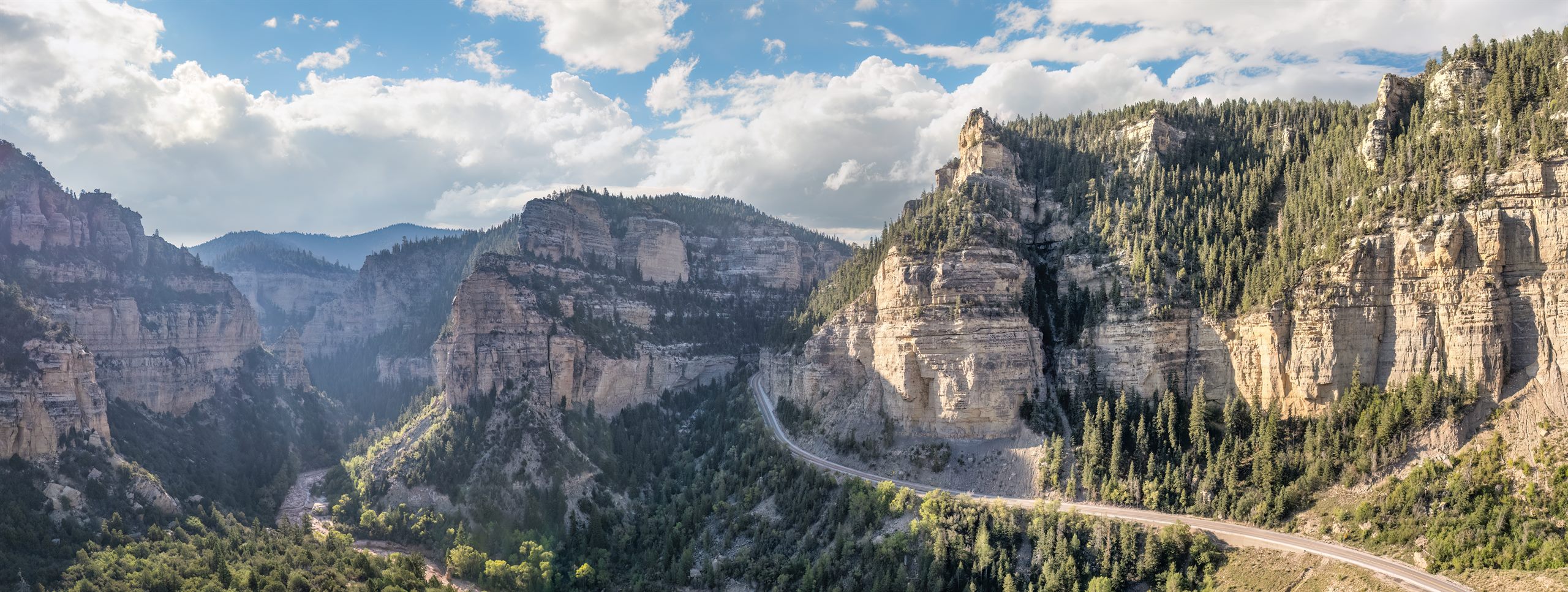
Day 2 at Brian Head gives you real ski-day energy without the resort-town overhead.The drive into Duck Creek is half the experience in winter.Village snow trails keep the quieter days feeling active and memorable.
Frequently Asked Questions
Is Highway 14 safe in winter?
Highway 14 is maintained in winter, but conditions change quickly. Always check UDOT road conditions and live cameras before driving, carry legally required traction gear when conditions call for it, and drive to conditions.
Do I need my own ski or snowshoe gear?
Not necessarily. Brian Head has full rental shops for skiing and snowboarding. For snowshoes and cross-country skis, check Cedar City outfitters or rent before you arrive.
Which cabin is best for a winter stay?
Forest Haven has a private hot tub, which is the standout winter amenity. Bear and Moose Cabins have gas fireplaces and full kitchens, making them great for groups who want a cozy base.
Conditions and official resources
March 2026
Cross-check park conditions before you order the trip
These day plans are written from the way guests actually combine park days with a Duck Creek stay. Before you lock the order in, confirm road conditions, park access, and seasonal closures with the official sources below.