Duck Creek Village sits at 8,400 feet on the Markagunt Plateau, which means reliable snowpack from late November through March in most years. The same forest, meadows, and roads that serve hikers and ATV riders in summer become cross-country ski trails, snowshoe routes, and quiet winter landscapes once the snow settles in. You do not need a resort pass or a long drive — several routes start from or near the village.
Trail options
Duck Creek Village Trail System
Cross-country skiing, snowshoeing In village
Groomed and ungroomed routes through the meadows and forest right around the village. Easy access from the inn with no driving required on good snow years. Flat to gently rolling terrain suited to beginners and families.
Navajo Lake Road (closed in winter)
Cross-country skiing, snowshoeing ~10 min to trailhead
When Highway 14 keeps the road to Navajo Lake gated for winter, the snow-covered road becomes a popular cross-country ski and snowshoe route through quiet forest. Moderate distance with gentle grades.
Cedar Breaks Snowshoe Routes
Snowshoeing, winter hiking ~30 min
The monument road closes in winter, but rangers lead guided snowshoe hikes on select weekends (check the NPS calendar). The high-elevation snow and rim views make this one of the most scenic winter outings in the region.
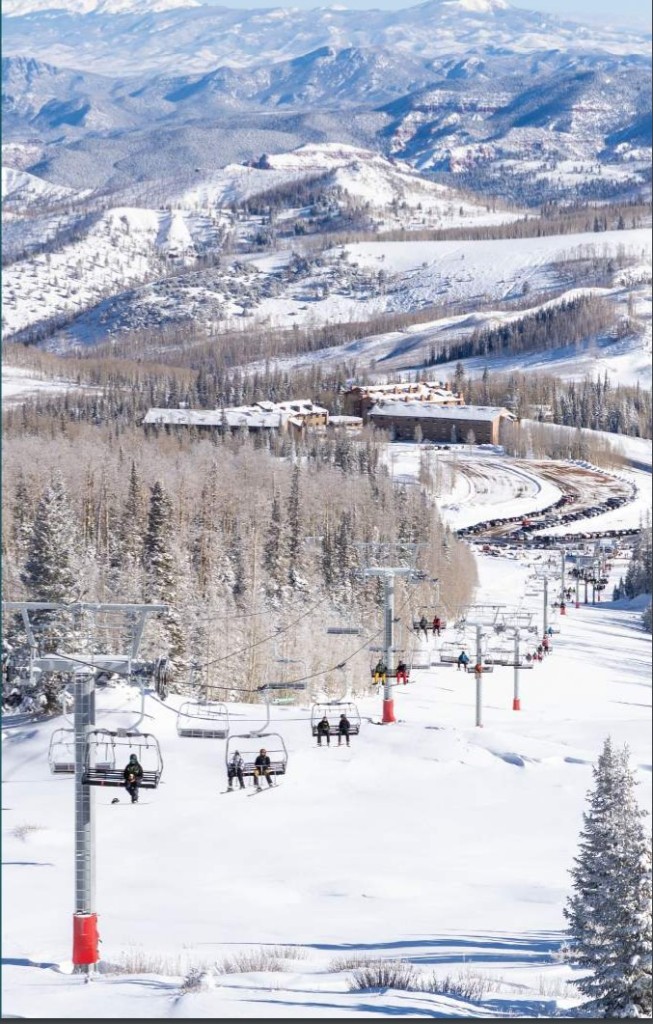
Brian Head Resort Nordic Trails
Cross-country skiing ~25 min
Brian Head offers groomed Nordic trails alongside its downhill operations. A good option when you want a maintained trail system with services nearby.
Markagunt Plateau Forest Roads
Snowshoeing, backcountry skiing Varies
Forest Service roads on the Markagunt Plateau become ungroomed backcountry routes in winter. Best for experienced users comfortable with navigation and variable snow conditions.
Conditions and access
Winter trail access depends on snowfall, plowing schedules, and Highway 14 conditions. Duck Creek Village is accessible year-round via Highway 14, but side roads and trailheads may require snowshoe or ski access when unplowed. Always check current road conditions and live cams before heading out.
The best snow for cross-country skiing comes after fresh storms followed by a day or two of settling. Warm spells can create icy crust; very cold snaps produce dry powder that is excellent for snowshoeing but can be slow for skiing without fresh tracks.
What to bring
- Cross-country skis or snowshoes (rent in Cedar City or Brian Head if you do not have your own)
- Warm, moisture-wicking layers — cotton kills in cold, wet conditions
- Waterproof outer shell and insulated gloves
- Gaiters to keep snow out of boots
- Sunglasses or goggles — snow glare at 8,400 feet is intense
- Water, snacks, and a thermos with a hot drink
- Trail map or GPS — winter routes may not be marked
Best time for winter trails
December through February typically offers the most consistent snow coverage. Late November and March can be strong in heavy snow years but variable in lighter ones. Weekday outings give you the quietest trails. Weekend ranger-led snowshoe hikes at Cedar Breaks fill up, so check the NPS schedule early.
Pair winter trails with the rest of your stay
A winter Duck Creek trip works well when you alternate trail days with other activities: a Brian Head ski day, a snowmobile outing, or a cabin day with the hot tub at Forest Haven. Use the Duck Creek day plan for ideas on building a balanced winter itinerary.