Book Book Your Stay
Book direct & save 10%: code Save 10% · stays thru Dec 1 · stays through Dec 1, 2026
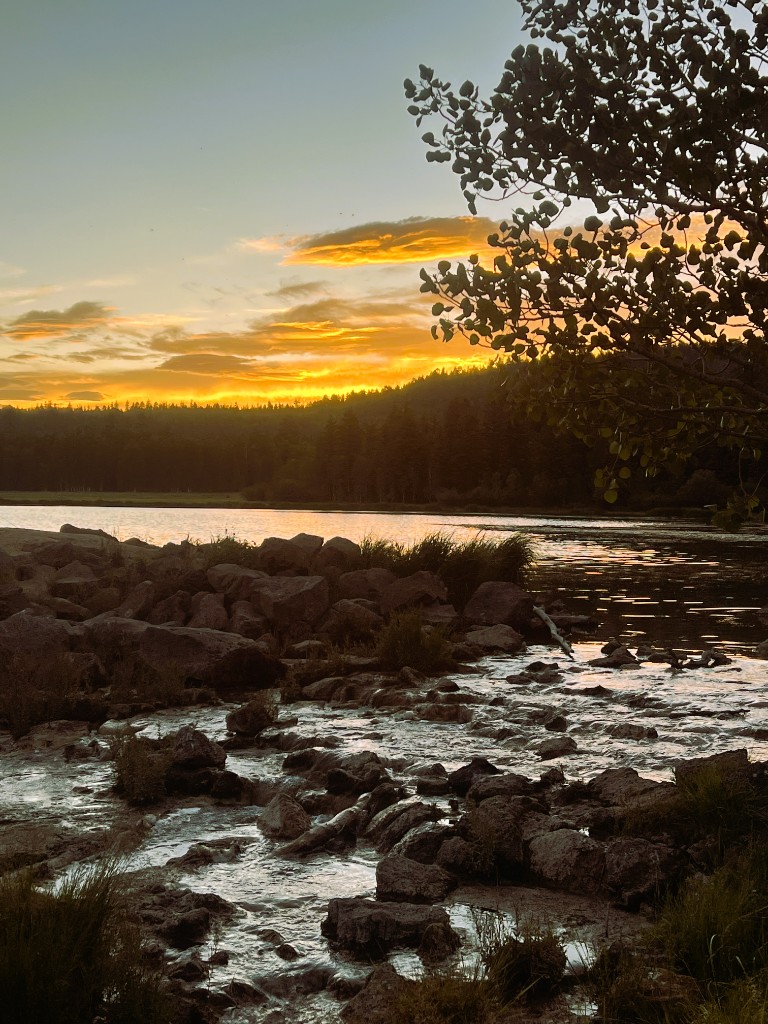
Sunset over a calm mountain lake near Duck Creek Village with a rocky shoreline and forest

Duck Creek Guide

Fishing Near Duck Creek Village

Four stocked trout waters within 35 minutes of the inn, from a walk-to village pond to a 1,248-acre Blue Ribbon lake

Duck Creek Village sits in the middle of the best stocked trout water in southern Utah's high country. There is a pond in the village that the state plants with rainbows every summer, a 15-acre lake a half-mile walk from the highway, a 700-acre lava-dammed lake fifteen minutes west with splake and tiger trout, and, 35 minutes away, Panguitch Lake, a Blue Ribbon fishery that the Division of Wildlife Resources stocks with something like 170,000 trout a year. You can fish all four from the inn without ever driving more than 40 minutes.

This page is the overview: what lives in each water, when it is stocked, what the rules are, and which one fits the day you have. Each water also has its own page with directions, parking, and the full stocking record, and our Duck Creek fishing report shows the most recent plants at every one of them, straight from the state's stocking log.

See exactly when each of these waters was last stocked: Duck Creek Village fishing report →

Fishing at a glance

License
Utah fishing license for everyone 12 and older; buy online at wildlife.utah.gov before you lose cell service
Closest water
Duck Creek Pond, in the village; Aspen Mirror Lake is 5 minutes plus a half-mile walk
Biggest fish
Panguitch Lake, 35 minutes, Blue Ribbon water with a slot limit on cutthroat and tiger trout
Boats
Motors at Panguitch; electric and paddle craft at Navajo; nothing on the water at Aspen Mirror or the pond
Stocking season
Plants start in mid to late May and run into August; Panguitch gets fish into October
Best months
Right after ice-off in late May, mornings and evenings in July and August, and all day in September
Tackle in the village
Basic bait and lures at the general store; a full tackle shop means Cedar City
Winter
Ice fishing at Panguitch Lake; Navajo by snowmobile; everything else is snowed in

The four waters

Listed closest to farthest. The stocking lines below come from the Utah DWR stocking record for each water since 2002, so "usually" means exactly that: what the state has actually planted, most years.

Duck Creek Pond

Distance: In village Access: Shore fishing only · in-village pond

Duck Creek Pond is the water you can walk to. It sits beside the entrance to Duck Creek Campground on the west edge of the village, fed by the springs that give Duck Creek its name (the state logs it as Duck Creek Springs). There is a picnic area, easy bank all the way around, and no drive, which makes it the natural first stop on arrival day and the place to put a kid on a fish for the first time.

The state plants it heavily for its size, and fresh rainbows hit PowerBait and worms within a day or two of a truck. Evenings are the best window, when the sun drops behind the trees and the surface starts dimpling. The general statewide trout rules apply; there is no special regulation here.

Usually stocked with rainbow trout and brook trout. Plants normally run May 17 to August 21, about 6,500 fish a season.

Tip: Worms under a bobber for kids, a small marabou jig or PowerBait on a slip sinker for everyone else. Check the fishing report for the last plant date before you count on it.

Duck Creek Pond in the village with evergreen forest around the shoreline
Duck Creek Pond, at the west edge of the village beside the campground entrance.

Aspen Mirror Lake

Distance: ~5 min + ½-mile walk Size: ~15 acres Access: Shore fishing only · no boats or float tubes

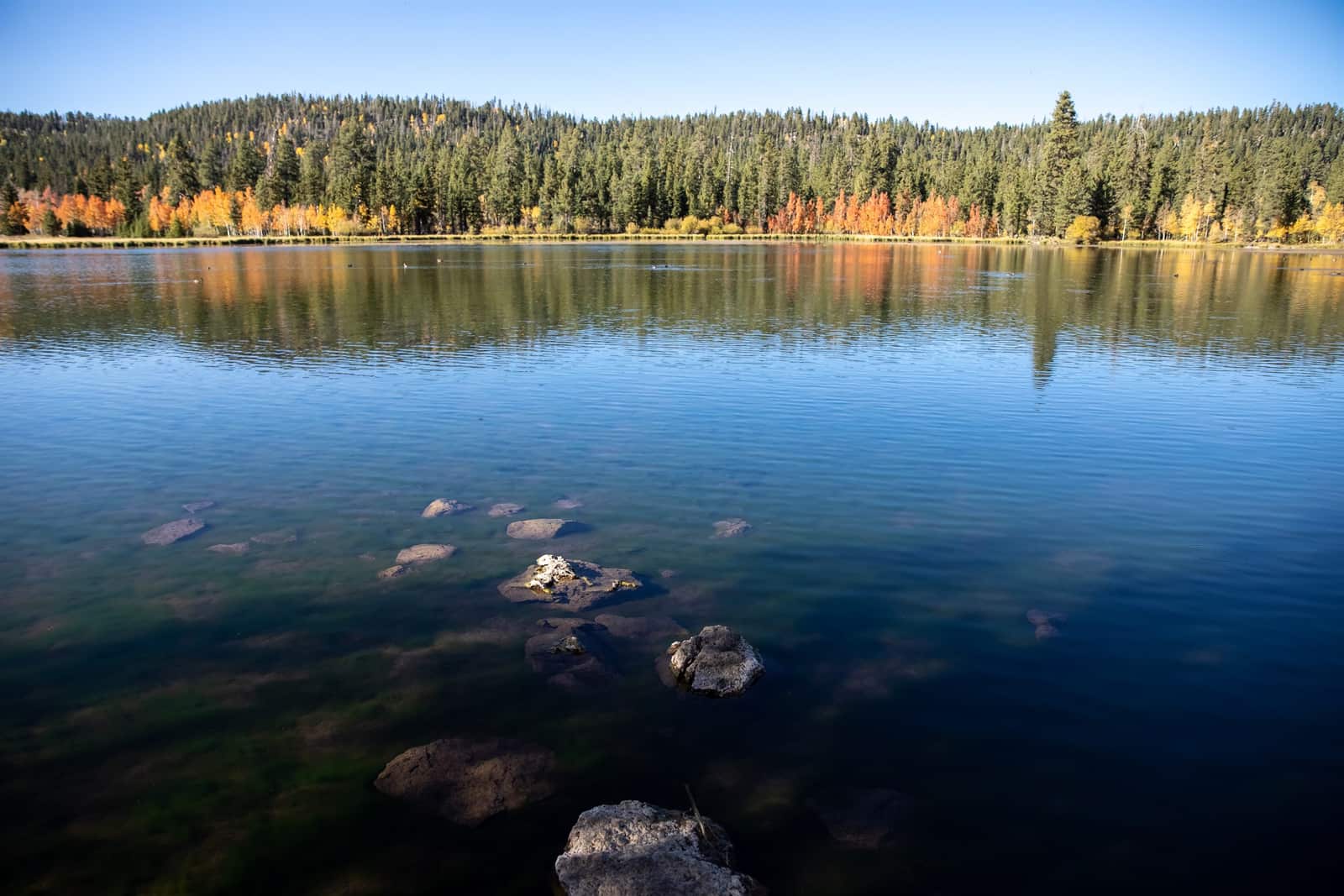
Aspen Mirror Lake is fifteen acres of still water in the aspens a half-mile walk from the trailhead on Forest Road 057, five minutes from the inn. The trail is flat but crosses lava rock, so it is a walk rather than a stroll, and it ends at a lake that on a calm morning is a mirror: firs and aspens upside down on the water, and trout rising through them. It is shore fishing only, with no boats or float tubes, and the bank is open enough to cast from most of the way around.

It is small water, so timing matters more here than anywhere else on this page. Fish it within a week of a plant and the rainbows are easy; fish it in the dog days of August and you will work for them. Ants, beetles, and small hopper patterns on a floating line are the fly angler's summer game; bait anglers do well with PowerBait early and late. The aspens turn in the last week of September, and the lake is at its most photographed then, so go early if you want the water to yourself.

Usually stocked with rainbow trout and brook trout. Plants normally run May 22 to August 11, about 7,000 fish a season.

Tip: Walk the north shore first thing, before the wind comes up around ten. A 1/16 oz Panther Martin cast parallel to the bank covers more fish than a bobber on this water.

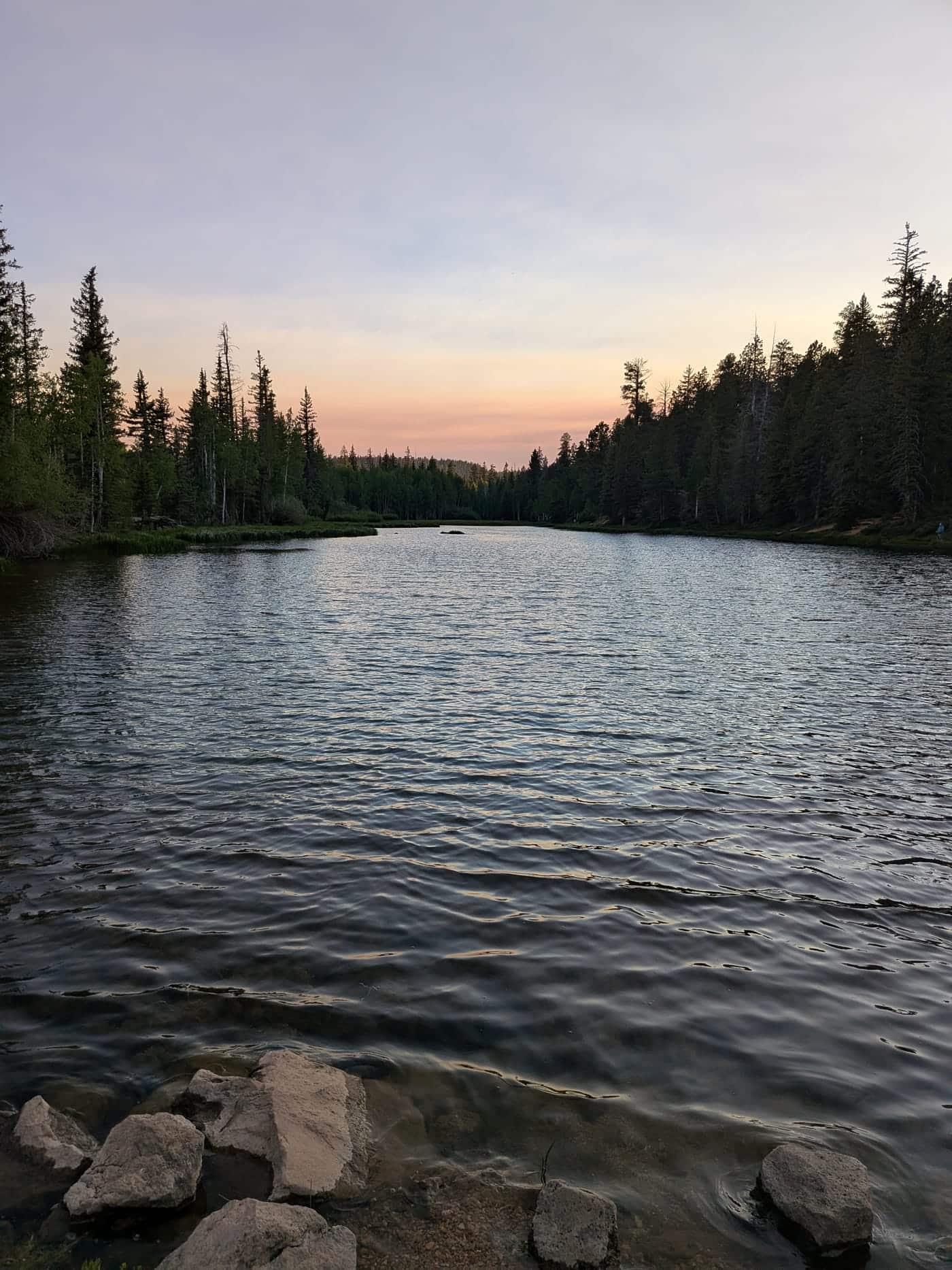
Aspen Mirror Lake at sunset with spruce and aspen silhouetted against a pink sky and rocks in the shallows
Aspen Mirror Lake at dusk in June. The half-mile walk in makes it the quietest of the four waters.

Navajo Lake

Distance: ~15 min Size: ~600 acres Access: Motorized & paddle craft · campground landing and lodge ramp · shore access

Navajo Lake is the big water close to home: about 700 acres at 9,000 feet, fifteen minutes west of the village on Highway 14. A lava flow dammed the valley and the lake has no surface outlet; it drains through sinkholes and reappears miles away at Cascade Falls. For anglers what matters is that it is the most versatile water here, with a primitive launch at Navajo Lake Campground, three campgrounds along the south shore, and miles of fishable bank.

The state reset the fishery after 2021 and stocks it with rainbows every year and splake most years, with tiger trout and brook trout in about half the seasons and a few tiger muskie planted to keep the chubs down. The one rule to know: the limit is one trout over 22 inches, of any species. Trolling small Rapalas or a Woolly Bugger behind a kayak works from ice-off in late May, and the calm mornings before the afternoon wind are the best hours for both fishing and paddling. Kayaks, canoes, and electric motors are allowed; gas motors are not.

Camp on it if you can. Our camping guide covers the three Navajo Lake campgrounds, and the walk-in tent sites at Navajo Lake Campground put you steps from the water.

Usually stocked with rainbow trout, splake, brook trout, and tiger trout. Plants normally run May 24 to August 26, about 34,000 fish a season.

Tip: When the afternoon wind pushes across the lake, fish the downwind shore; it stacks bait and the trout follow. Splake sit deeper than rainbows, so let a jig or spoon sink before you retrieve.

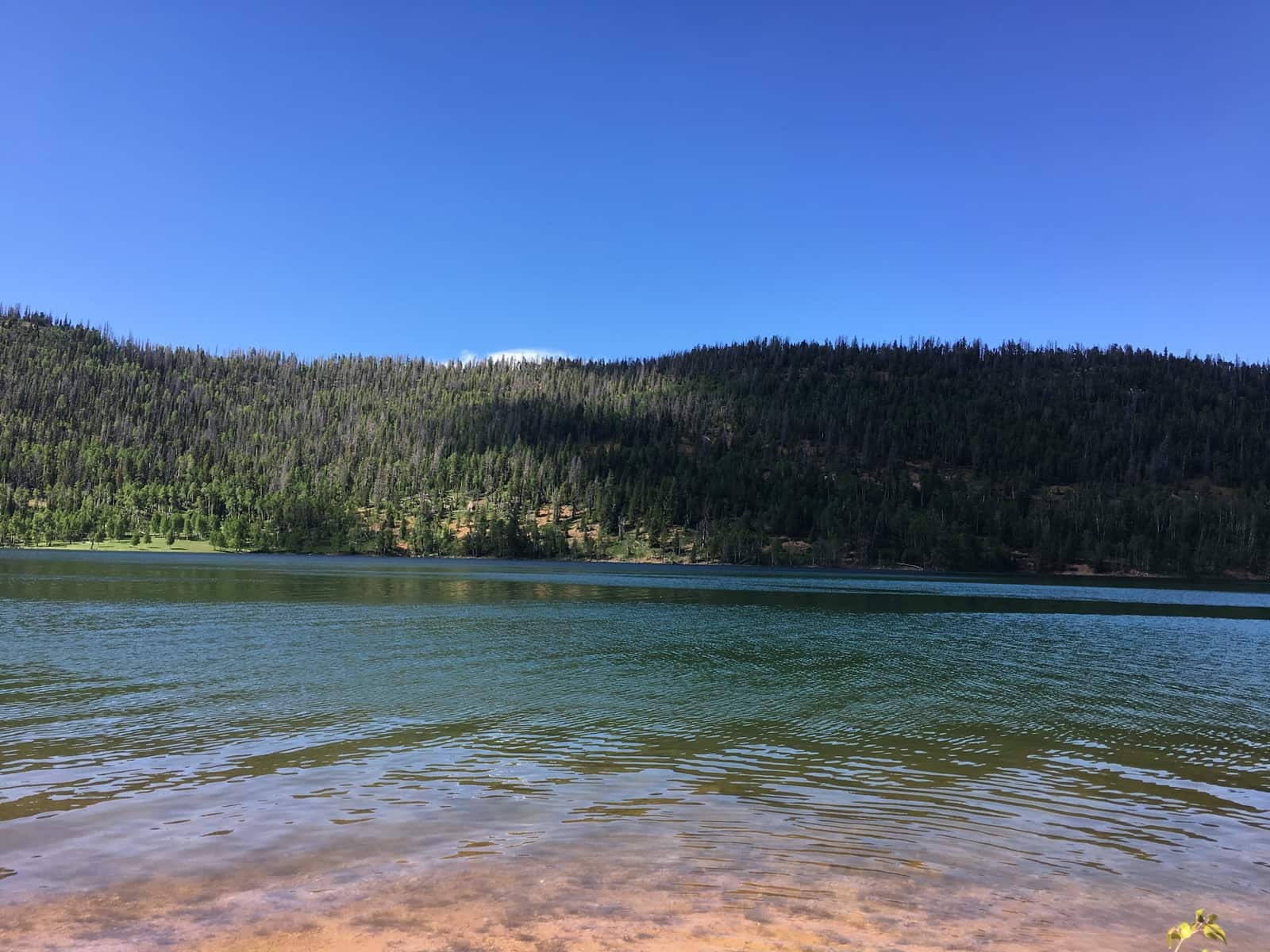
Navajo Lake on a clear summer day with green water in the shallows and a forested ridge across the lake
Navajo Lake from the south shore. The far ridge is the plateau rim above the lava field.

Panguitch Lake

Distance: ~35 min Size: ~1,248 acres Access: Motorized boats · two public ramps · shore access

Panguitch Lake is where you go for the biggest trout in the region. It covers 1,248 acres at 8,212 feet on Highway 143, about 35 minutes from the inn by the Mammoth Creek road in summer, and Utah manages it as a Blue Ribbon fishery: rainbow and Bear Lake cutthroat every year, tiger trout nearly every year, on the order of 170,000 fish a season with plants running from early May into October. The cutthroat and tigers are there to eat chubs, and they grow doing it.

The regulations reflect that. The limit is four trout in total, with no more than two cutthroat or tiger trout under 15 inches and no more than one over 22 inches; every cutthroat or tiger between 15 and 22 inches goes back, and you may not fillet fish in the field. Two public ramps take motorized boats, there is a fish-cleaning station, and Utah's annual mussel-aware course applies to anything you launch, kayaks included. Trolling cowbells and wedding rings tipped with a worm is the local method; from shore, the campground side fishes well early.

Two cautions before the drive. The lake gets periodic harmful algal bloom advisories in late summer, so check the Utah DEQ monitoring page before you swim, let a dog in, or keep fish. And dam reconstruction has been under way since late 2025, so check the current Highway 143 and Forest Service notices. Our Panguitch Lake page has the campground and access detail; in winter it is the ice fishing lake, covered in our winter guide.

Usually stocked with cutthroat trout, rainbow trout, and tiger trout. Plants normally run May 4 to October 18, about 171,000 fish a season.

Tip: Bring a boat if you have one; the bigger fish hold in deeper water off the south and west shores. Carry a tape: the 15-to-22-inch slot on cutthroat and tigers is enforced.

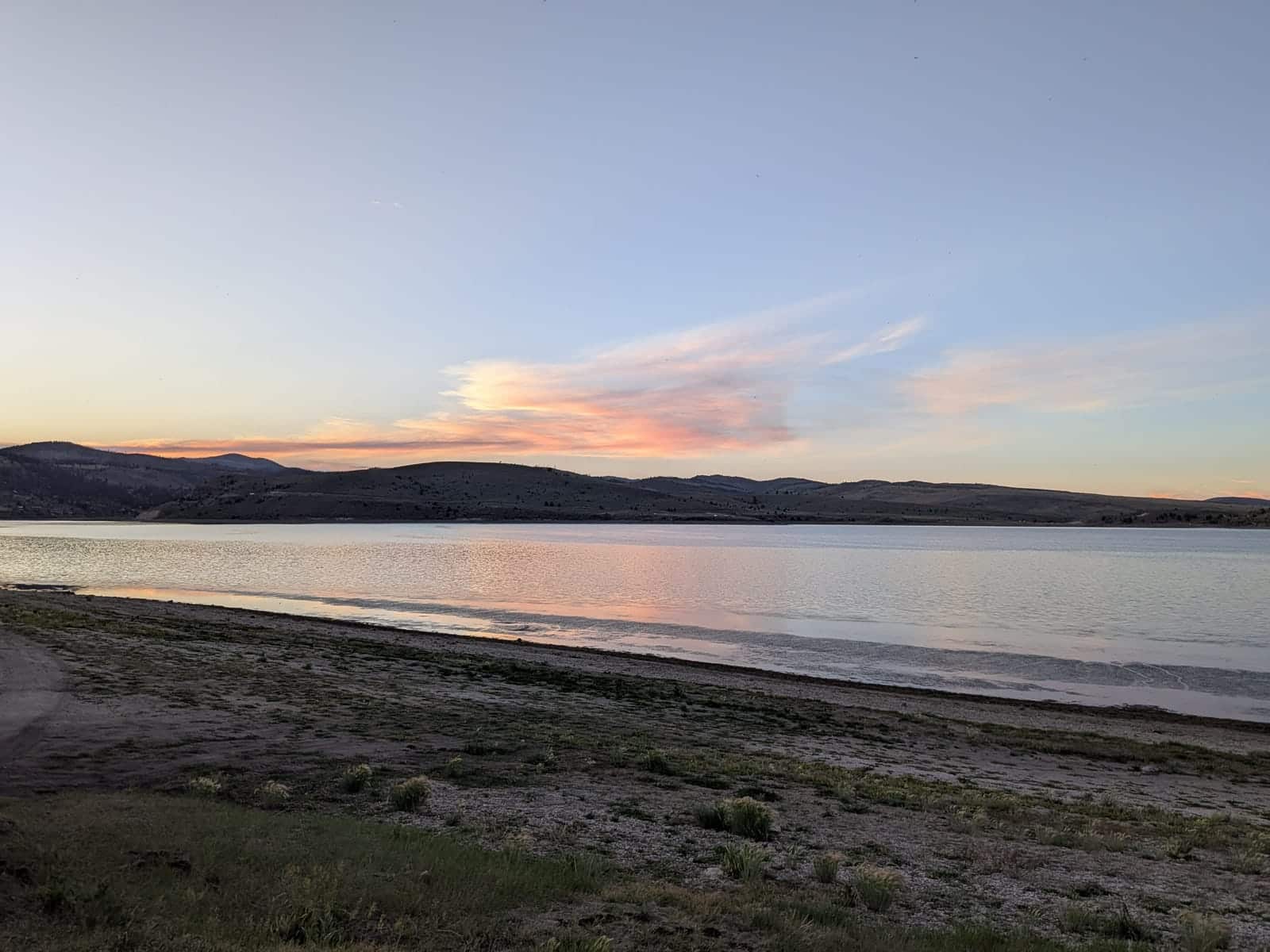
Panguitch Lake at sunset with a wide shoreline in the foreground and low hills reflected in calm water
Panguitch Lake from the east shore at dusk. The lake is roughly twice the size of Navajo and open enough to get windy.

Duck Creek, the stream

The creek itself is worth a mention. Duck Creek leaves the pond and runs through the meadows below the village, small enough to step across in places, and the state plants a modest number of catchable rainbows in it each year in late May and June. It is wade-and-bank fishing for small, willing trout, best in the first month after the plant and before the creek drops in July. Bring a short rod, a handful of size 14 dries, and low expectations about size.

Plants normally run May 21 to July 4, about 1,300 fish a season. Stocking history for Duck Creek

Farther afield

When the four close waters are crowded or blown out, these are the day-trip alternatives we send guests to. Each has its own page.

  • Yankee Meadow Reservoir, about an hour, with the last seven miles on gravel: rainbow, brook, and cutthroat trout in a quiet meadow reservoir with no services
  • Otter Creek Reservoir, about an hour and ten minutes near Antimony: a state-park lake stocked with rainbows, cutthroat, and wipers from April to November
  • Fish Lake, about an hour and 45 minutes: Utah's largest natural mountain lake, with lake trout, splake, and kokanee, a full-day trip with marinas
  • All lakes near Duck Creek for the complete list, including the ones that are better for paddling than fishing

Gear that works here

None of this water needs specialty tackle. A light spinning rod, a small box of lures, and bait will fish all four, and a 4- or 5-weight fly rod covers the two small waters. What changes from lake to lake is depth and wind, not technique.

Bait

  • PowerBait on a slip sinker, the surest thing for freshly stocked rainbows at the pond, Aspen Mirror, and Navajo
  • Worms under a bobber or on the bottom, everywhere, and the easiest rig for kids
  • Salmon eggs near the inlets at Navajo and Aspen Mirror in early season

Lures

  • Panther Martins and Rooster Tails, 1/16 to 1/8 oz, cast parallel to the bank on all four waters
  • Small Rapalas and Kastmasters for trolling or long casts at Navajo and Panguitch
  • Cowbells and wedding rings with a worm, the Panguitch Lake trolling standard
  • Marabou jigs and small spoons fished slow and deep for splake at Navajo

Flies

  • Ants, beetles, and small hoppers at Aspen Mirror and the pond from July into September
  • Midges and leeches under an indicator when nothing is rising
  • Woolly Buggers stripped from shore or trolled behind a kayak at Navajo

Cedar Mountain Country Store in Duck Creek Village carries basic bait and a small tackle selection. For anything specific, stop at a tackle shop in Cedar City on the way up Highway 14; there is nothing between there and the village.

Season by season

Late May and June. Ice-off is the trigger. Navajo usually clears in the second half of May and Panguitch a couple of weeks earlier; the first plants of the year go in at about the same time, and hungry trout cruise the shallows for weeks. The pond and Aspen Mirror get their first fish in mid to late May. This is the easiest fishing of the year.

July and August. Everything is open and everything is stocked, and the afternoons are hot enough at 9,000 feet to push trout deep. Fish dawn and the last two hours of light, and expect afternoon thunderstorms most days; off the water when you hear thunder. Fresh plants keep the pond and Aspen Mirror lively through the summer. Navajo is a morning lake; by two the wind is up.

September and October. The month most of our angling guests come back for. Water cools, trout feed all day, the crowds leave after Labor Day, and the aspens turn. Panguitch keeps getting stocked into October and its bigger cutthroat and tigers move shallow. Navajo Lake Road and the campgrounds close in early September, but the lake itself fishes from shore until the snow.

November to March. Panguitch Lake freezes and becomes the ice-fishing lake, usually with safe ice from late December through February. Navajo freezes too but its road is unplowed, so it is a snowmobile trip. The pond and Aspen Mirror are under snow. Our winter guide covers the drive to Panguitch when the shortcut is closed.

Licenses, limits, and boats

  • A Utah fishing license is required from age 12; kids under 12 fish free but count toward limits and follow the same rules
  • Buy the license online at wildlife.utah.gov before you leave Cedar City; cell service in the village is unreliable
  • Navajo Lake: one trout over 22 inches, any species; non-motorized and electric boats only
  • Panguitch Lake: four trout total, no more than two cutthroat or tiger trout under 15 inches and one over 22, all 15 to 22 inch cutthroat and tigers released, no filleting in the field; motorized boats and two public ramps
  • Aspen Mirror Lake and Duck Creek Pond: statewide general trout rules; shore fishing only, no boats or float tubes
  • Every boat, kayak, canoe, and paddleboard needs the free annual Utah mussel-aware course before it launches
  • Check the Utah DEQ page for Panguitch Lake algal advisories before swimming, letting dogs in, or keeping fish
  • Bag limits and special regulations change; the current Utah fishing guidebook is the final word

Rules above are as published for the 2026 season and recorded on our lake pages. Verify with the Utah Division of Wildlife Resources before you keep a fish.

A fishing trip from the inn

Most angling guests do it this way: the pond on arrival evening, Aspen Mirror at first light the next morning, Navajo or Panguitch for the full day, and a village dinner after. Two nights covers it; three lets you pick the calm morning for the big lake. Rods ride fine in our rooms, and a cabin with a kitchen means you can cook what you keep. Our Duck Creek day plan lays the village day out hour by hour, and the fishing report is the page to check the morning you decide where to go.

September 2026

Why trust this guide

We are innkeepers who fish these waters, not biologists. Species and stocking calendars on this page are computed from the Utah DWR stocking record since 2002, special regulations come from the state guidebook as recorded on our lake pages, and access rules from the Forest Service. Stocking, rules, and water quality change every season, so verify with the sources below before you drive.

Duck Creek fishing questions

What anglers ask before they book.

Where can I fish near Duck Creek Village, Utah?

Four stocked trout waters sit within 35 minutes: Duck Creek Pond in the village, Aspen Mirror Lake a half-mile walk from Highway 14, Navajo Lake 15 minutes west, and Panguitch Lake, a Blue Ribbon fishery 35 minutes away. Duck Creek itself is stocked with a few rainbows each spring. Yankee Meadow, Otter Creek, and Fish Lake are the longer day trips.

Do I need a fishing license to fish near Duck Creek Village?

Yes. Utah requires a fishing license for everyone 12 and older, sold online at wildlife.utah.gov. Kids under 12 do not need one, but fish they keep count toward the limit and the same rules apply.

What fish are in Navajo Lake?

Rainbow trout every year, splake most years, and tiger trout and brook trout in about half the seasons, plus a few tiger muskie stocked to control chubs, according to the Utah DWR stocking record. The special regulation is one trout over 22 inches. Non-motorized and electric boats only.

What fish are in Panguitch Lake, and what is the slot limit?

Rainbow trout, Bear Lake cutthroat trout, and tiger trout, stocked at roughly 170,000 fish a season. The limit is four trout total, with no more than two cutthroat or tiger trout under 15 inches and one over 22; every cutthroat or tiger between 15 and 22 inches must be released, and fish may not be filleted in the field.

Can you fish Aspen Mirror Lake?

Yes, from shore only. No boats or float tubes are allowed. The state stocks it with rainbow trout every year and brook and tiger trout in many years, with plants from late May into August. It is a half-mile walk from the trailhead on Forest Road 057.

Where is the best place to take kids fishing near Duck Creek?

Duck Creek Pond, in the village. It has easy bank all the way around, a picnic area, no drive, and heavy rainbow stocking through the summer. Worms under a bobber in the evening is the reliable setup. Aspen Mirror Lake is the next step up once the half-mile walk is not a problem.

When are the lakes near Duck Creek stocked?

The pond, Aspen Mirror, and Navajo get their first plants in mid to late May and their last in August, in most years. Panguitch Lake is stocked from early May into October. Our fishing report lists the most recent plant at each water from the state stocking log.

Can you fish near Duck Creek in winter?

Panguitch Lake is the winter fishery, with ice fishing usually from late December through February. Navajo Lake freezes but is reached by snowmobile once its road goes unplowed. The pond and Aspen Mirror are under snow from about December to April.

Stay Here, Fish Tomorrow

Book a room or cabin at Duck Creek Village Inn. Four trout waters within 35 minutes, a pond you can walk to, and a cool mountain evening after a day on the lake.

10% off direct with code · stays through Dec 1, 2026 Best rate direct · Reserve now, pay later

Call Us · 435-990-5488