Book Book Your Stay
Book direct & save 10%: code Save 10% · stays thru Dec 1 · stays through Dec 1, 2026
Deer standing in the meadow near Duck Creek Village Inn

Wildlife & Birding Near Duck Creek Village

What lives on the Markagunt Plateau, where to look for it, and when

At a glance

Drive time
At the inn, and 5 to 25 min to the best spots
Difficulty
Easy. Most of it is sitting still on the deck or a short walk to a lake or a meadow edge.
Parking
No special parking. Aspen Mirror Lake has a small lot on FR-057 off Highway 14. Navajo Lake has lots at the campground and the lodge. Cedar Breaks has paved lots at the visitor center and the overlooks.
Pets
Dogs on leash on Dixie National Forest trails, with the lead shortened near deer, elk, and turkeys. Cedar Breaks National Monument allows pets on one short trail only, so leave the dog at the inn for the rim. Never let a dog chase wildlife.

At a glance

The short version

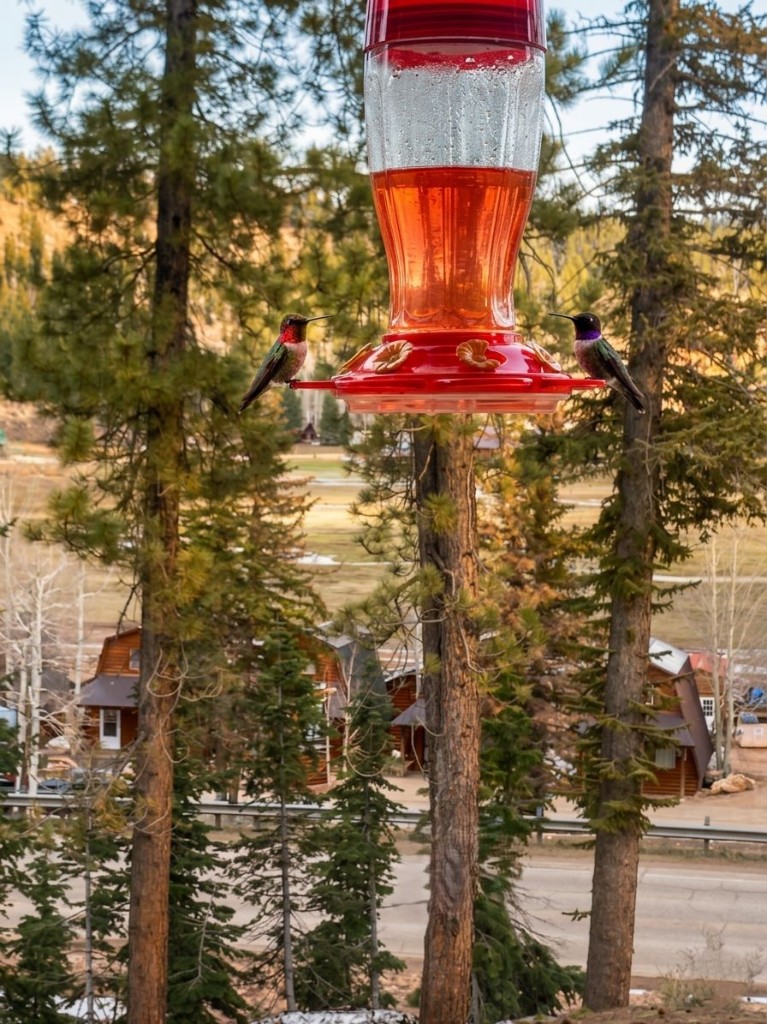
Mule deer graze the meadow across from Duck Creek Village Inn most evenings, and Broad-tailed, Black-chinned, and Rufous hummingbirds work the feeders on the deck from late May into September. Within 25 minutes you can add elk bugling at the meadow edges in September, yellow-bellied marmots and pikas on the Cedar Breaks rim, and Clark's nutcrackers, Steller's jays, and mountain bluebirds in the aspen and spruce.

Quick facts

At the inn Hummingbird feeders on the deck; mule deer in the meadow across the road
Elk rut Early September to mid October, best before sunrise (Utah DWR, Wild Aware Utah)
Cedar Breaks 50 mammal and 108 bird species recorded by the National Park Service
Hunting overlap Rifle hunts on Cedar Mountain through October; wear one orange layer
Bears Black bears only. Keep food and scented items in a locked vehicle (Utah DWR)

Good to know

  • Deer: the meadow across the road from the inn at dawn and in the last hour of light, all year.
  • Hummingbirds: the deck feeders, late May into September. Rufous show up from late July on their way south.
  • Elk: listen at dawn from any meadow edge, Deer Hollow to Strawberry Point, early September to mid October.
  • Marmots and pikas: the rock fields along the Cedar Breaks rim, 20 minutes away, June through September.
  • Birding: Aspen Mirror Lake and Navajo Lake for water and forest edge, the Cedar Breaks rim for high-elevation species.
  • Black bears and mountain lions live here and are rarely seen. Store food in the car, not the tent, and keep dogs close.

Start on the deck. The feeders draw Broad-tailed, Black-chinned, and, from late July, Rufous hummingbirds, and the meadow across the road holds mule deer most evenings. That is the easy part. The village sits at 8,400 feet on the Markagunt Plateau inside Dixie National Forest, and the plateau holds elk, black bear, mountain lion, wild turkey, marmots, pikas, and more than a hundred bird species. Most of it is a short drive away and shows itself in the first and last hour of daylight. This page covers what lives here, where to look, and when.

Highlights

  • Hummingbirds at the inn. Broad-tailed (the loud wing trill) and Black-chinned from late May, Rufous passing through from late July into September. First light and the hour before dark are busiest.
  • Mule deer. The meadow across the road from the inn, dawn and dusk, all year. Does with fawns in June and July. They are used to people; do not close the distance or feed them.
  • Elk. Meadow edges from Deer Hollow to Strawberry Point and the Navajo Lake basin. Bulls bugle from early September to mid October, mostly before sunrise and after sunset. Sit still and listen; they are usually a few hundred yards off.
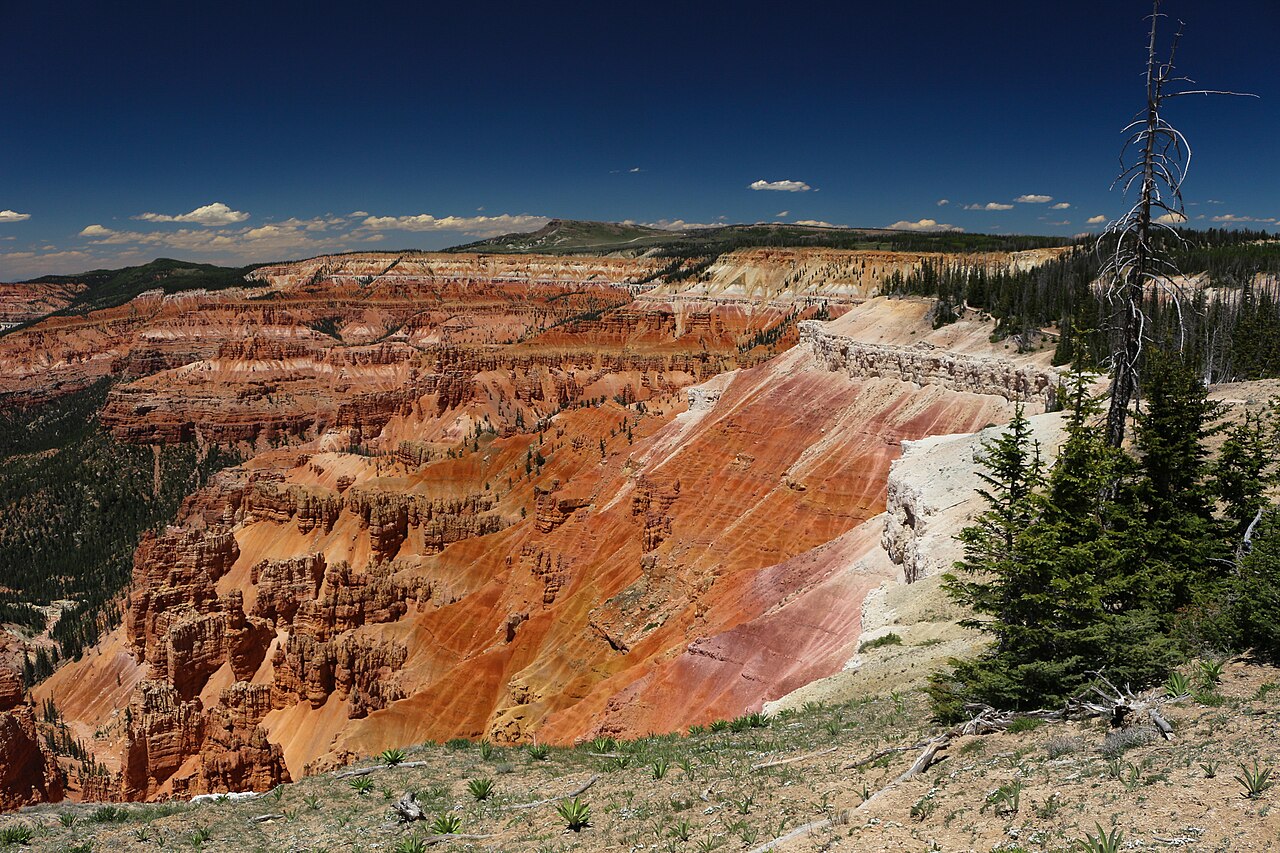
  • Marmots and pikas at Cedar Breaks. Yellow-bellied marmots sun on the rocks below the overlooks. Pikas call from the rock fields along the rim above 10,000 feet. The Alpine Pond and Spectra Point trails pass through both. June through September; Highway 148 closes for winter.
  • Forest birds. Clark's nutcracker, Steller's jay, mountain chickadee, and mountain bluebird in the aspen and spruce-fir. Violet-green swallows along the Cedar Breaks amphitheater walls. White-crowned sparrows in the meadows.
  • Raptors and owls. Red-tailed hawks over the meadows, golden eagles along the Cedar Breaks rim, peregrines on the cliffs north of the monument, and northern goshawks nesting in the Dixie forest. Great horned owls call year-round after dark. Flammulated owls, tiny and almost never seen, breed in the aspen and pine and are heard on summer nights.
  • Wild turkeys. Merriam's turkeys, established in Kane County from Colorado birds, forage in the ponderosa and along forest roads. Spring and fall are the easy seasons.
  • Small mammals. Golden-mantled ground squirrels and chipmunks at every trailhead, mountain cottontails at the sage edges, porcupines in the trees, badgers and coyotes in the open meadows at dusk, and the occasional red fox.
  • Rarely seen. Black bears and mountain lions live across the plateau. Sightings are uncommon; tracks and scat are not. The Park Service lists both for Cedar Breaks and the Forest Service for the district.
  • Utah prairie dogs. A threatened species found nowhere else on earth. The reliable place to see a colony is the meadow beside the Bryce Canyon visitor center, an hour east, March to October.

Tips

Keep 25 yards from deer and turkeys and 100 yards from elk, bears, and anything with young. Back off if an animal stops feeding to watch you. Do not feed wildlife, including the deer. A bull elk in rut will charge a person or a dog that gets close. Leash the dog and shorten the lead when you see anything. If you camp, keep food, coolers, and scented items in a locked vehicle, never in the tent. Drive Highway 14 slowly at dusk and after dark. Deer cross the road below the village and through Cedar Canyon, and November is the worst month for collisions in Utah. Hunting seasons run from mid August through early November, with rifle hunts on both sides of the highway in October, so wear one orange layer on forest walks and keep the dog visible. Utah DWR, Wild Aware Utah, and the Dixie National Forest publish the rules. They are short and worth reading before a fall trip.

When to go

Summer, June through August: hummingbirds, nesting songbirds, marmots and pikas at Cedar Breaks, deer with fawns. Fall, September and October: the best window. Elk bugle, the aspens turn, deer and turkeys move, and the Rufous hummingbirds pass through. Winter, November through April: quiet. Deer and elk drop to lower ground, the Cedar Breaks road closes, and the plateau shows tracks in the snow and the winter birds, chickadees, nutcrackers, and ravens. Spring, May: hummingbirds return around Memorial Day, turkeys gobble, and the meadows green up as the snow leaves.

What to bring

  • Binoculars, 8x or 10x. Most of what you will see is 100 yards out
  • A warm layer for dawn. Mornings at 8,400 ft are cold even in July
  • A thermos of coffee for the deck. The hummingbirds start at first light
  • One orange hat or vest for forest walks from late September through early November

Stay planning

Once this stop is on your list, use Plan Your Days for itinerary ideas or compare our rooms and cabins to match the style of trip you want.

July 2026

Why trust this guide

We shape these Duck Creek guide pages around the route, timing, and packing questions guests ask before they book. Before you drive, cross-check seasonal access and weather with the official resources here.

Planning Wildlife & Nature

The questions trip planners usually ask next.

When do the elk bugle near Duck Creek Village?

From early September to mid October, with the loudest mornings in the second half of September. Bulls call most before sunrise and after sunset. Park at a meadow edge along Highway 14, the Navajo Lake road, or the Deer Hollow and Strawberry Point roads, turn the engine off, and listen. The elk are usually a few hundred yards off in the trees, so binoculars matter more than a camera.
Are there bears in Duck Creek Village?

Yes. Black bears live across the Markagunt Plateau and the Park Service and Forest Service both list them for this area. Sightings are uncommon. Utah has no grizzlies. Keep food, coolers, and anything scented in a locked vehicle or a hard-sided building, never in a tent, and do not leave trash out overnight. If you see one, give it room and let it leave.

Where can I see hummingbirds in Duck Creek Village?

The feeders on the deck at Duck Creek Village Inn are the easiest place. Broad-tailed hummingbirds, the ones with the loud wing trill, and Black-chinned hummingbirds arrive around Memorial Day and stay into September. Rufous hummingbirds pass through from late July into September on their way south and will bully the others off the feeder. First light and the hour before dark are busiest.

Where are the best birding spots near Duck Creek Village?

Three places cover most of it. Aspen Mirror Lake, five minutes away, gives you water, aspen, and forest edge on a half-mile walk. Navajo Lake adds open water and a longer shoreline. The Cedar Breaks rim, 20 minutes away and above 10,000 feet, is where you find Clark's nutcrackers, violet-green swallows along the amphitheater walls, golden eagles, and the high-elevation species that do not come down to the village. Go early; the birds and the light are both better before 9 am.

Do I need binoculars?

For the deck, no. For everything else, yes. Deer in the meadow, elk at a tree line, marmots on the rocks below a Cedar Breaks overlook, and a nutcracker at the top of a spruce are all 100 yards or more away. An 8x42 pair is the standard choice and works for kids too.

Is it safe to hike with a dog around the wildlife here?

On leash, yes. Dogs are welcome on the Dixie National Forest trails around the village. Shorten the lead when you see deer, elk, or turkeys, and never let a dog run at anything. A cow elk with a calf or a bull in rut will go after a dog and the person holding it. Cedar Breaks National Monument allows pets on one short trail only. In fall, a bright vest on the dog helps hunters see it.

Stay Here, Explore Wildlife & Nature Tomorrow

Book your room or cabin at Duck Creek Village Inn and keep Wildlife & Nature within easy reach during your stay.

10% off direct with code · stays through Dec 1, 2026 Best rate direct · Reserve now, pay later

Call Us · 435-990-5488