A host-style Cedar Breaks trail guide from Duck Creek Village Inn: when to choose Sunset Trail, Nature Trail, Alpine Pond, South Rim, Point Supreme, the Visitor Center, and Sunset View Overlook.
Start at Point Supreme, then choose the day in front of you
The official trail table gives the distances. The useful part is matching those facts to the group standing in your room at Duck Creek Village Inn: kids who need a short win, a dog that can only go where NPS allows pets, grandparents who want the view without a rim hike, or hikers who came prepared for South Rim.
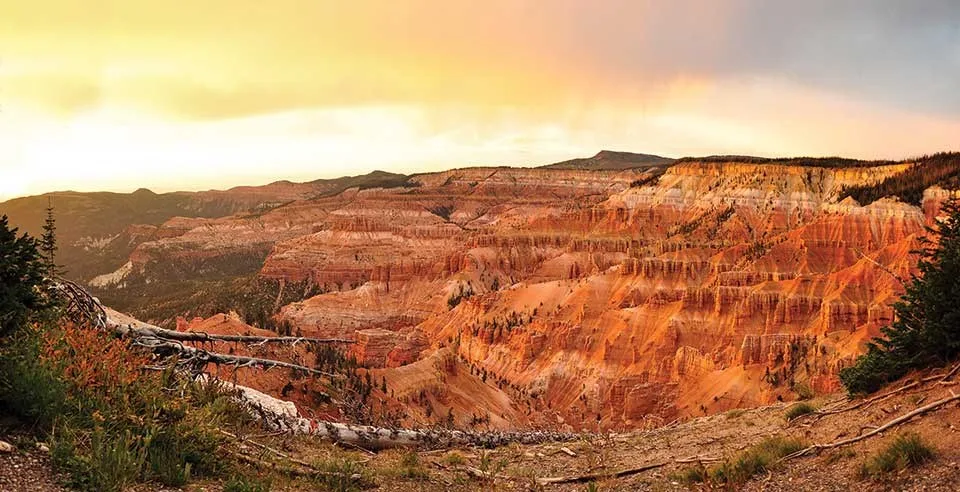
Point Supreme is the cleanest first stop because it is Cedar Breaks’ primary overlook, sits at 10,350 feet, and anchors the summer visitor services area. Start there, use the Visitor Center during its open season, look at the sky and trail status, then choose the route. At Cedar Breaks, a short mileage number can still feel bigger because the trailheads all sit above 10,000 feet and the air asks for a slower pace.
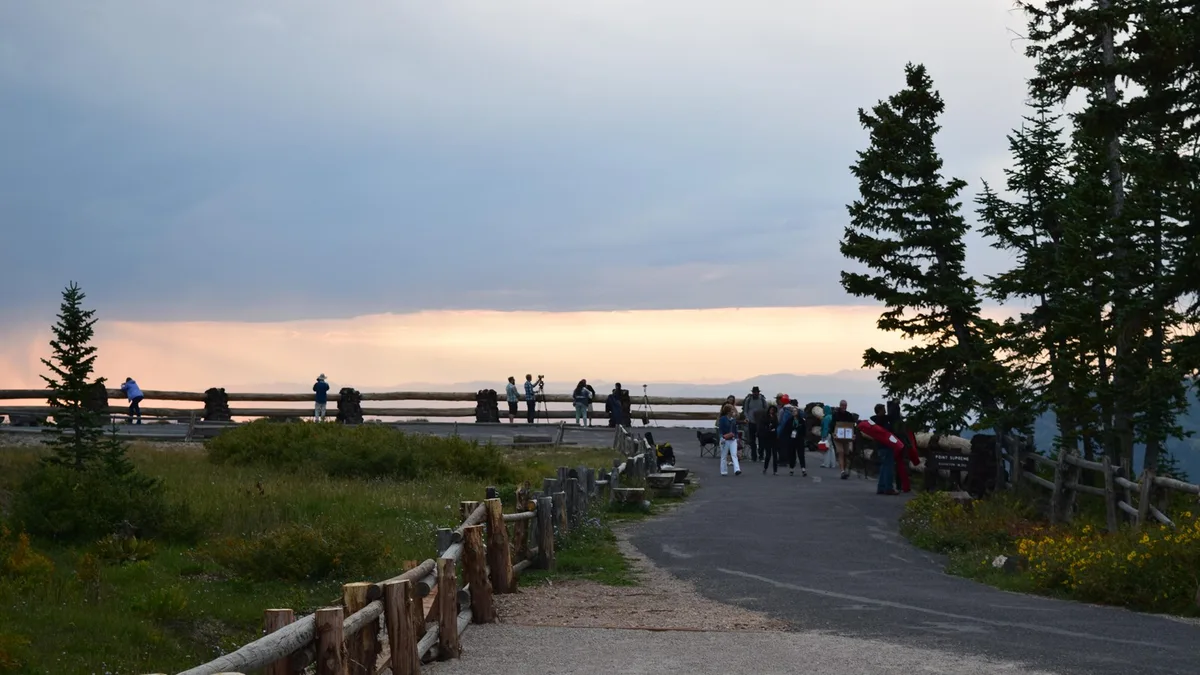
Use this as the quick decision filter. Choose Sunset Trail when the group needs pavement, a dog-approved walk, rest areas, or a simple route between Point Supreme and Sunset View. Choose Nature Trail when you want a short, unpaved nature walk near Point Supreme without the longer South Rim commitment.
Choose Alpine Pond Loop when the live trail report supports it and your group wants forest, meadow, wildflowers, and a pond option. Choose South Rim only when your hikers already want distance, altitude, and rim exposure. Choose Point Supreme, Sunset View, Chessman Ridge, and North View when time, weather, or closures make overlook stops the smarter plan.
Sunset Trail: the dependable choice for dogs, kids, and mixed-energy groups
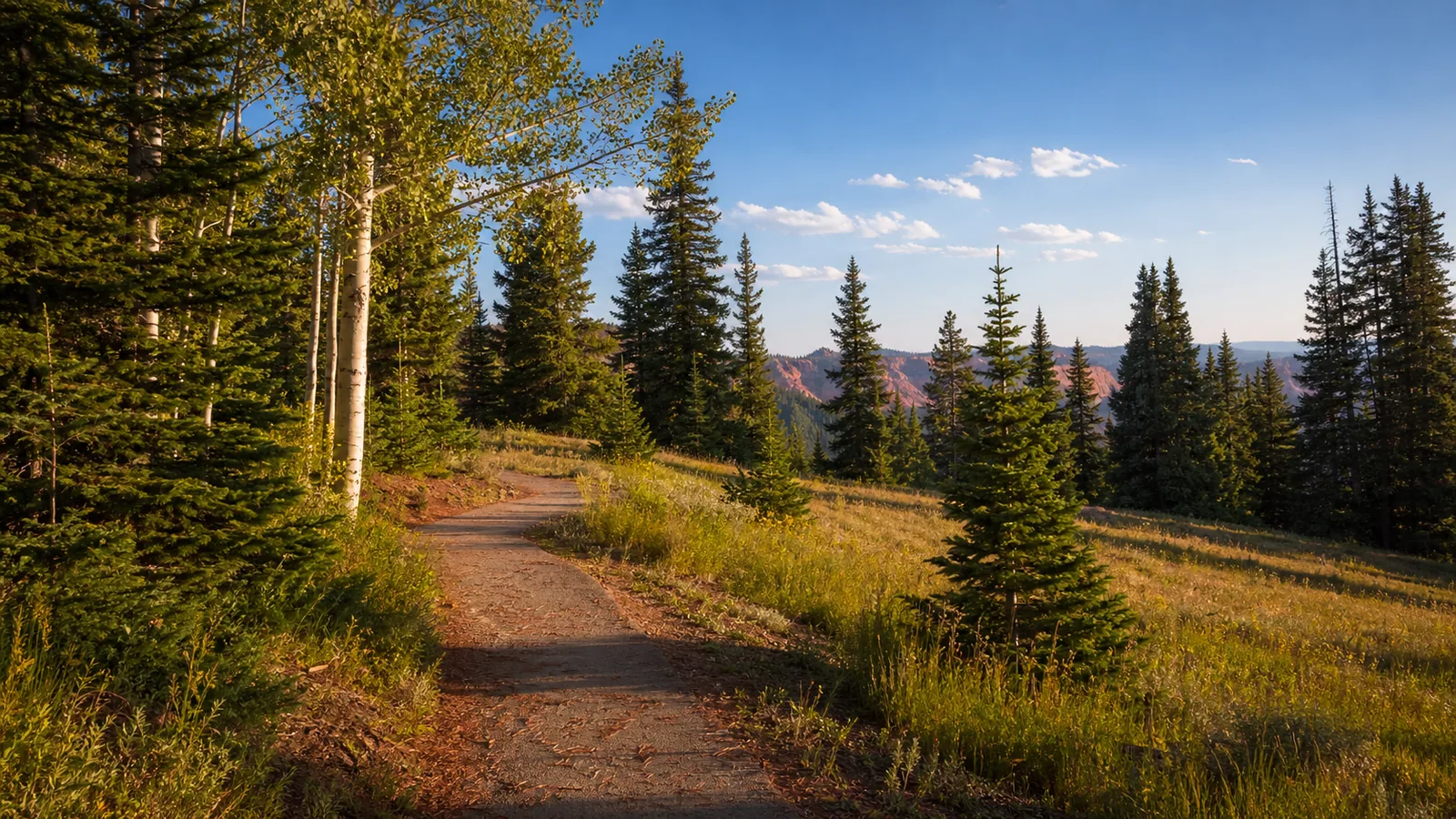
Sunset Trail is the Cedar Breaks walk to keep in your back pocket. NPS lists it as a 2-mile, 60-minute accessible paved trail between Point Supreme Overlook and Sunset View Overlook, with gentle slopes, rest areas, and a picnic area near the middle. That makes it the steadier recommendation when one person wants a hike and someone else wants a view without committing to dirt, distance, or steep grades.
It is also the key dog rule at Cedar Breaks. NPS allows pets on Sunset Trail and on paved areas, paved overlooks, and parking lots. Pets must be on a leash no longer than 6 feet, and NPS does not allow them on unpaved trails or inside park buildings. That means no Nature Trail, Alpine Pond, or South Rim for a pet walk.
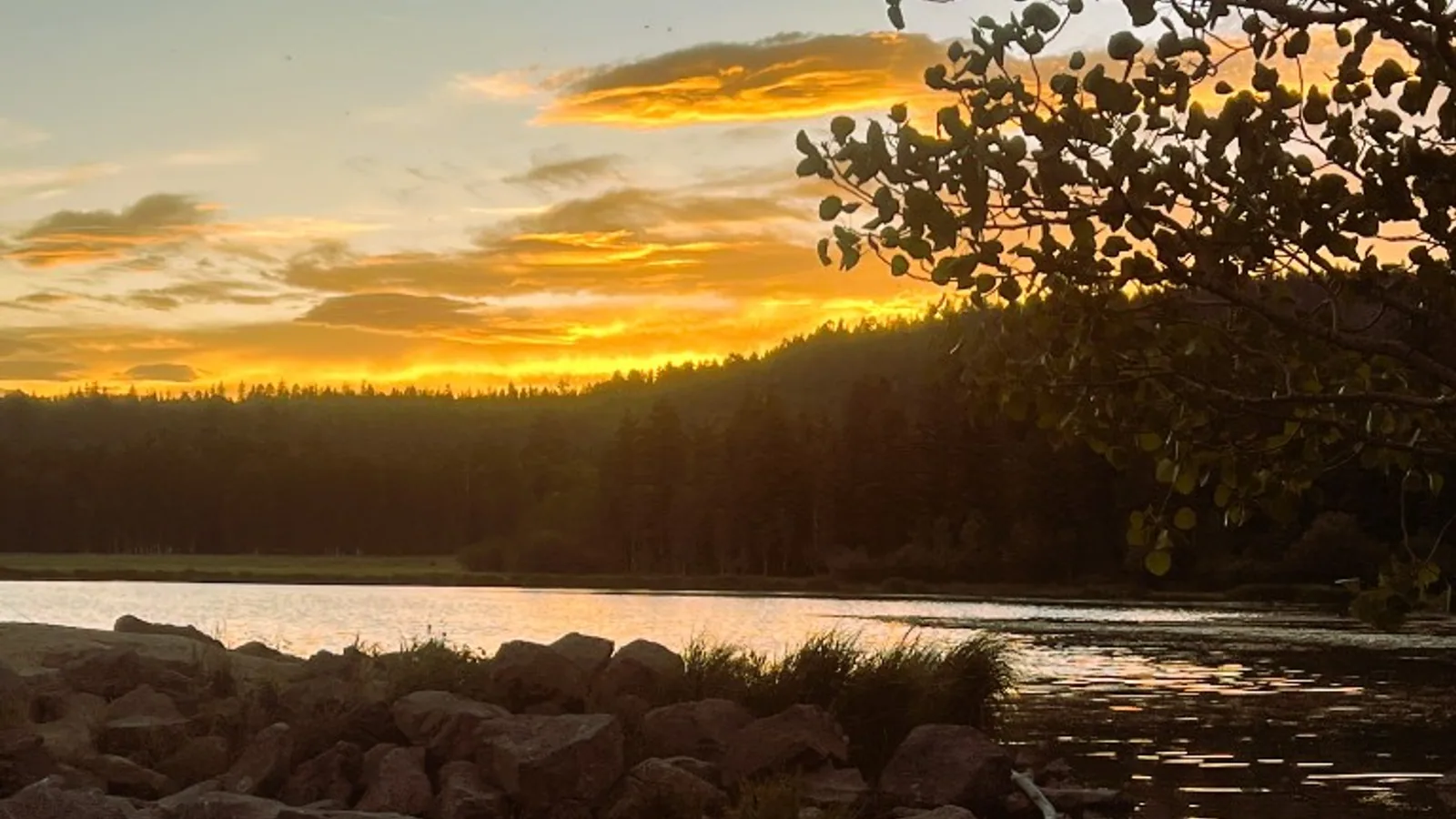
For sunset, use Cedar Breaks’ Sunset View Overlook. Bryce Canyon has a Sunset Point; Cedar Breaks uses Sunset View. If someone in your group says “Sunset Point,” this is the Cedar Breaks stop they likely mean. Use our Cedar Breaks sunset and stargazing guide if the evening light and dark skies are the whole plan.
Nature Trail: the short walk when Point Supreme feels too quick
Nature Trail is the small route many visitors skip because it is not the big-name hike. NPS lists it at 0.6 miles and about 30 minutes. This unpaved route connects Point Supreme Campground with Sunset Trail near Point Supreme.
Choose it when your group wants a quieter, wilder-feeling walk close to the main overlook area. It is good for kids who need a short leg-stretcher, or with adults who want birds, wildlife, and forest texture without turning the outing into South Rim. Skip it with dogs because the NPS pet rule keeps pets on paved areas and Sunset Trail.
Alpine Pond Loop: the meadow-and-forest choice when the live report agrees
Alpine Pond Loop is the trail to save for visitors who want Cedar Breaks to feel like more than a roadside overlook. NPS lists two options: a 1-mile loop of about 1.5 hours or a 2-mile loop of about 2.5 hours. The route forms a figure eight through forest and meadows.
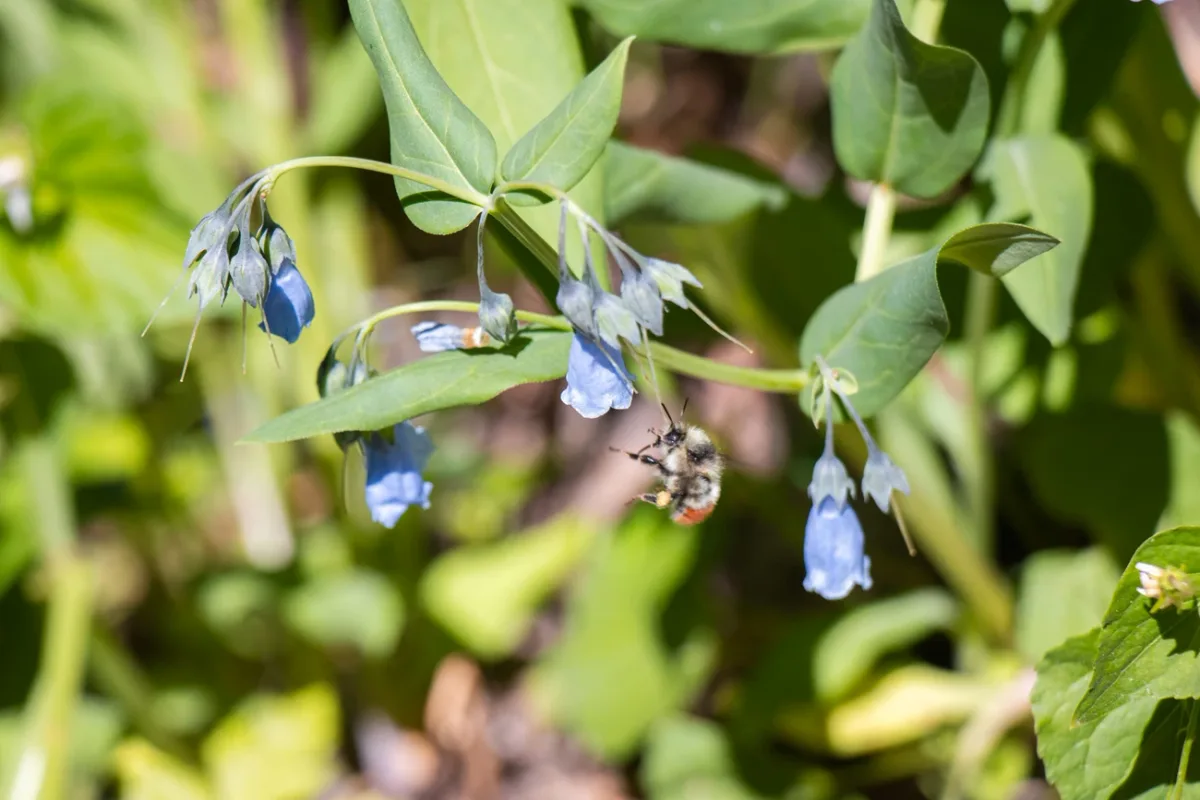
The lower trail gives amphitheater views and reaches Alpine Pond. The upper trail focuses more on meadow, native wildflowers, spruce-fir-aspen forest, and ancient volcanic deposits. That split is why Alpine Pond can work for groups with kids when conditions are good: you can choose the shorter version, but you still need to respect mud, snow, and closure signs.
Check the official Cedar Breaks current conditions page the morning you go. The NPS page last updated May 21, 2026 listed Sunset Trail and the upper portion of Alpine Pond Loop open, while South Rim and the lower portion of Alpine Pond Loop remained closed because of hazardous early-season snow, mud, and downed trees. Treat that as a live planning habit, not a permanent status.
For more detail on this specific route, pair this post with our Alpine Pond Trail guide.
South Rim Trail: excellent, but not the default kid-ready answer
South Rim Trail is the bigger Cedar Breaks hike. NPS lists it as 5 miles and about 4 hours, beginning around 10,500 feet. Spectra Point is the first major decision point at 1 mile. Ramparts comes at 2 miles. Bartizen sits at 2.5 miles.
The distance can look manageable until you remember the return. NPS rates the route moderate to strenuous, and hikers must climb back. Dogs are not permitted. Ramparts also deserves real caution: there are no railings, and the edges are steep and unstable.
Do not hand this trail to every group with kids just because the first mile sounds short. Choose South Rim for hikers who already want distance, altitude, and rim exposure, carry water and layers, and feel comfortable turning around when weather, altitude, or closures change the day.
Visitor Center, overlooks, and the plan when trails are not the point
The Visitor Center sits at Point Supreme. In season, it is where you can talk with a ranger, pay the entrance fee, pick up a Junior Ranger booklet, buy or use a pass, browse the park store, and get a passport stamp. The NPS current conditions page said the new Visitor Center, Zion Forever Park Store, and Human History Museum would reopen for the season on May 22, 2026, and it also notes the routine building closure from mid-October to late May. Check the current conditions page before a shoulder-season trip.
The overlooks are why Cedar Breaks still works when hiking is not the best call. Point Supreme gives the main first view. Sunset View is the evening-light stop. Chessman Ridge and North View add variety without asking everyone to hike. On the May 21, 2026 NPS update, all roadside overlooks, including Point Supreme, Sunset View, and Chessman Ridge, had road-based vehicle access.
If you have a short window with kids, use this sequence: Visitor Center and Point Supreme first, Sunset Trail if pavement or pets matter, then Sunset View Overlook for late-day color. If NPS lists Alpine Pond as open and the group wants a fuller outing, add the shorter loop. Save South Rim for a day when conditions, time, and legs all agree. Our Cedar Breaks overlooks and Visitor Center guide is the better companion if your group wants viewpoints more than trail mileage.
Why Duck Creek Village Inn is the right base for this kind of Cedar Breaks day
Duck Creek Village Inn works because Cedar Breaks rewards flexibility. You can make the monument a focused morning, a sunset outing, or one piece of a broader high-country day without making the whole trip depend on one trail being open.
That matters when the live report changes. If NPS closes South Rim or part of Alpine Pond, the day can shift to overlooks, Sunset Trail, Navajo Lake, or a slower Duck Creek afternoon without feeling like a failure. Use our Cedar Breaks day plan to shape the route, then choose cabins if your group wants more room for hiking gear, snacks, layers, and a dog-friendly travel rhythm.
Check the official NPS trail and conditions pages the morning you go, then let Duck Creek be the calm part of the plan.