Duck Creek Ice Cave sits in a limestone sinkhole on the Markagunt Plateau, holding ice through most of the summer at 8,820 feet. A short walk, a rope-assisted descent, and you step into a 40-degree room carved by centuries of cold air and snowmelt.
A Cold Trap on the Markagunt Plateau
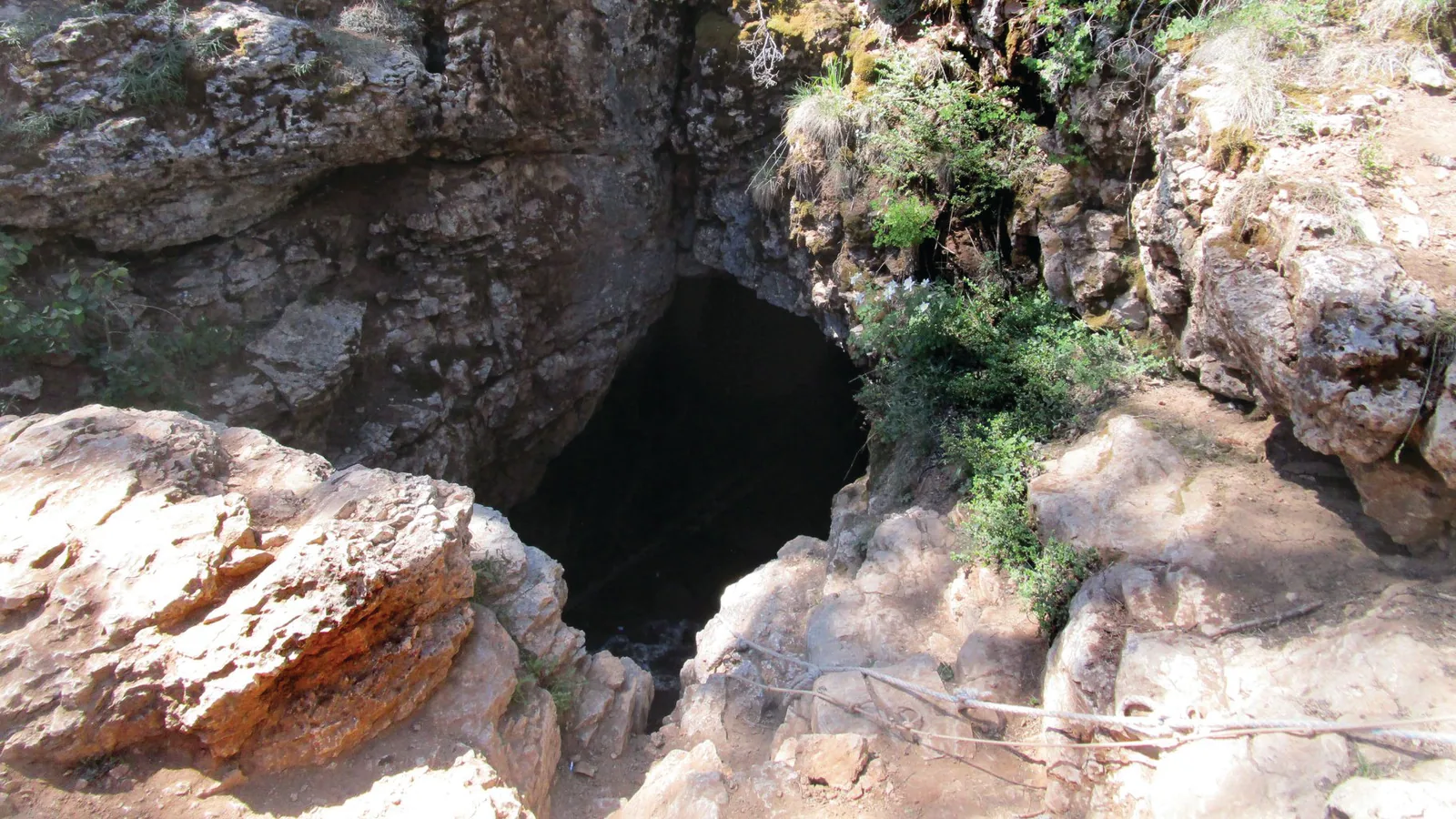
About 20 minutes from Duck Creek Village, a small limestone sinkhole opens into one of Southern Utah’s more unusual stops. Duck Creek Ice Cave sits at 8,820 feet on the Markagunt Plateau, and the Utah Geological Survey classifies it as a “cold trap” cave. Cold, dense air sinks into the chamber during winter and stays put through summer. Snow falls into the opening, packs down, and the accumulated ice mass absorbs heat energy before it can warm the cave air. The result: a single room that holds around 40 degrees Fahrenheit even while the plateau bakes in August sun.
The cave measures about 60 feet by 40 feet with ceilings around 15 feet. Portions of the floor carry ice through most of the summer, though by late August in warmer years the ice can thin out. Pioneers used this natural cold storage to keep food fresh, and an 1899 Salt Lake Herald article described “an immense bluish ice column just inside the entrance” measuring eight feet across.
Getting There from Duck Creek Village
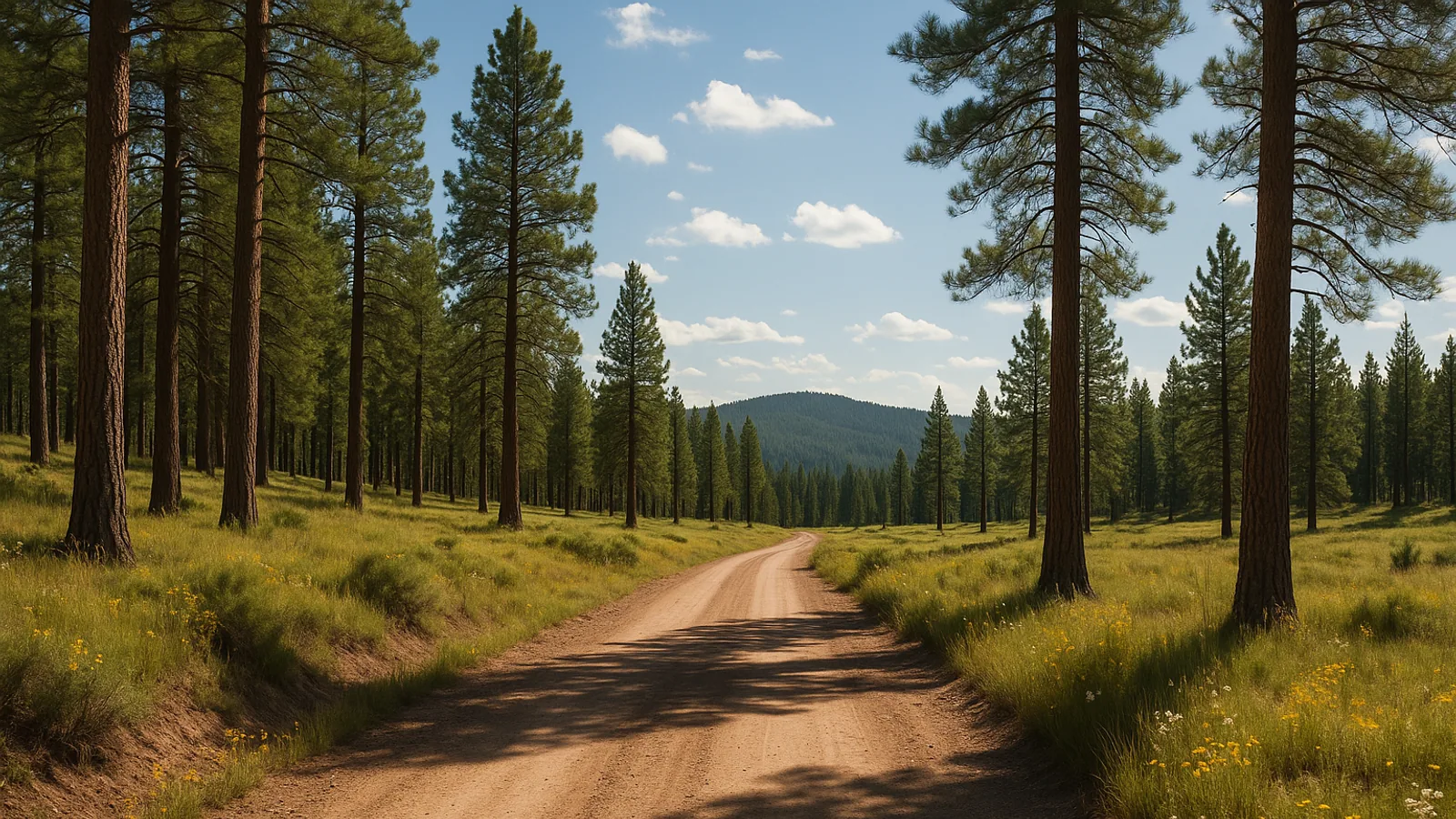
From Duck Creek Village, take Highway 14 east. Watch for the signed Duck Creek Ice Cave turnoff on your right. From the highway, follow the dirt road about one mile to a small pulloff parking area. The road surface varies with weather, and after heavy rain you may want higher clearance. Check with the Dixie National Forest’s Duck Creek Visitor Center for current conditions before heading out.
The cave sits about 100 yards up a short trail from the parking area. The descent into the cave entrance is steep, and someone has fixed a rope as a handline. The rocks get slick from moisture, so grip matters more than fitness here. Plan on about 30 minutes total, including the walk in, time underground, and the climb back out.
What You Will Find Inside
The chamber is a single horizontal room with no branching passages and no serious caving skills required. The floor has patches of ice and frozen ground, and in good years you can see ice formations clinging to the walls and ceiling. The cold hits right away. You feel it in your lungs before your eyes adjust to the dim light.
Kids can visit with supervision, though the rope descent needs careful footing and younger children may need a hand on the steeper section. The cave floor stays uneven, so sturdy shoes matter more than you might expect for a 100-yard walk. Leave the flip-flops in the car.
No fees, no restrooms, no picnic tables, and no trash cans at the site. Pack out everything you bring in.
The Geology Behind the Ice
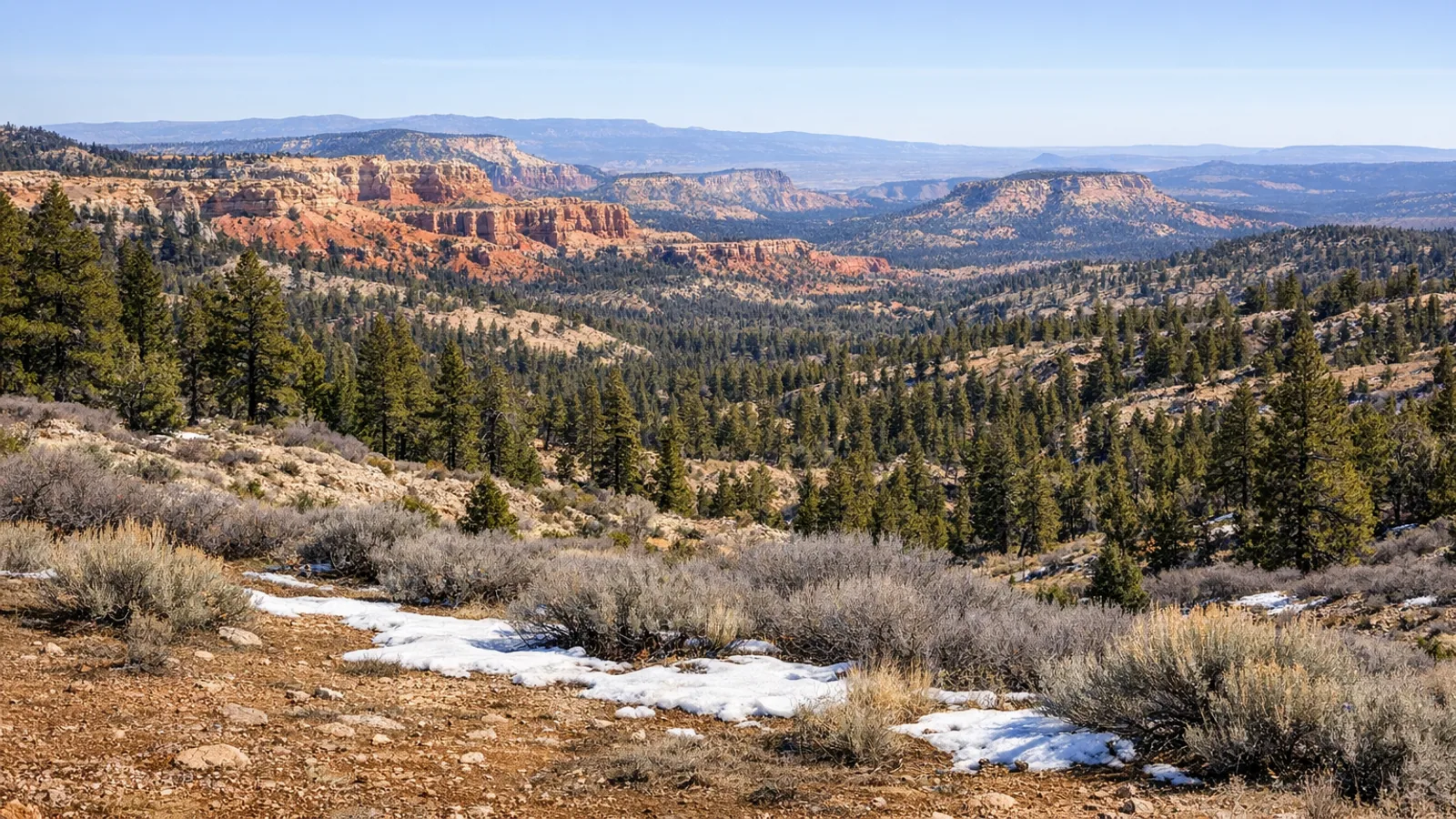
The Markagunt Plateau formed through volcanic activity and sits on top of the Claron Formation limestone that also shapes Cedar Breaks National Monument. Water dissolves this limestone over time, creating sinkholes, springs, and underground voids. Duck Creek Ice Cave formed in one of these karst depressions.
The cave works as a cold trap because its single entrance sits above the chamber floor. Cold winter air, denser than warm air, flows downhill into the cave and pools at the bottom. In summer, warm air stays above the entrance while the heavy cold air remains trapped below. The Utah Geological Survey describes this thermal inertia effect: once a cave builds up a large mass of ice and chills the surrounding bedrock, those frozen reserves carry the cold through months of warm weather.
Pair It with Other Stops Nearby
Duck Creek Ice Cave makes a good first stop on a day that includes other Markagunt Plateau caves and trails. Mammoth Cave, one of Utah’s largest lava tubes, sits about 15 minutes away and gives you a full quarter-mile of underground passage to walk. Navajo Lake is an easy afternoon addition, and Cascade Falls pairs well if you want a short above-ground hike to round out the day.
For a full Southern Utah cave day, add Mossy Cave at Bryce Canyon, about an hour south, where a short walk leads to a waterfall grotto tucked into the red rock.
Planning Your Visit
The ice cave is accessible from late spring through fall, depending on snow levels and road conditions. Summer brings the best cave conditions, with the most ice still intact and the sharpest temperature contrast when you step underground. Fall visits work well too, though the ice may have thinned by then.
Pack sturdy shoes, a headlamp, gloves (the rope can be rough on bare hands), and a warm layer. Water and snacks for the car are smart since the site has no services.
For trailhead directions, current access notes, and what to bring, see our full Duck Creek Ice Cave guide.
Duck Creek Village Inn puts you about 20 minutes from the ice cave, with every Markagunt Plateau trail and lake within easy reach of your door. Book a room for the night, hit the cave early before the midday heat, then spend the afternoon on the water or riding ATV trails through the aspens.
Sources
- Utah Geological Survey, “Glad You Asked: What Are Ice Caves?” (geology.utah.gov)
- USDA Forest Service, Dixie National Forest (fs.usda.gov)
- Duck Creek Ice Cave photos by Linda and Paul Hoernke via Utah Geological Survey