
Things to Do · Duck Creek Journal
The Perseids at 8,400 Feet: Watching the August Meteor Shower Above the Monsoon
The 2026 Perseids peak on a moonless night, the darkest one in years, and Duck Creek sits at 8,400 feet with the kind of sky that makes it count. Here's when to go, where to stand, how to read the monsoon, and why elevation puts you above the haze the desert below is stuck under.
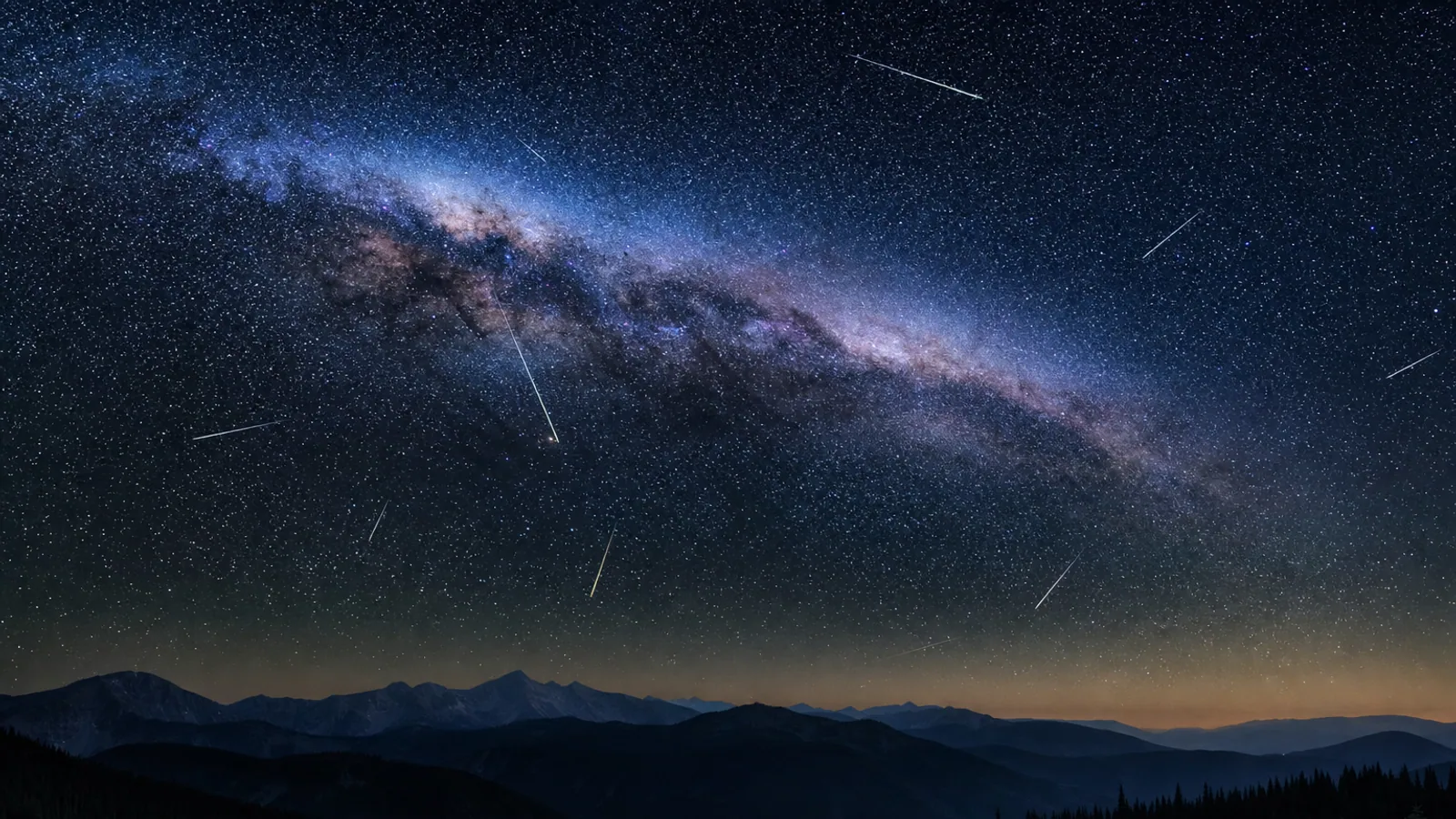
Most people watch the Perseids from a backyard where the neighbor’s porch light washes out half the sky, and they see a dozen streaks over a couple of hours and call it a shower. That is not the Perseids. The Perseids are what happens when you finally get a dark sky over your head and let your eyes settle into it, and southern Utah has one of the darkest skies in the country sitting right above Duck Creek.
This year makes the drive worth it more than usual. The 2026 peak lands on the night of August 12 into the morning of the 13th, and the moon is brand new that same day. No moon means no natural light in the sky, which astronomers are calling the best Perseid conditions since 2018. Under a sky that dark, at 8,400 feet on Cedar Mountain, you see the shower at full strength.
When to go
The shower is active for weeks, from about the middle of July through the end of August, so you do not have to hit the single peak night to have a great show. That flexibility lets you plan around weather and your own sleep instead of gambling everything on one date.
That said, the peak is the peak for a reason. On the night of August 12-13, Earth plows through the densest part of the debris, and under a dark sky the rate can climb toward a hundred meteors an hour. The catch is timing within the night. The show is thin before midnight and builds through the small hours, because the radiant, the point the meteors appear to come from, climbs higher in the northeast as the night goes on. The richest window is from about 2 a.m. until the sky starts to gray before dawn. If you are only going to stay up for one stretch, make it that one.
If clouds move in on peak night, or you cannot swing a 2 a.m. wake-up, the nights on either side of it, say the 10th through the 14th, still deliver a strong show with the same moonless sky. A quieter night before or after the peak with clear air beats a peak night under a thunderhead every time.
Why the elevation does the work
Here is the part that separates Duck Creek from watching down in the valley. As the monsoon pushes moisture into southern Utah, the low country around St. George and the desert floor often sits under a layer of haze and leftover cloud after a storm. Up on Cedar Mountain at 8,400 feet you are often above that layer, looking at a cleaner, blacker sky while the towns below are still fogged in.
Thin, dry, high air is better for stars. There is less atmosphere and less moisture between you and space, so fainter meteors that would vanish in the murk down low still register up here. Pair that with dark surroundings and no city glow on the horizon, and you get the faint streaks and the bright fireballs both, instead of only the handful bright enough to punch through light pollution.
If you want the certified version of that darkness, Cedar Breaks National Monument is a short drive up the road and sits above 10,000 feet. It has been an International Dark Sky Park since 2017, and the rangers run free star parties on Friday and Saturday evenings through the summer, a fixture on any list of things to do around Duck Creek. It is a spectacular place to look up, though for peak night you will want to check its overnight access and gate hours first. For the meteor peak itself, a dark clearing near your cabin at Duck Creek is often the easier call, since you can walk back to a warm bed the moment you have had your fill.
Where to stand and how to prep
Finding a good spot is less about a secret pullout and more about three simple things. You want an open view low to the northeast, where the radiant sits, though meteors will streak across the whole sky, so the more open horizon you have the better. You want to be away from any direct light, including your own cabin windows and car dome light. And you want to be able to lie back, because craning your neck for an hour is how people give up early. A reclining camp chair or a blanket on the ground beats standing every time.
The most common mistake has nothing to do with location. It is your own eyes. Full dark adaptation takes a solid 20 to 30 minutes, and one glance at a bright phone screen resets the clock. Put the phone away, or switch it to a dim red-light mode, and the show gets better the longer you sit with it.
Then dress for the wrong season. This trips up almost everyone. An August afternoon on the mountain can be shirtsleeve warm, but at 8,400 feet the temperature falls hard after dark, and a still, clear night, the kind you want for meteors, is the coldest kind. Plan for the 40s, bring a real jacket, a hat, and a blanket, and put a thermos of something hot next to the chair. Warm and patient sees far more meteors than cold and restless.
Duck Creek makes all of this easy in a way a campground two hours away does not. You watch from your own dark clearing, come inside to a warm cabin when you are done, and sleep in instead of packing up a wet tent. If the pre-dawn habit takes hold, the run down to Bryce Canyon for sunrise is the natural next morning, and by early fall the same dark nights come with elk bugling on Cedar Mountain.
The moon will not line up this well again for years. Pick your night, book a cabin at Duck Creek Village Inn, and give yourself the sky the way it was meant to look. Have a look at our cabins and rooms, then tell us which night you are watching and we will make sure you are set up for it.
 Trip Planning
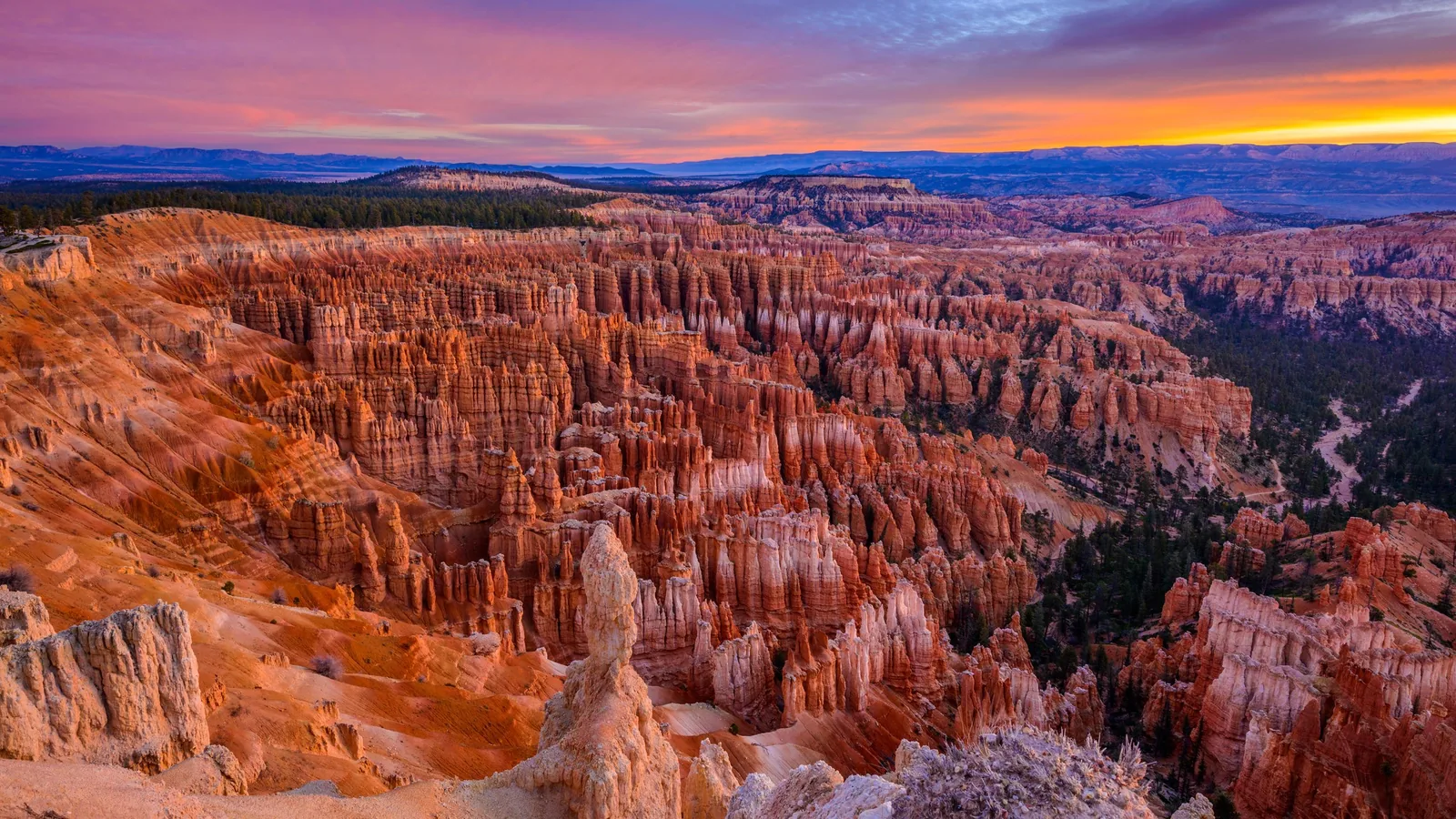
 Bryce at Sunrise, Back for Breakfast: The Pre-Dawn Run From Duck Creek
Sunrise is the best hour at Bryce Canyon and the emptiest, and from a cabin in Duck Creek it's an hour's drive instead of a hotel-town scramble. Here's the exact alarm-to-rim math by season, where to stand, and how to be back in the village for a real breakfast.
 Things to Do
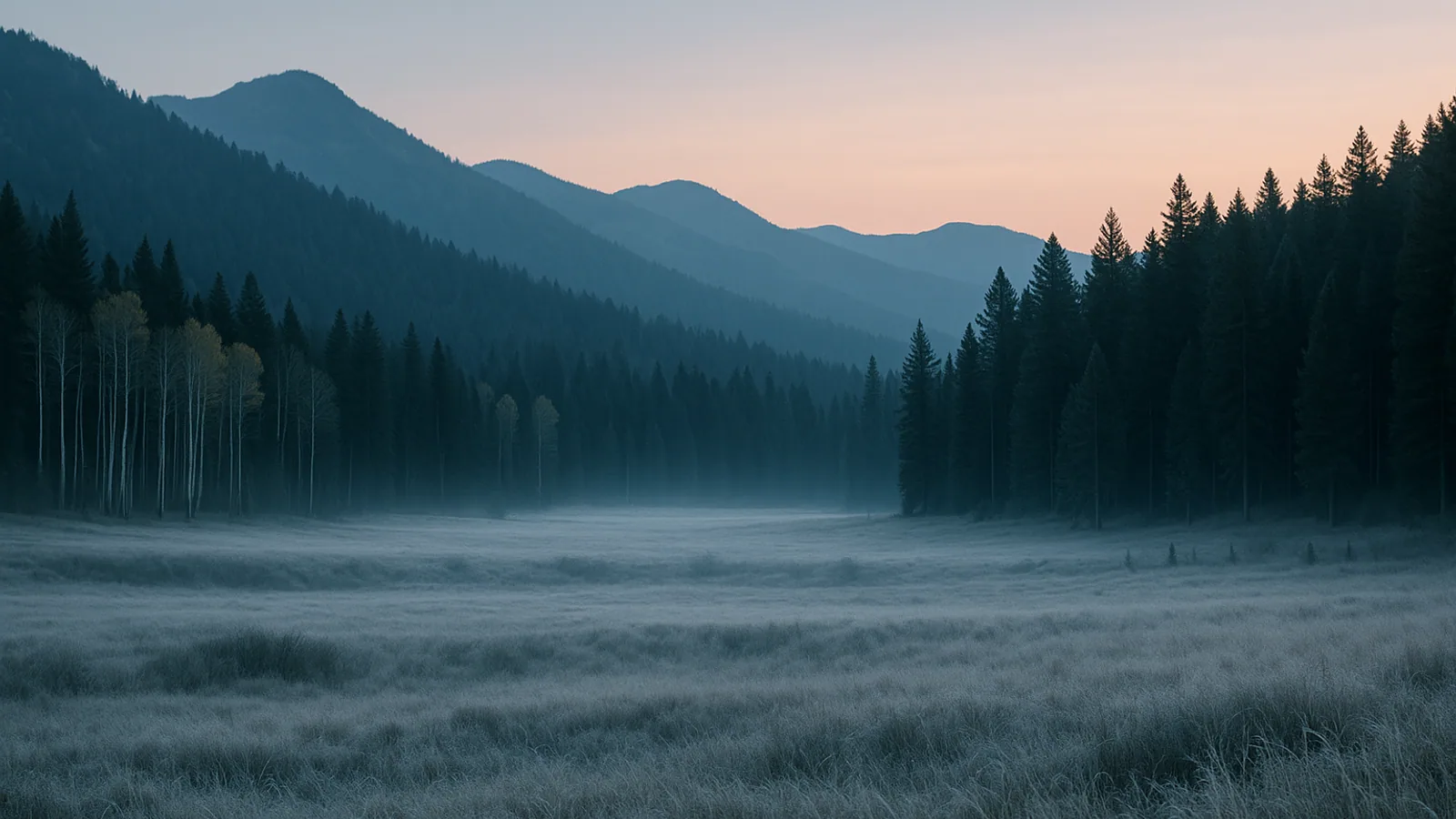
 The Bugle at First Light: Watching Elk on Cedar Mountain in September
From early September into October the plateau meadows fill with the sound of bull elk at dawn. Here is when to set the alarm, where to stand, and how close is too close, written for guests who want to watch, not hunt.
 Trip Planning
 Things to Do in Duck Creek, Utah: Lakes, Lava Caves, Dark Skies, and Better Day Plans
Plan Duck Creek with easier lake stops, lava caves, Cedar Breaks views, and the right lodging base for Bryce, Zion, and slower mountain days.
Book the basecamp
When the trip idea is taking shape, Duck Creek Village Inn makes an easy base between slower mountain time and bigger Southern Utah days.