Things to Do · Duck Creek Journal
The Bugle at First Light: Watching Elk on Cedar Mountain in September
From early September into October the plateau meadows fill with the sound of bull elk at dawn. Here is when to set the alarm, where to stand, and how close is too close, written for guests who want to watch, not hunt.
In this story
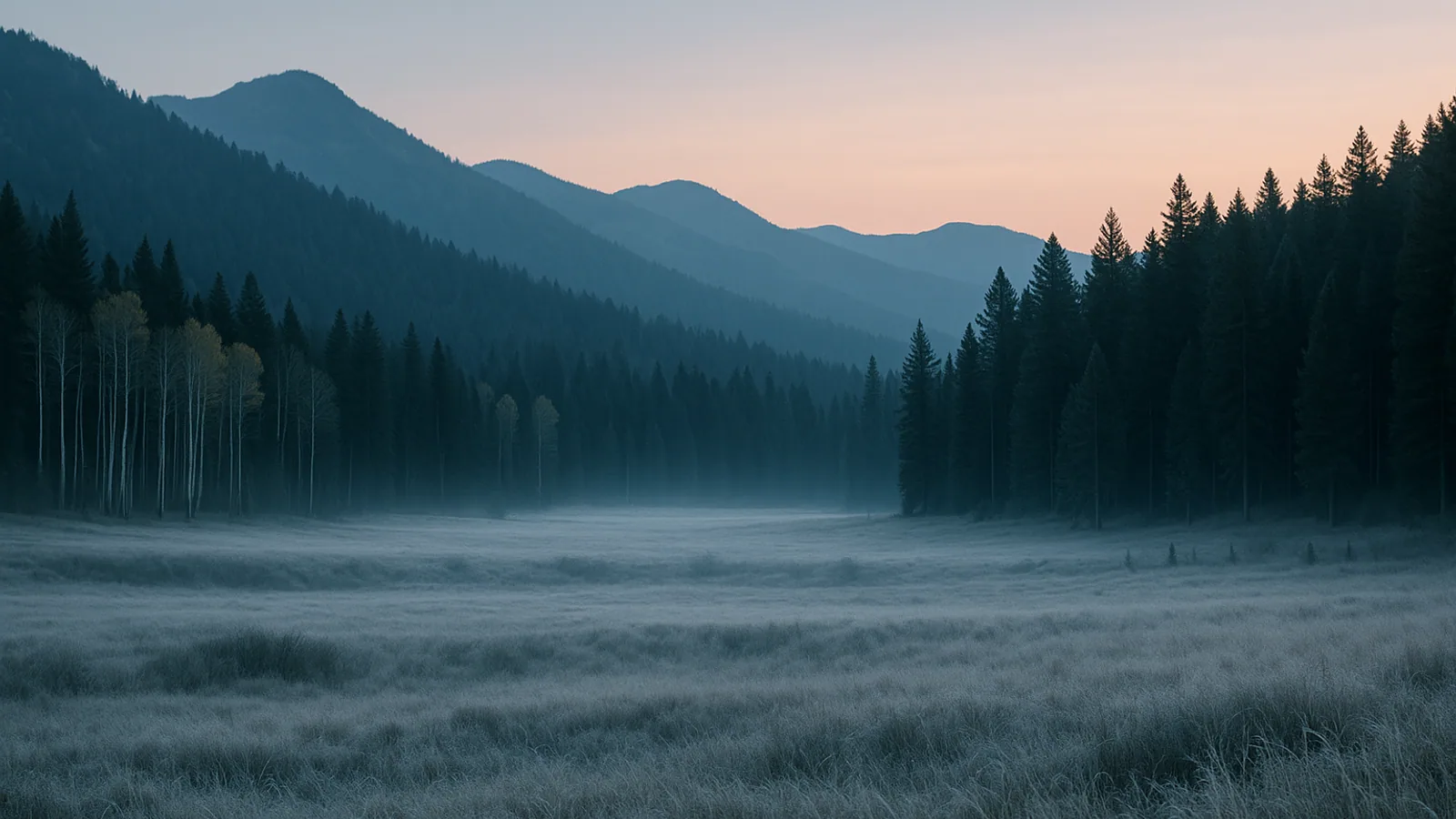
There is a sound the plateau makes in September that you will not hear anywhere else on your trip, and it starts before the light does. A bull elk stands somewhere across a dark meadow and throws a bugle up into the cold air, high and strange, and the whole morning bends around it.
Most guests miss it by about an hour. They come down for coffee, drive off toward a park, and never learn that the meadow three miles from the cabin was full of sound at 6:20 that morning. I wrote this for the ones who do not want to miss it: when to set the alarm, where to stand, and how close is too close, for people who want to watch, not hunt.
When the elk bugle
The bugle is a rut sound. From early September into the middle of October, bull elk are gathering cows into harems, ten to twenty at a time, and the bugle is how a bull claims his group and warns off every other bull within earshot. It carries a long way in still air, which is why dawn is the hour that pays.
The season has a shape worth knowing. Bugling ramps up the first week of September, peaks somewhere around September 15 to 25, and tapers through the first half of October. If you are choosing a week for the sound alone, aim for the middle two weeks of September. If you are choosing for sound and color both, push to the last week of September and the first week of October, when the aspens on the plateau turn and you get the bugle against a hillside going gold.
Two windows each day carry the sound: the first hour of light and the last. Dawn is the better bet. The air is coldest and stillest then, the elk are still out in the open from feeding overnight, and the wind has not yet come up to scatter both the sound and the animals into the timber.
Where to stand, and why the edge wins
The open middle of a meadow looks like the obvious place to watch, and it is the wrong one. By the time you can see across it, the elk have already moved to the tree line. Park at the edge, stay in or right beside your vehicle, and let the meadow come to you.
Your car is the best blind you have. It hides your shape, muffles your movement, and gives you something to get behind if a bull decides he does not like the look of you. Engine off. Doors closed with care, or left open before the light comes so you are not slamming one at the wrong moment. If you can read the wind, sit downwind of where you expect them, because elk trust their noses long before their eyes.
Bring the longest lens or the best binoculars you own. The whole point is to close the distance with glass instead of with your feet.
How close is too close
This is the part that matters most, because a bull elk in the rut is not the mellow animal you photographed grazing back in midsummer. The Park Service line for elk is 25 yards, and during the rut you should treat that as a hard floor and give a lot more. Wild Aware Utah says it straight: give elk a lot of space, because an elk moves much faster than you do.
Learn the warning signs so you can read one before it reads you. An agitated elk holds its head high, lays its ears back, flares its nostrils, and sometimes stomps a front hoof. Any of that means you are too close and it is time to back away toward the car. Never get between a bull and his cows, and never walk toward a bull to get the shot. Leave the dog at the cabin, or keep it leashed and out of sight, because nothing sets off a charge faster than a loose dog in a meadow full of elk.
Watched from the right distance, it is one of the great free shows in the West. Watched from too close, it is a trip to the emergency room in Cedar City. The distance between those two mornings is the whole ballgame.
The actual dawn plan
Here is the plan a first-timer can run without guessing.
- Get yourself to a meadow edge by about 6:15 to 6:30, before the sky turns gray. First light does the work, not sunrise.
- Dress for the 30s and 40s even if the forecast high is 75. At 8,400 feet a September dawn is cold to the bone, and cold you can shed beats cold you cannot fix.
- Kill the engine and go still. Give a quiet meadow 45 minutes to an hour. If it stays silent, move to the next edge rather than waiting one out.
- If mornings are not your thing, the last hour before dark is the fallback. It is less reliable than dawn, but the sound is the same.
Where the meadows are
You do not need a secret spot. The plateau has the right kind of country all over it. The open meadows along Highway 14 between Duck Creek and Navajo Lake, the grassy parks on the way up toward Cedar Breaks, and the aspen-lined clearings off the side roads all hold elk in September. Any edge where timber meets a meadow, with a safe pullout to park in, is a candidate. Scout one or two in daylight the afternoon you arrive and you will have your dawn already picked.
From the inn you are minutes from that kind of ground, which is the real advantage of sleeping up here instead of down in a gateway town. The elk are on your side of the alarm clock.
Make a morning of it
The bugle sits right alongside the rest of what the plateau does best in the fall. Time your trip for the last week of September and you can catch the elk at dawn and the aspen turn at Aspen Mirror Lake in the same day. Add an evening at Cedar Breaks and its Sunset Point for the elevation and the dark sky, and you have bookended the day with the two things this mountain gives that the parks below cannot. If you want the full slate, our top hikes around Duck Creek fills in the middle of the day.
For a wider look at what an early-fall stay up here looks like, start with things to do in Duck Creek.
Sleep where the elk are
Watching the rut is a dawn game, and dawn games are won by whoever sleeps closest to the meadow. Stay in a cabin at Duck Creek Village Inn, a few minutes from the plateau’s open country, and set the alarm for the sound most travelers drive right past. Book direct, ask at the desk which edges have been loud that week, and let the mountain wake you the way it is meant to.
 Trip Planning
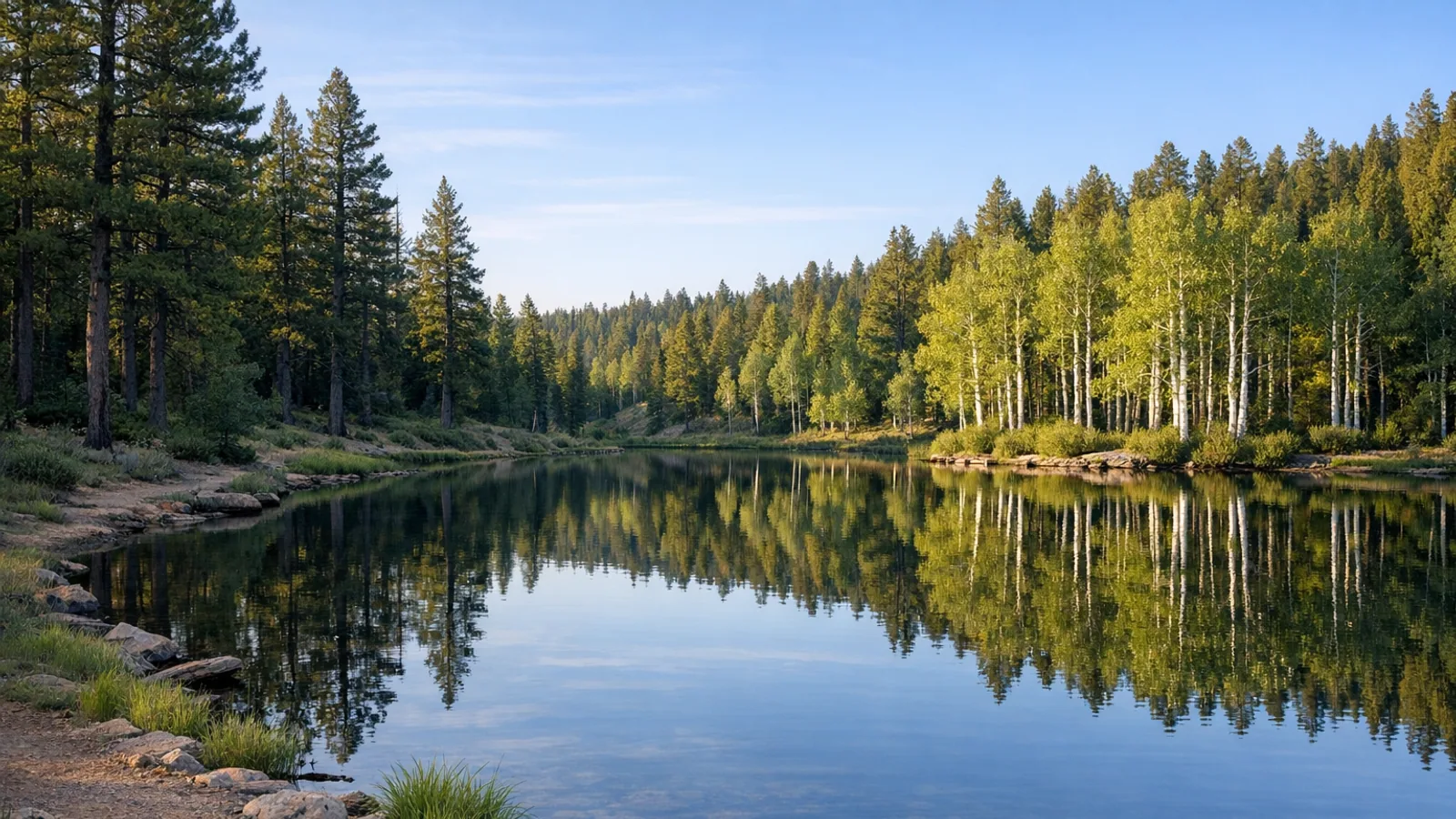
 Aspen Mirror Lake: A Quiet Lake Stop a Few Minutes from Duck Creek Village Inn
Aspen Mirror Lake is one of the easiest close-in stops near Duck Creek Village Inn, with vault toilets, shore fishing, and a short walk that makes a calm half-day feel easy.
 Things to Do
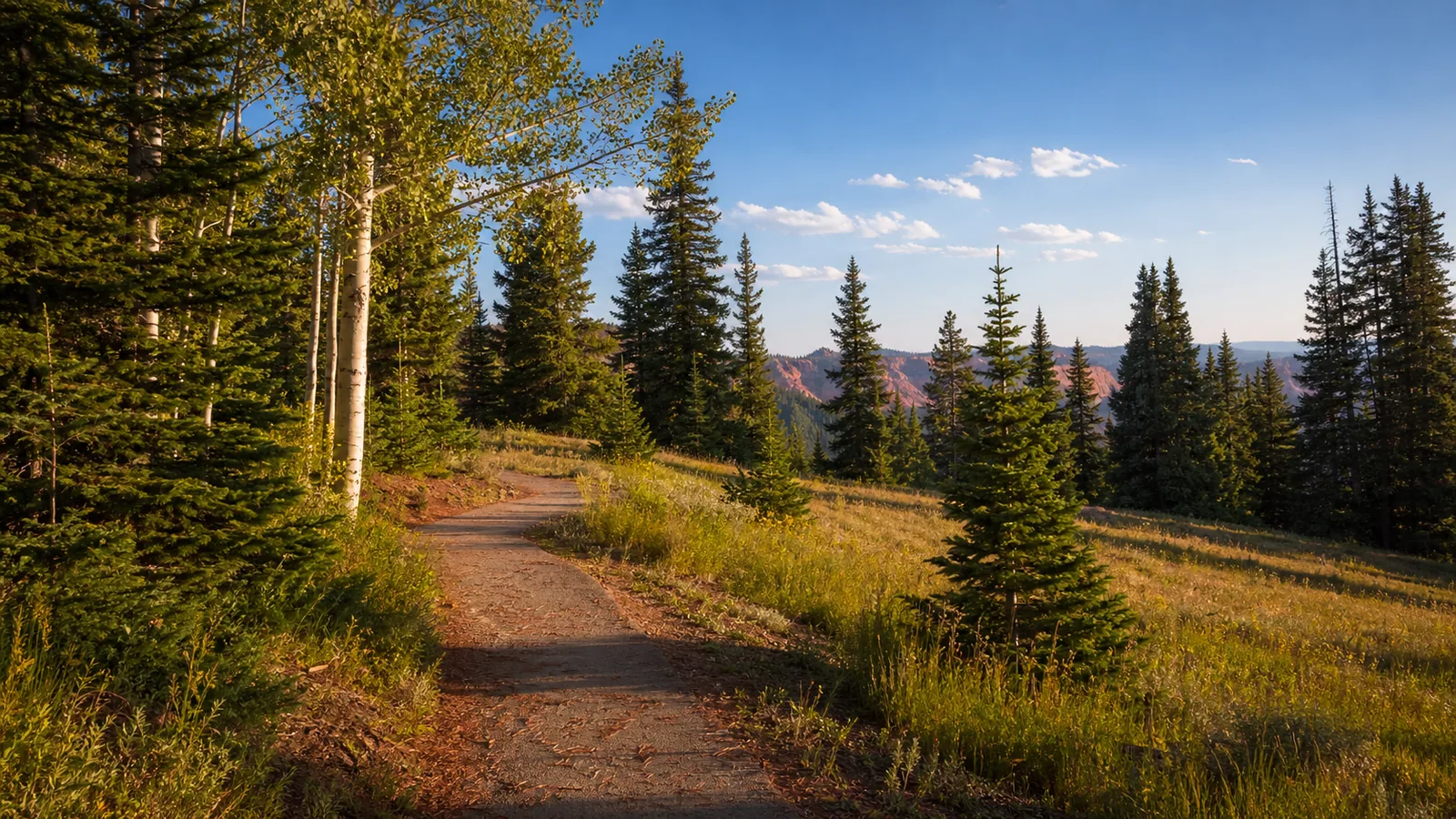
 Cedar Breaks From Duck Creek: Which Trail to Choose, Where Dogs Can Go, and Where to Watch Sunset
A host-style Cedar Breaks trail guide from Duck Creek Village Inn: when to choose Sunset Trail, Nature Trail, Alpine Pond, South Rim, Point Supreme, the Visitor Center, and Sunset View Overlook.
 Things to Do
 Top 7 Hikes Around Duck Creek Village
These are the seven hikes we send guests to most often at Duck Creek Village Inn, from the easy win at Cascade Falls to longer days at Navajo Lake, Cedar Breaks, and Virgin River Rim. We still link the official trail pages for the hard details, but the advice below is ours.
Book the basecamp
When the trip idea is taking shape, Duck Creek Village Inn makes an easy base between slower mountain time and bigger Southern Utah days.