Best Hikes
Bryce Canyon hikes by difficulty, picked for day-trippers from Duck Creek
View guide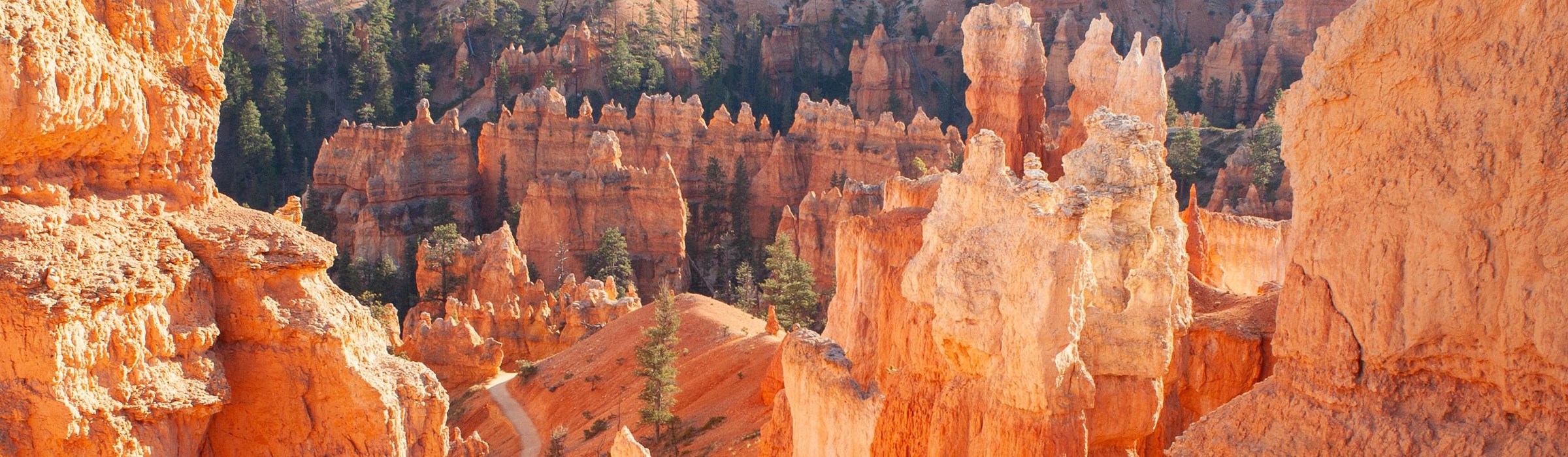
Duck Creek Guide
About an hour from Duck Creek Village Inn — hoodoos, rim views, and the best hikes in southern Utah
At a glance
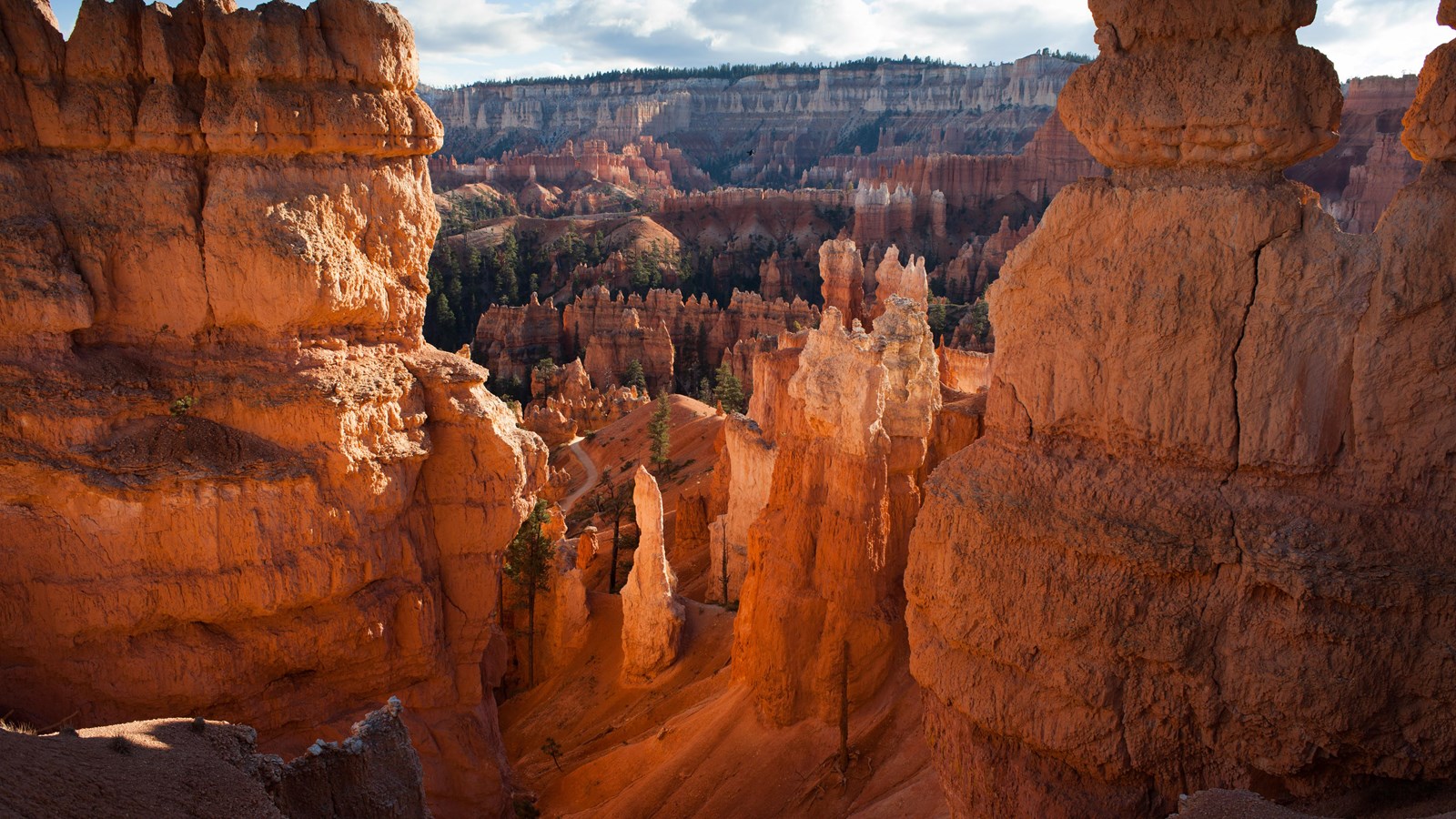
Bryce Canyon National Park sits about an hour south of Duck Creek Village on the edge of the Paunsaugunt Plateau. It is not actually a canyon — it is a series of bowl-shaped amphitheaters carved into the plateau edge, filled with thousands of hoodoos in shades of orange, red, and cream. The park is compact, the main viewpoints cluster near the entrance, and most visitors can see the highlights in half a day.
The drive from Duck Creek takes you south on US-89 through Long Valley, then east on UT-12 toward the park entrance. You will climb from the pine forests around Duck Creek through high desert and back into ponderosa and fir as you gain elevation — Bryce sits between 8,000 and 9,100 feet, so the air will feel familiar when you arrive.
If you are staying at Duck Creek Village Inn, Bryce is the kind of day trip that works without stress. Leave after breakfast, reach the park by mid-morning, see the amphitheater viewpoints, hike the Queen's Garden and Navajo Loop combo, and drive home in time for dinner. If you want a longer day, the 18-mile scenic drive south to Rainbow Point adds progressively quieter overlooks and the Bristlecone Loop at the end of the road.
Each guide covers one piece of the trip so you can focus on what matters most to you.
Bryce Canyon hikes by difficulty, picked for day-trippers from Duck Creek
View guide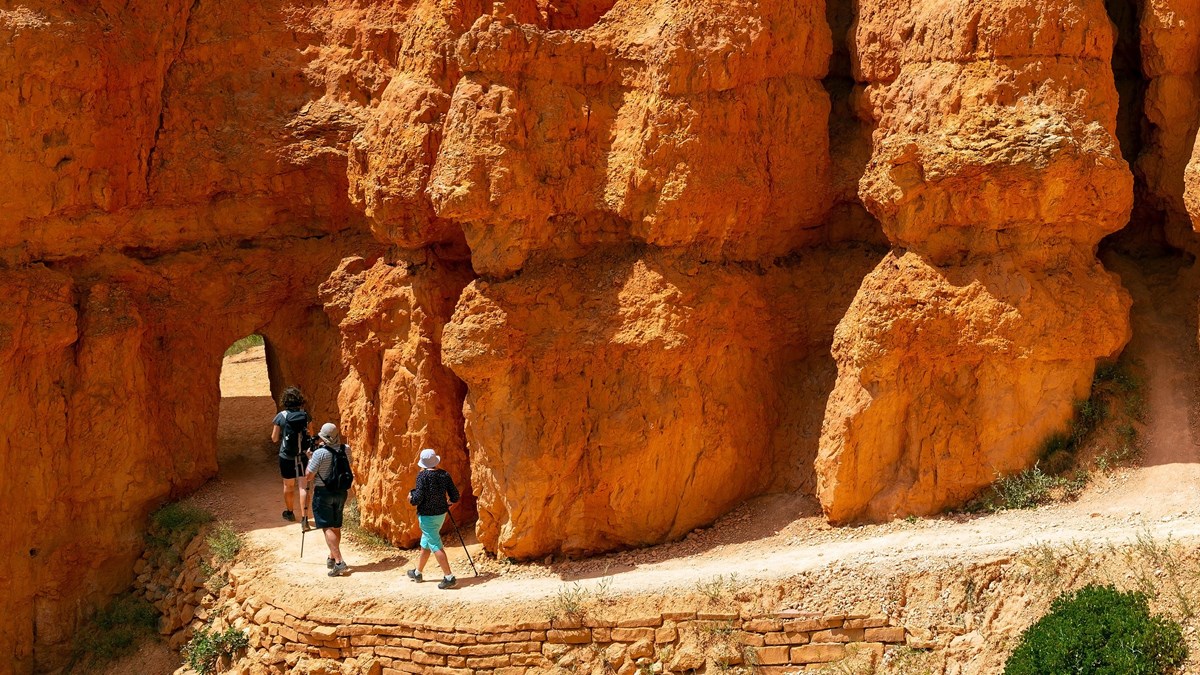
The classic combo hike through the hoodoos — direction, timing, and what to expect
View guide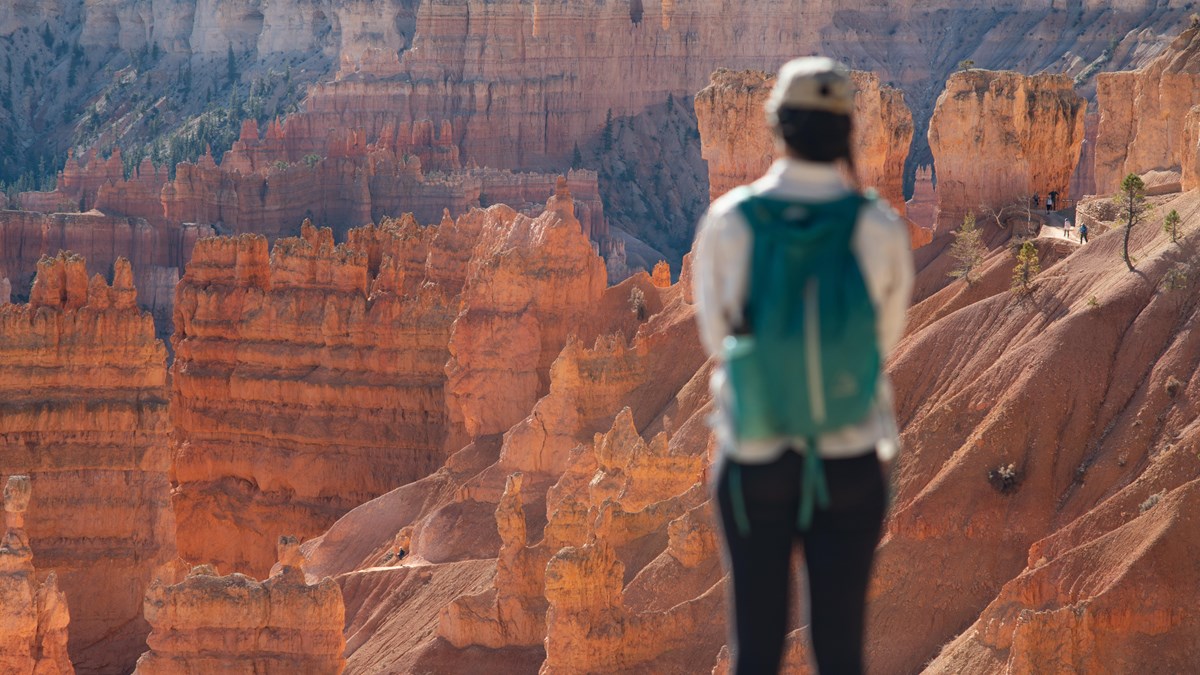
The 18-mile road through the park with every viewpoint worth stopping for
View guide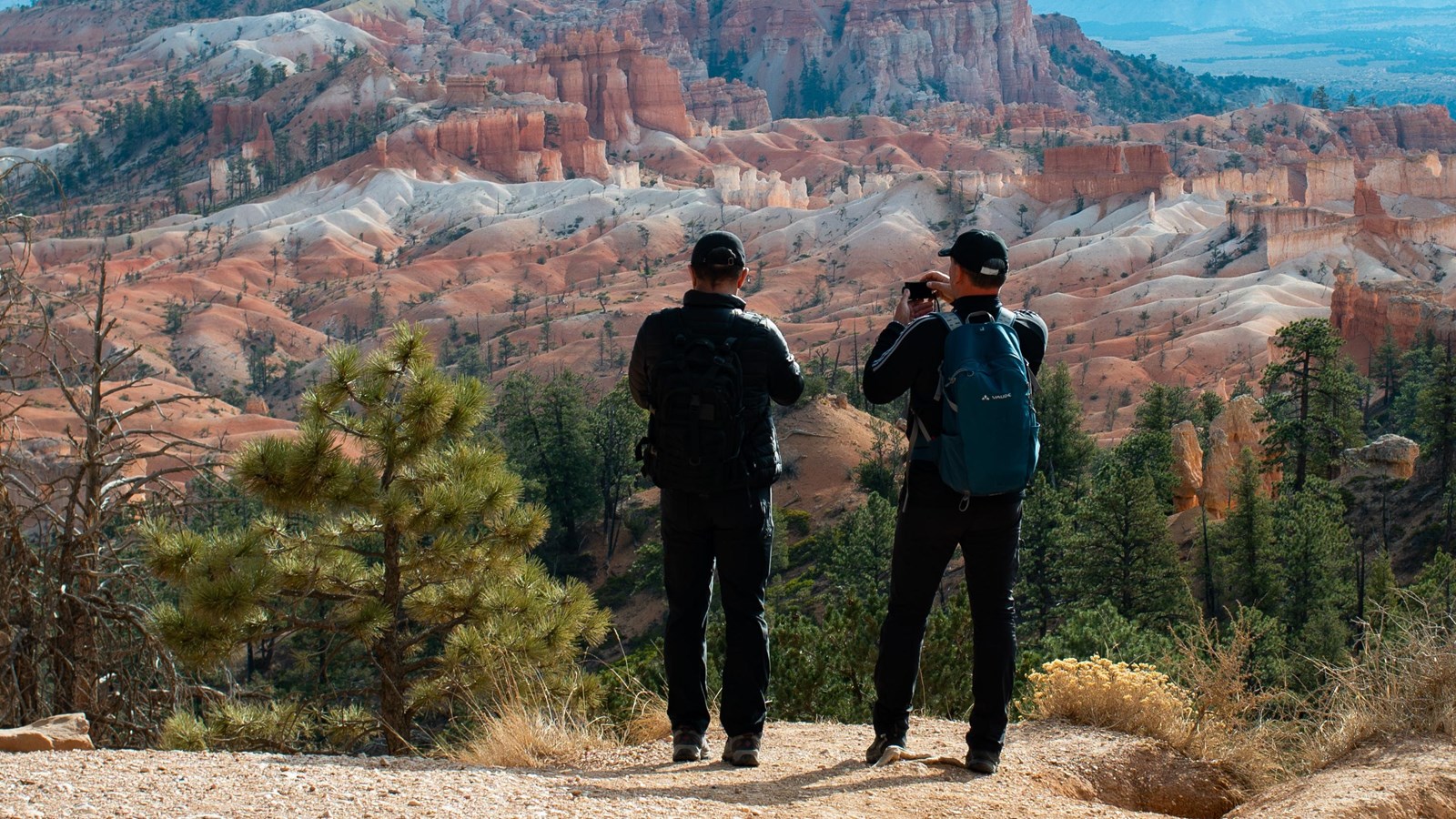
The accessible walk connecting Bryce Canyon’s best overlooks along the amphitheater rim
View guide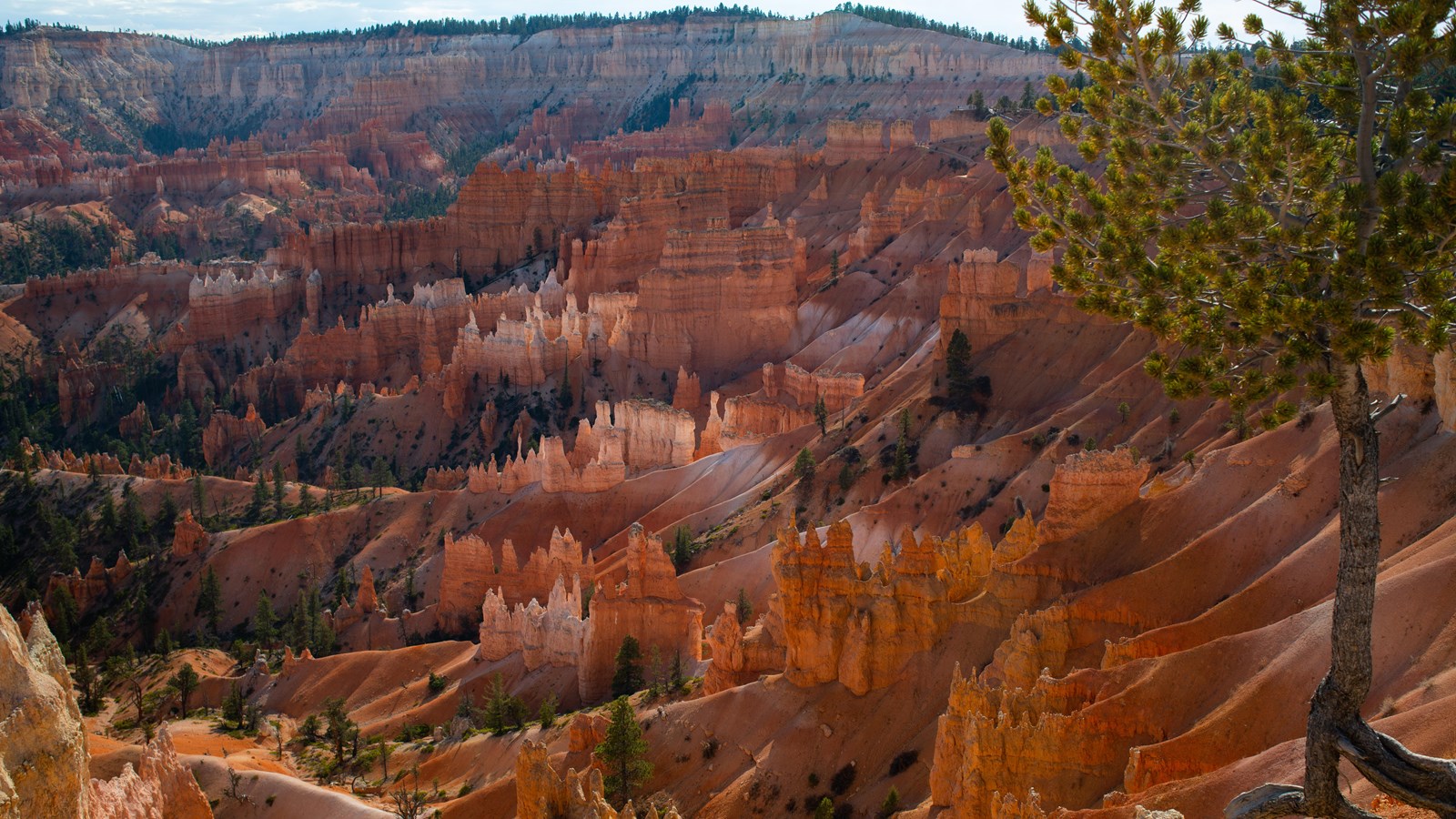
Every restaurant worth knowing near Bryce Canyon — in the park, at the entrance, and in Tropic — with seasons and official sites
View guide Live alerts, trail closures, hours, and ranger programs — straight from the National Park Service
View guideUnlike larger parks where you need multiple days to see the highlights, Bryce is designed for efficient visits. The four main amphitheater viewpoints — Sunrise, Sunset, Inspiration, and Bryce Points — are all within the first three miles of the main road. You can walk between them on the paved Rim Trail or drive and park at each one.
The Queen's Garden and Navajo Loop combination takes most people about two hours and gives you the full below-the-rim experience: hoodoos at arm's length, the narrow Wall Street section, and the climb back to the rim with the amphitheater sprawling behind you. Add the Rim Trail between viewpoints and you have seen the best of Bryce without needing to rush.
From Duck Creek, the return drive is just as easy. Head back west on UT-12 to US-89, then north to UT-14 and up the hill to the village. No complicated exits, no traffic jams — just an hour of scenic driving and you are home.
Bryce is open year-round, but each season changes the experience. Summer (June—August) has the longest days, all trails open, and the shuttle running — but also the most crowds and the fullest parking lots. Spring (April—May) and fall (September—October) offer milder temperatures, thinner crowds, and better photography light. Some trails may have icy patches into May.
Winter is when Bryce looks otherworldly — snow on the hoodoos creates some of the most photographed scenes in the park. The main road is plowed all the way to Rainbow Point, though the section past mile 3 closes temporarily during and after storms until plowing finishes, and the short spur roads to Fairyland Point and Paria View close to vehicles for the season. The Rim Trail and some below-rim sections remain open with traction devices. It is quieter, colder, and beautiful.
From Duck Creek, the shoulder seasons are ideal. You get cool mornings at the inn, a comfortable drive down, and pleasant hiking temperatures. If you visit in summer, arrive before 9 AM to beat the parking crunch.
One Bryce hiking day pairs well with a rest day near the village. After the hoodoos, recover with a morning at Aspen Mirror Lake, a drive to Cedar Breaks, or a village dinner and a quiet evening on the porch. Check our rooms and cabins to match the stay to the trip.
March 2026
We write these Bryce Canyon guides from the perspective of guests staying at Duck Creek Village Inn — the route, the timing, and the practical details that matter when you are making a day trip from the north side. Before you drive, cross-check conditions with the official NPS resources here.
The questions trip planners usually ask next.
Yes. Duck Creek Village is about an hour from the park entrance. You can see the main amphitheater viewpoints and hike the Queen’s Garden–Navajo Loop combo comfortably in a day, with time to drive to Rainbow Point if you start early.
The Queen’s Garden and Navajo Loop combination (2.9 miles, 550 ft elevation) is the signature hike and the one the park service recommends for first-time visitors. It takes you below the rim through the hoodoos and back up via the Navajo Loop switchbacks.
The free shuttle runs April through October but is not mandatory for vehicles under 20 feet. However, parking lots fill early in summer, so the shuttle is the easiest option during peak hours. Outside shuttle season, you drive to each viewpoint and trailhead.
Late May through October gives you the best combination of trail access and weather. Summer is the busiest season; September and early October offer smaller crowds and beautiful light. Winter visits are possible but some trails close when icy.
Yes. The paved Rim Trail between Sunrise and Sunset Points is stroller-friendly and the viewpoints are dramatic enough to hold anyone’s attention. The Queen’s Garden trail is the gentlest below-rim option for families with older kids.
Drive I-15 north to Cedar City (about 2.5 hours), then take Highway 14 east through Duck Creek Village and continue south on US-89 to UT-12. Total drive is roughly 4 hours. Staying in Duck Creek cuts the next-day drive to Bryce down to about an hour.
Book your room or cabin at Duck Creek Village Inn — about an hour from the park entrance with cool mountain evenings and zero traffic.