Duck Creek sits on 300 plus miles of high-country OHV trail. Here is which machine to actually rent, when to ride, and the one legal step first-timers always miss.
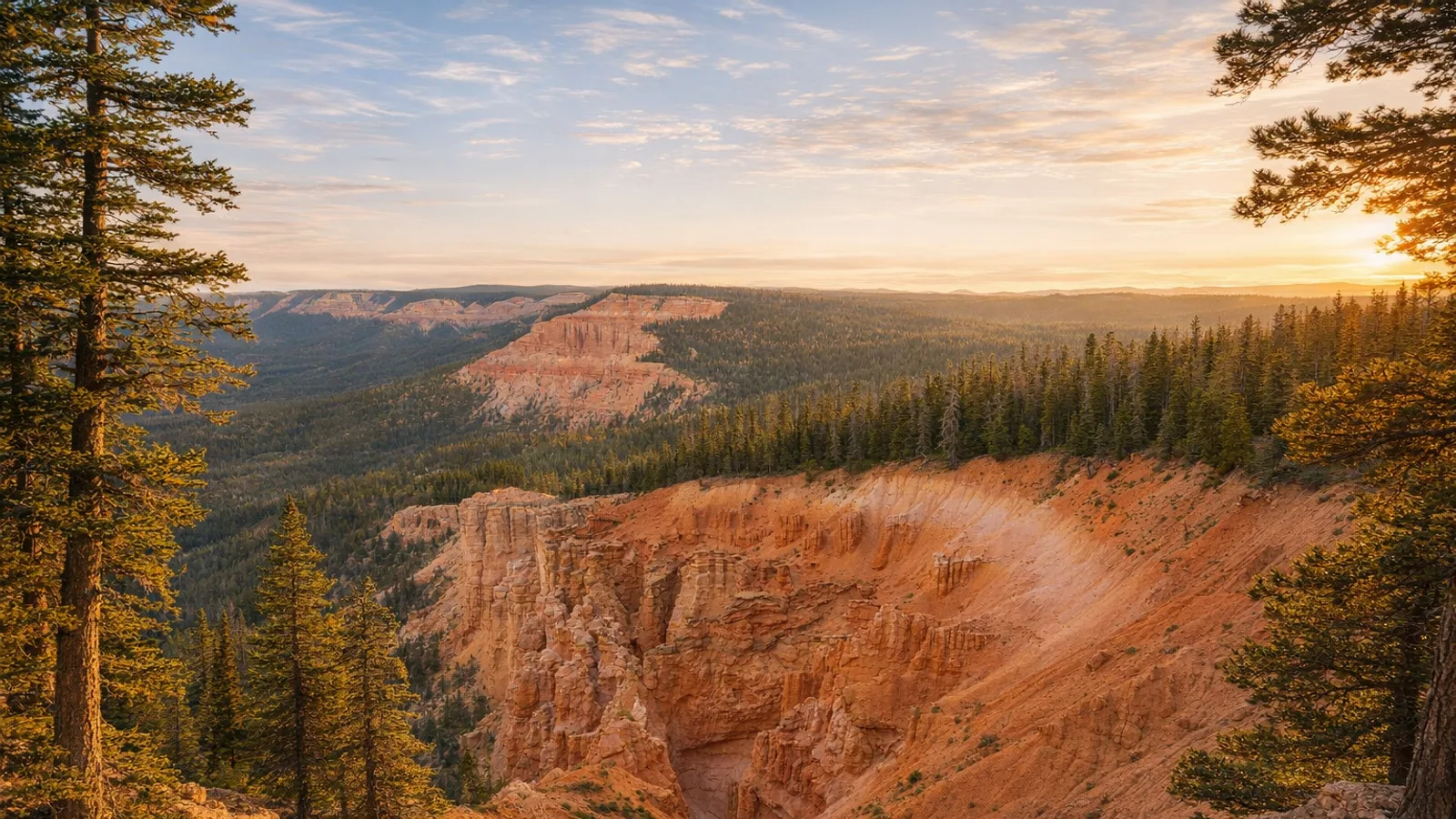
Most towns put the good riding an hour away. Duck Creek puts it at the end of your driveway. The village sits on the Markagunt OHV System, about 300 miles of designated trail across seven main loops, all at 8,400 feet in the cool pine of the Dixie National Forest. A single morning can link an alpine lake, a lava field, and a canyon-rim overlook. Half the cabins here have a spot to park a side-by-side. It ranks among the best off-road basecamps in the West, and renting up here still trips up first-timers every summer. Here is how to get it right.
What to book: side-by-side, almost every time
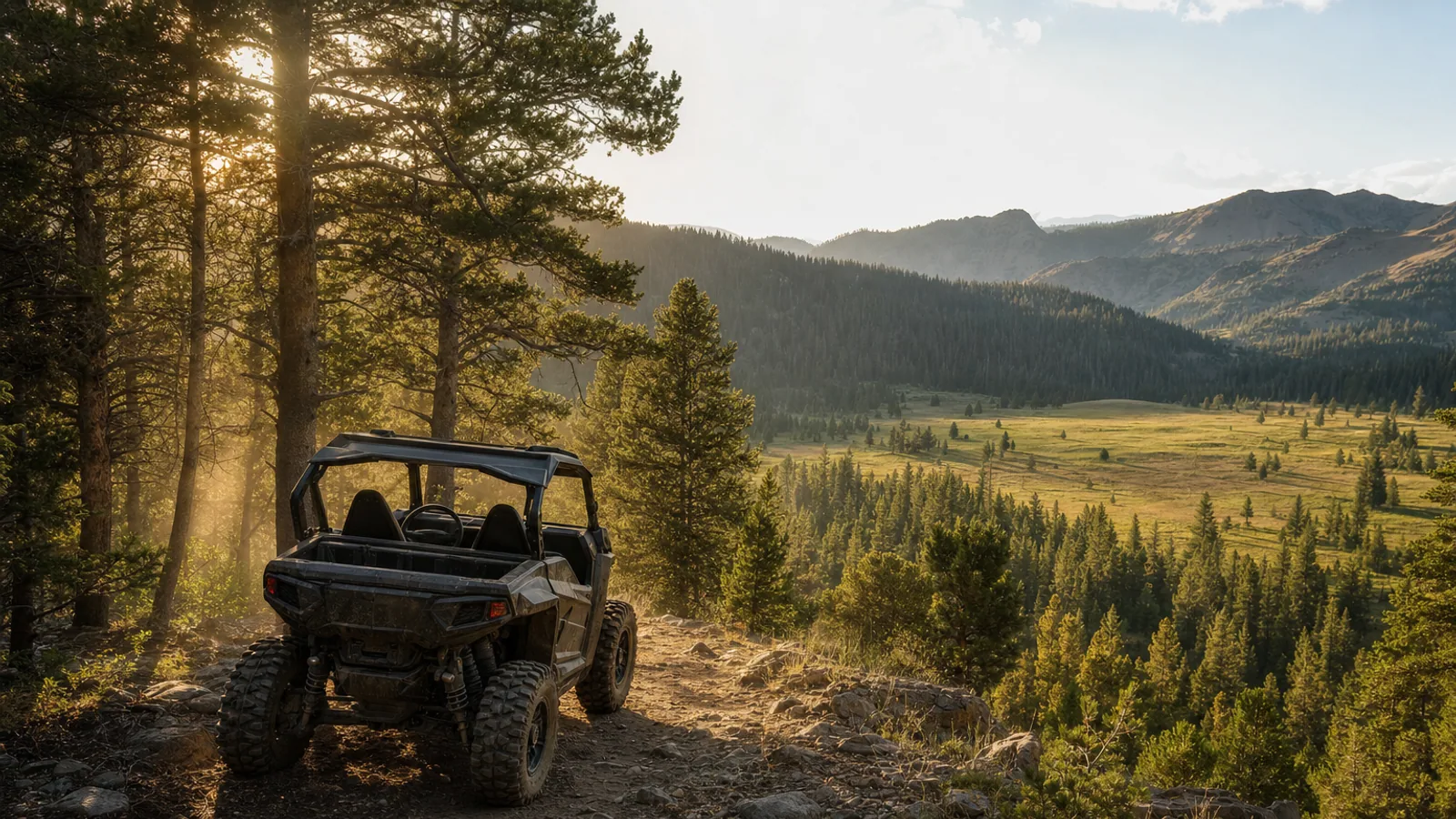
The first decision is the machine, and for most groups it is not close. Book a side-by-side (UTV), the four-wheeler with a roll cage, bench seats, and seatbelts. A Polaris RZR or Can-Am Maverick seats two to six, everyone rides together, there is room for a cooler and jackets, and you steer it like a car. For a group with kids or grandparents, this is the machine.
Pass on the straddle-style ATV, the quad, unless you want the physical, hands-on version of the day. A quad carries one rider, maybe two, tires you out faster, and suits a lone rider over a mixed group.
On size, book one seat above your headcount. Four riders in a 4-seater with a day of layers and lunch make a cramped load. A 6-seat RZR for those same four rides easy, and the extra $40 or so on the rental buys back the elbow room.
When to ride: morning, not afternoon
The rental clock will not warn you about this one. Summer on the plateau runs to a schedule: clear calm mornings, then thunderstorms that stack over the ridgelines by 1 or 2 p.m. most days. Book the full day if you want, but roll out by 9 a.m. and get back before the sky turns. A morning loop to Navajo Lake, Cascade Falls, and the lava beds beats an afternoon of watching lightning from the porch.
What nobody tells you first: the legal step
Here is the rule that catches riders flat-footed at the counter. Since January 1, 2023, every person who drives a rented OHV in Utah has to finish the Utah OHV Education course. It costs nothing, it runs online, and it takes 15 to 30 minutes. It covers adults, not just kids. Finish it at home the night before so no one burns the morning tapping through a quiz in the parking lot.
Now the permit question, because two rules get tangled here. Renting changes the math: the outfitter already registered the machine, so the $30 Utah non-resident OHV permit is not yours to buy. That permit belongs to the rider who trailers a personal out-of-state machine onto public land. Renters, the outfitter covers the machine, and the safety course is the one piece on you.
One rule earns real fines out there. This is national forest, so you stay on the routes marked open for motor vehicles. The Dixie National Forest Motor Vehicle Use Map, the MVUM, is the authority, and your outfitter will circle the loops worth your morning. Cutting your own line tears up the meadow and hands a federal officer an easy ticket. Ride the marked trail and this country stays open for the next rider.
What to pack, because the plateau is its own climate
At 8,400 feet the day is not the day you left in the valley. Plan for the full swing:
- Layers and a rain shell. A summer morning here can start in the 40s, warm 30 degrees by noon, then drop again when the storm rolls through. Bring more than you think you need.
- Eye protection and sun cover. An open cab throws dust and wind, so pack sunglasses or goggles, sunscreen, and a buff for your face.
- Water, a fuel plan, and an offline map. Some loops run 40 miles and cell service drops to nothing between the meadows. Download the map before you roll and confirm the machine’s range with the shop.
- A same-morning weather check. Read today’s forecast, not yesterday’s, because the pattern shifts fast on the mountain.
What to skip
Skip the too-small machine, skip the 2 p.m. storm window, and skip rolling out with no rain layer. First-timers get one more call to make. A guided tour teaches you the area and the machine in a couple of hours, while a self-guided rental costs less and hands you the whole day once you settle in behind the wheel. Neither is the wrong pick, and it comes down to how much coaching you want on day one before the trail is yours to read on your own.
The trailhead is your driveway
That is the whole draw of riding out of Duck Creek. You are not loading a trailer and driving somewhere to start the day, you are starting it here, in the cool pines, with hundreds of miles of trail off the front porch. Book the side-by-side, ride the morning, finish the safety course ahead of time, and you walk away with the day the group retells all winter.
Plan the stay next: our cabins and rooms put you minutes from the trailheads, and our ATV and OHV guide keeps the current permit and route links whenever you want to go deeper.
Related reading