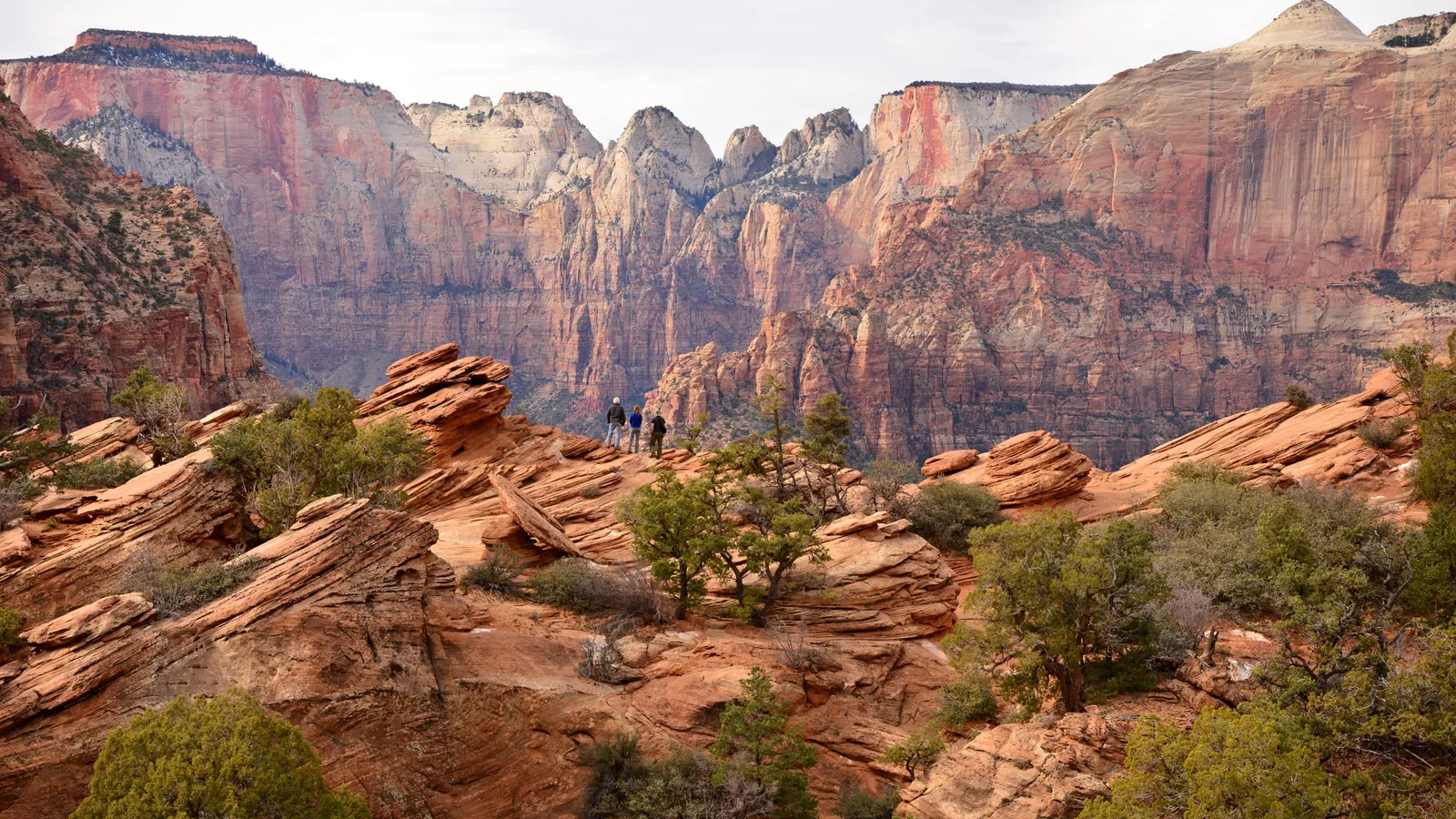
The east entrance at Mount Carmel is 46 miles from Duck Creek and opens onto the one part of Zion you can still drive yourself. Here is the route, the size limits that turn rigs around at the gate, and how to decide between the east side and the full canyon run.
Most people book a cabin up here, pull up a map, and decide Zion means Springdale. It does not have to. The east entrance at Mount Carmel sits 46 miles from the village, about 70 minutes of driving, and it opens onto the one stretch of Zion you can still see from your own front seat.
Start with the part that changes the whole trip. Springdale is not a different route from Duck Creek. It is this route plus 11 more miles of the slowest road in the park. To reach the south entrance you drive to the east entrance anyway, pass through the tunnel, drop the switchbacks, and come out in the town where everyone else is circling for parking. Same highway, about half an hour longer, and at the end of it you still need a shuttle seat.
The shuttle rule, and why the east side sidesteps it
Zion’s canyon shuttle runs March 7 through December 25 this year, and it is mandatory on the Zion Canyon Scenic Drive. That is the road to the Narrows, to Angels Landing, to the Emerald Pools. Private vehicles are not allowed on it during the season, and that includes before the first bus of the morning and after the last one at night.
The Zion-Mount Carmel Highway is a separate road, and it stays open to private vehicles year round. That is the entire advantage of coming in from this side. You drive the switchbacks yourself, stop where you feel like stopping, and never stand in a bus line.
Be honest with yourself about what that does and does not buy you. It does not mean shorter entrance lines. The park expects both stations to back up on busy weekends and has closed them on holidays. The east side buys you your car, your own schedule, and everything between the pullouts.
The price at the gate
Thirty five dollars per private vehicle, good for seven days. You pay it even if you drive straight through to the other side.
There is no timed entry and no reservation system to get into Zion, which surprises people who have been fighting for slots at other parks.
One newer detail worth knowing if you are hosting visitors from overseas: non-US residents 16 and older now pay an additional $100 per person on top of the vehicle fee. An America the Beautiful pass or a Zion annual pass covers entry and waives that surcharge, which changes the math fast for a full car.
Angels Landing still requires its own permit through a lottery, and that is a canyon-side hike, so it belongs to the longer version of this day.
The tunnel and the delay it adds
The Zion-Mount Carmel Tunnel runs 1.1 miles, unlit, finished in 1930. Normal summer traffic moves one direction at a time through it, and the park tells you to expect a 15 to 30 minute delay. Put that in your plan instead of meeting it cold in the car.
You cannot walk or ride through. Carry bicycles and e-bikes through in a vehicle.
Canyon Overlook, the reason to come
A mile round trip, moderate, climbing about 160 feet. It ends at a rail set above the main canyon, looking down on the switchbacks you just drove and out at the big walls past them. For the effort it asks, there is no better view in the park.
The trailhead sits on the east side of the tunnel with pit toilets at the lot, and no pets on the trail.
Now the honest part. The park calls parking there very limited and tells you to plan on trying more than once. That is not boilerplate. Come early or plan on looping back, and skip the shoulder and the vegetation, which earn a citation or a tow.
Two things to cross off your list
A couple of things that still show up in other write-ups no longer hold.
Wandering the east-side slickrock is not open to you. The park’s current compendium closes the Slickrock research area and Crazy Quilt Mesa to all recreational use. Stay on the trails and the pullouts.
The East Rim Trail leaves from a hundred feet west of the east entrance and runs 5.9 miles to Stave Spring, climbing about a thousand feet. Rockfall means it no longer connects through to Zion Canyon, so treat it as an out and back rather than a route.
Checkerboard Mesa earns a slow pass on the drive, a pale dome scored into a grid you can read from the road. Look at it, photograph it, keep going.
Choosing between the east side and the full run
There are two honest versions of this day, and picking the wrong one is what ruins it.
East side only, half a day. Leave after breakfast, reach the entrance ahead of the crowd, hike Canyon Overlook, drive the switchbacks and stop at the pullouts, then turn around and be back at the cabin with your afternoon intact. No shuttle, no Springdale, no parking fight. This is the version most guests should take, above all with young kids or a dog in the car.
The full canyon run, a long day. Keep going through the tunnel, park in the canyon or in Springdale, and ride the shuttle out to the famous trailheads. Know what you are signing up for. The park says canyon lots fill by 9 a.m., which from Duck Creek means leaving before 7.
The test is simple. If someone in the car wants the Narrows or Angels Landing, take the long version. If what they want is to see Zion, the east side gives them that in half the time. In April and May the canyon runs cooler and greener, and a spring trip down there is a different trip from a midsummer one.
The heat and the sky
You are dropping about 4,400 feet. Zion’s canyon floor averages a high near 100 degrees in July and clears 100 on about 16 days a year, while you left a village that stays much cooler. Pack for the desert, not for the porch you walked off of, and carry more water than feels necessary.
Midsummer brings thunderstorms on 14 and 15 days a month on average. That means flash flood risk in the narrow places. Check current road and weather conditions before you leave, ask again at the entrance station, and treat any closure as final.
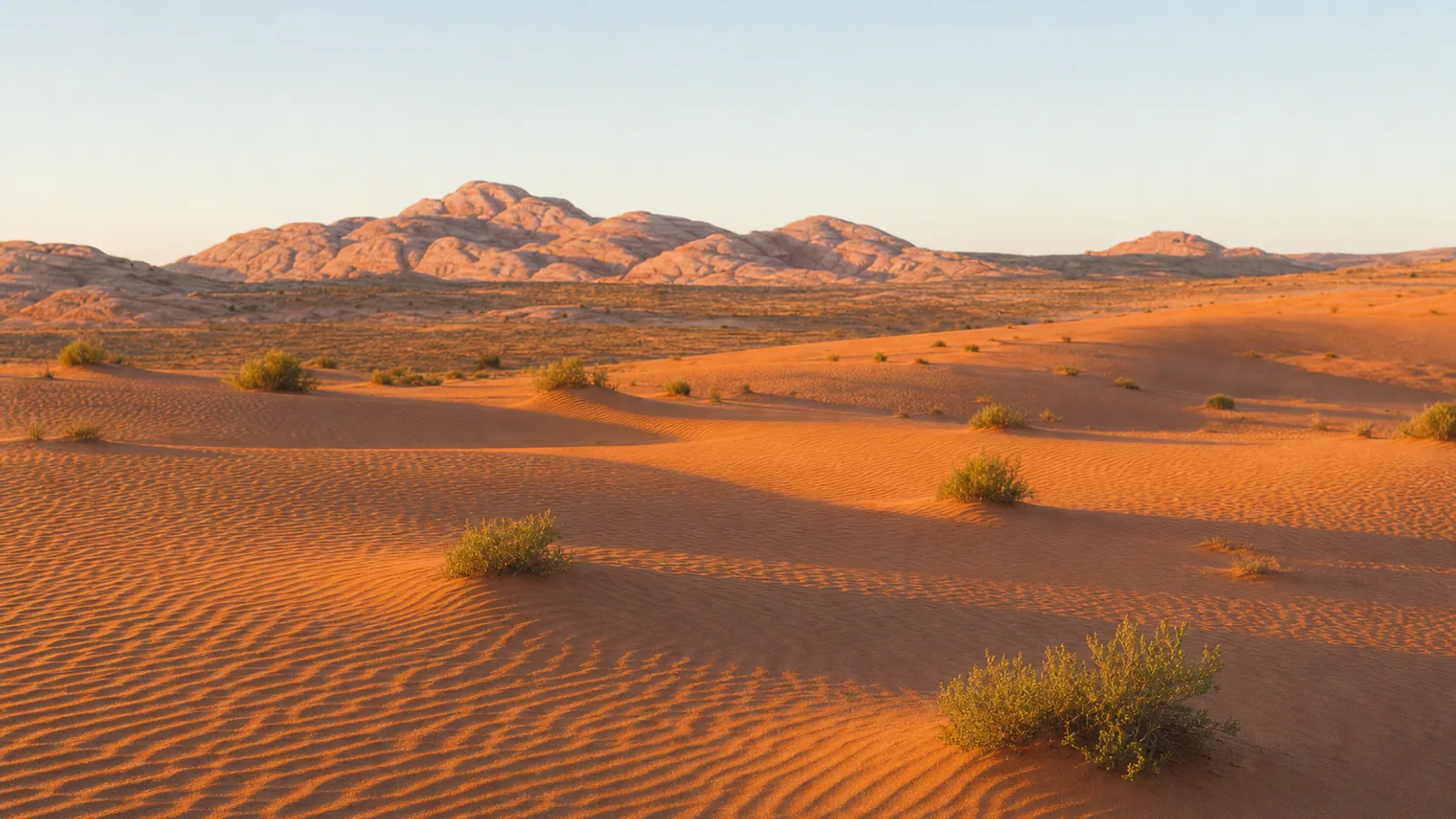
Fuel up before you drop off the plateau. There is no fuel inside the park and services thin out south of the village, the same stretch of Highway 89 that carries you toward Kanab and the Coral Pink Sand Dunes if you ever want to trade red rock for orange sand.
Duck Creek sits close enough to make Zion a morning instead of an expedition, and high enough that you come home to cool air. Check our rooms and cabins for your dates and drive down from the quiet side.