
Trip Planning · Duck Creek Journal
After the Storm: What August Rain Does to the Markagunt Trails
A local's read on how the monsoon changes the dirt on the Markagunt Plateau: which gravel loops firm up fast after a storm, which clay meadows turn greasy for a day, why the August dust vanishes, and how to time a morning loop so you clear the exposed rims before the afternoon cells build.
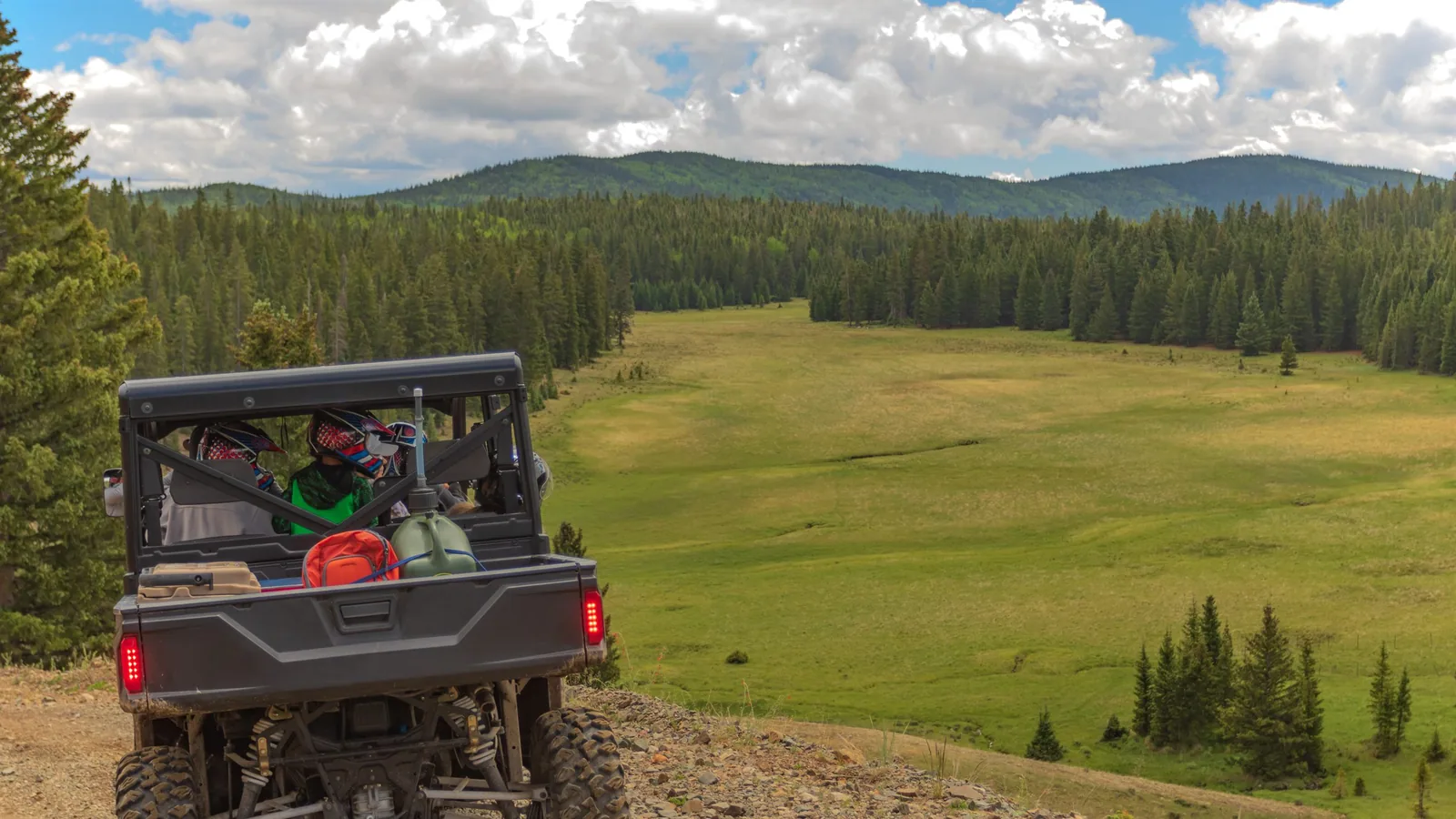
In this story
A 30 percent chance of afternoon rain sounds like a reason to cancel the ride. On the Markagunt Plateau in August, it seldom is. That number describes the scattered thunderstorms that build over the high country most afternoons through late summer, not an all-day soaking. Read it right and you still get your morning on the trail, often on better dirt than a dry week would give you.
Duck Creek Village sits at 8,400 feet in the heart of that trail system, and the monsoon changes how the dirt rides from day to day. Some of it firms up into fast, tacky tread after a storm. Some of it greases over for a day. The trick is knowing which is which, and getting your loop in before the clouds stack up in the afternoon.
Reading a 30 percent afternoon on the plateau
A monsoon afternoon follows a pattern once you watch a few of them. Mornings start clear and calm. By late morning the first cauliflower clouds pile up over Cedar Mountain and the high rims. Cells fire between noon and about 3 in the afternoon, drop hard rain and lightning for twenty or forty minutes, then fall apart toward evening. A 30 percent chance means a few of those cells will wander over your patch of forest, not that the whole plateau sits under rain all day.
That pattern rewards a rider who plans around it. Roll the wheels early, ride the loop you came for, and point back toward the trailhead as the towers build. You trade the risk of an afternoon soaking for a cool, quiet, dust-free morning on the mountain.
Which trails firm up after a soaking
Most of the Markagunt system runs on old forest service roads laid over gravel and decomposed granite on a volcanic base. That surface drains fast. A hard storm sinks in, the road sheds the extra water into the borrow ditches, and by the next morning the tread packs down tighter than it rode all week. Loose gravel that rattled your fillings on Tuesday turns tacky and sure on Thursday.
The higher, rockier loops reward you most here. Henries Knoll and the runs out toward Strawberry Point sit on coarse, well-drained ground that firms up within hours once the sun returns. Navajo Lake Loop, a favorite for families and first-time riders, holds together well too because much of it rides on that same gravel base. To keep a plan intact in monsoon season, aim the morning at these well-drained routes and save the low meadows for a drier stretch.
The trails that turn greasy for a full day
Not every surface drains the same. The meadow crossings, the shaded north-facing pitches, and the low washes between loops hold a finer, siltier soil with some clay in it. That ground turns slick and heavy after a storm and stays that way while the surrounding ground dries out. Spinning through it chews ruts into the tread, flings a coat of mud up your machine, and does the trail no favors either.
Give those sections a day. The clay on the Markagunt does not stay wet long at 8,400 feet, but it wants sun and a breeze before it sets up firm again. If a loop you want threads through open meadow or a creek bottom, ride it two mornings after the last big cell rather than the morning right behind it. The dirt will thank you, and so will your winch line.
Timing a morning ride before the storms
The clock matters more than the map in monsoon season. Aim to have the engine warming by 8, and treat early afternoon as your hard turnaround, even on a low-percentage day. Storms grow with the heating, so the danger climbs right when a long loop tempts you to push another hour. Watch the rims. Once the towers over the plateau flatten into dark, anvil bottoms, you have maybe thirty minutes before the first strikes.
The exposed high points carry the real danger, not the trail dirt. Strawberry Point, the open runs toward Cedar Breaks, and the bald knolls put you above the trees with nowhere to shelter from lightning. Plan those overlooks for the first half of the ride and drop back into timber as the afternoon heats up. A soaked rider on a firm road beats a dry rider stranded on an open rim under a storm, every time.
Using Duck Creek Village as your monsoon basecamp
A room in the village beats a campsite an hour out on these exact afternoons. Once the cell rolls through, you sit off the mountain and dry, not wringing out a tent or riding out hail under a tarp. You rest, you watch the sky clear toward evening, and you plan tomorrow around whatever the storm left on the roads.
Basing in the middle of Duck Creek Village also puts you minutes from the trailheads, so an early launch costs you no windshield time. Loops C, D, and E run straight off the Duck Creek area with no trailer to load, which makes a dawn start simple when the forecast hands you a tight morning window. Ride early, dry out at midday, and let the mountain reset the dirt overnight.
Our ATV section lays out the trails, maps, and rental shops, and the full ride-planning guide covers which loops suit which riders. Pull the Markagunt OHV trail map the night before so you can pick a well-drained morning route at a glance. For space to dry your boots and spread out after a muddy day, see our cabins, or book a room if you just want a clean, quiet basecamp close to the dirt. Tell us what you hope to ride and we will point you at the roads holding up best that week.
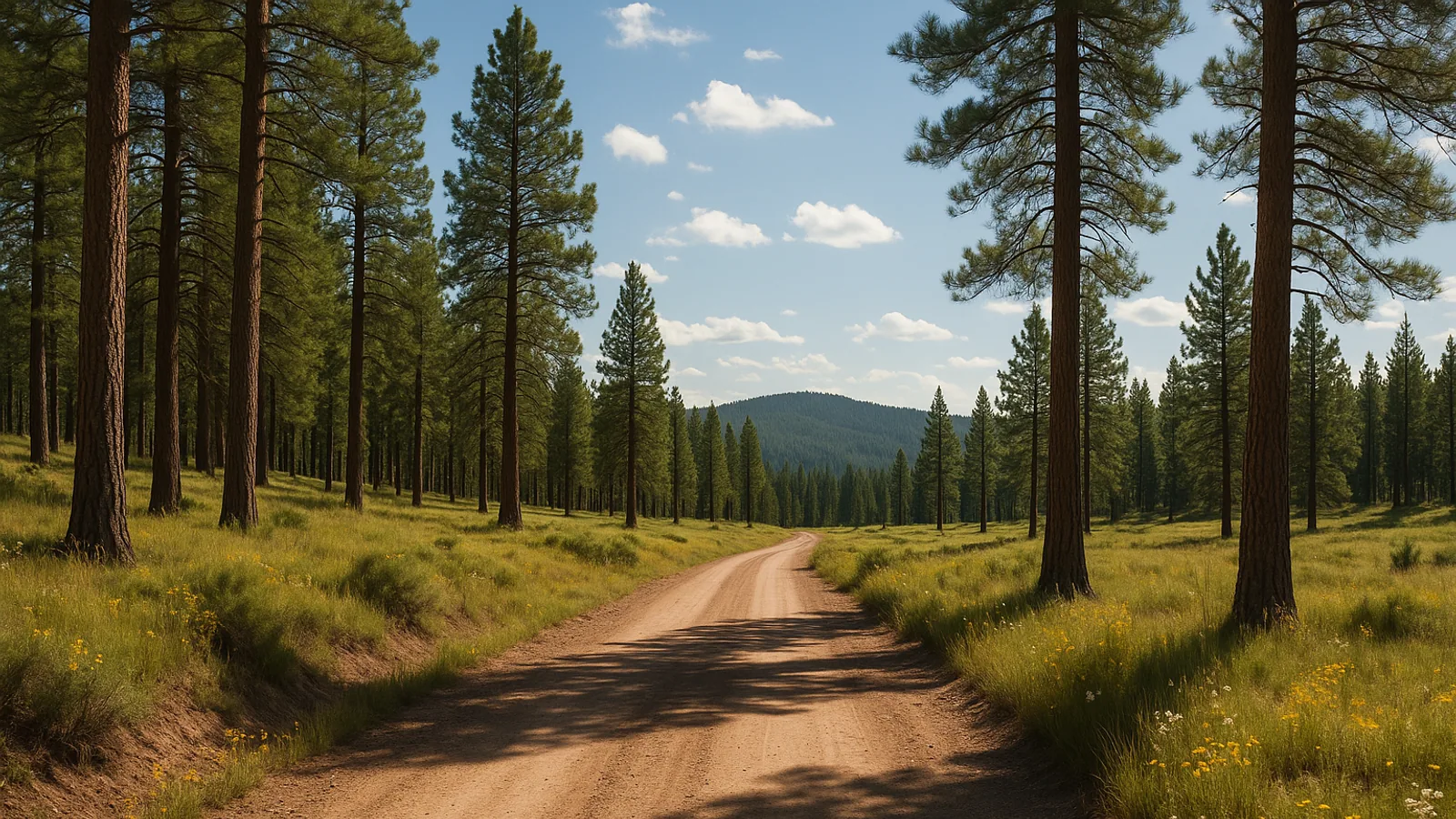 Trip Planning
 ATV Trails in Duck Creek Village: Riding the Markagunt Plateau
Choose a Markagunt Plateau ride that fits your group, then check the map, rental requirements and return plan before leaving Duck Creek Village.
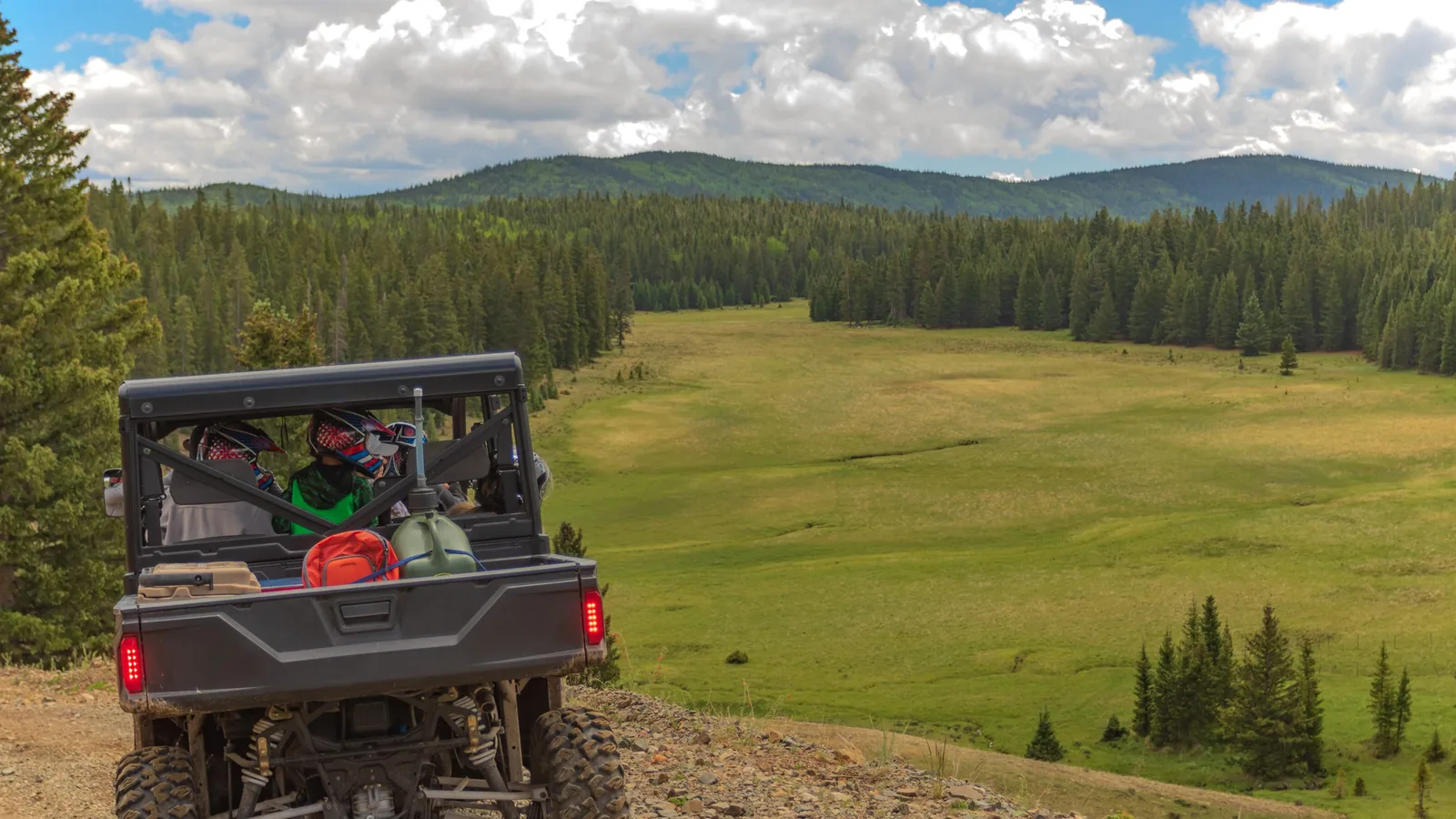 Things to Do
 Riding Legal on the Markagunt: Utah OHV Rules Out-of-State Riders Get Wrong
Bringing an ATV or side-by-side from another state? Check the Utah permit, rider education and vehicle access for each leg of your Markagunt route.
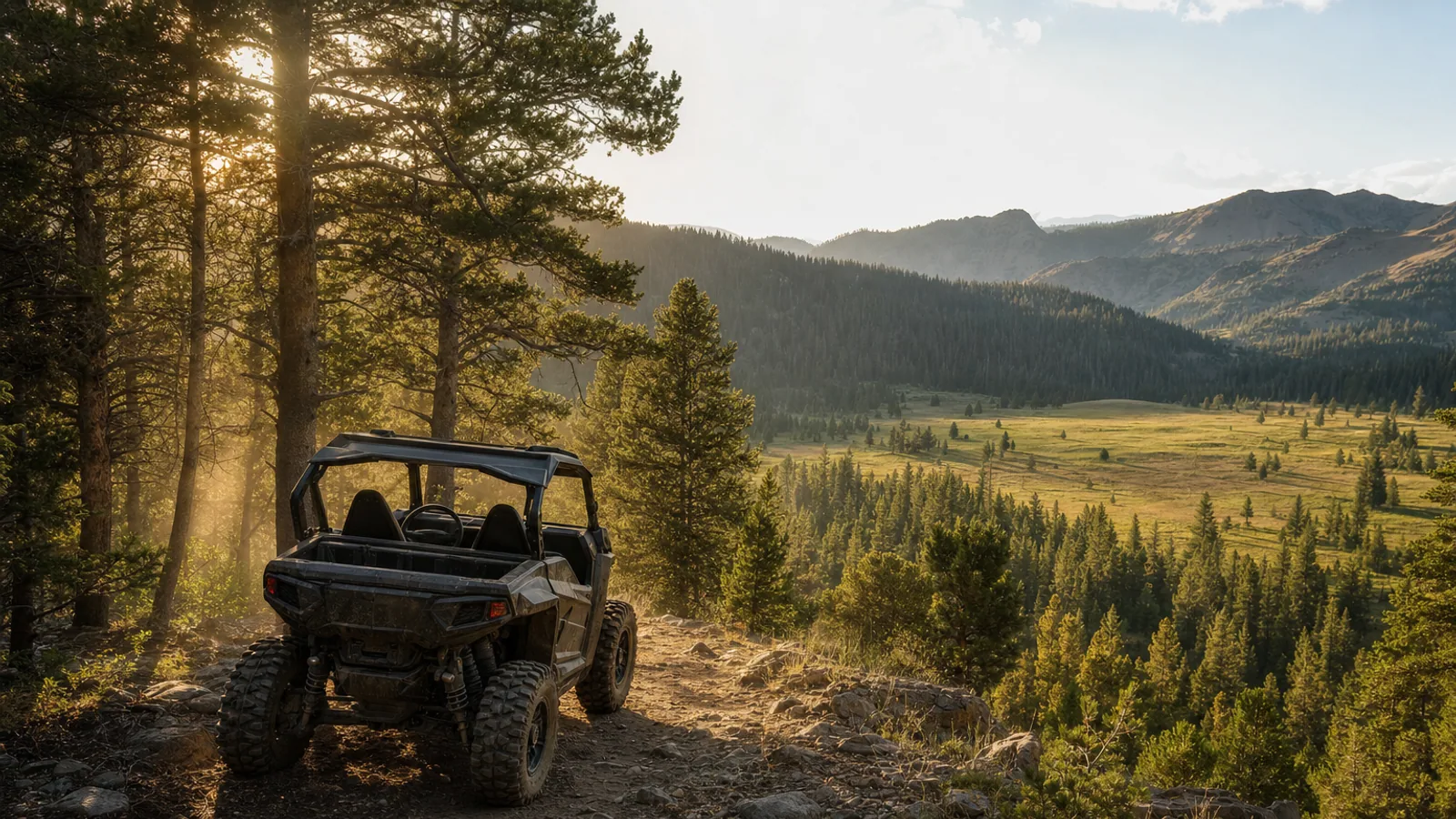 Things to Do
 Renting an ATV in Duck Creek Village: What to Book, What to Skip, and What Nobody Tells You First
Duck Creek sits on 300 plus miles of high-country OHV trail. Here is which machine to actually rent, when to ride, and the one legal step first-timers always miss.
Book the basecamp
When the trip idea is taking shape, Duck Creek Village Inn makes an easy base between slower mountain time and bigger Southern Utah days.