Every month up here trades something away. Snow lingers on north facing trails into June, the monsoon arrives mid July, August builds and breaks by mid afternoon, and September is the quiet gorgeous one nobody books early enough.
Every month up here trades something away. Roads open before the trails do. Wildflowers arrive alongside the mosquitoes. Our warmest month is also the one that builds a thunderstorm most afternoons, and the prettiest one is what almost nobody books far enough ahead.
Each one costs you something different at 8,400 feet, so the useful question is what you came for rather than which month is best.
June: the road is clear and the high trails are not
Cedar Breaks sits above 10,000 feet and the park’s own guidance is direct about it. Snow, in their words, remains through late May and early June. Duck Creek is lower, so the village and the highway clear well before that, and people book June expecting full summer.
They arrive to a landscape running two or three weeks behind. North facing trails still hold drifts and the mud underneath them. Lake edges are soft. And the mosquitoes own the water in early summer in a way they do not by August.
June gives you the best sleeping weather of the year and the driest sky in exchange. Our own forecast log this summer put June at an average high of 73 and a low of 48, with a 4 percent average chance of rain on any given day. You can plan an entire week in June and not think about the weather once.
July: the green month, and the monsoon shows up partway through
In July the mountain looks like the pictures. Cedar Breaks runs its Wildflower Festival in the first half of the month, and the subalpine bloom along the rim ranks among the better wildflower displays in the state, with species that grow nowhere else. Rangers also run dark sky programs on Friday, Saturday and Sunday evenings through the summer, which is worth building an evening around given how little light pollution sits above this plateau.
The catch arrives mid month. The Southwest monsoon begins around the second week of the month, and the shift is not subtle. Our forecast log went from a 4 percent average chance of rain in June to 26 percent the following month. Same mountain, six weeks apart, and the afternoons stop being a given.
Book the first week for flowers and a dry sky. Book after that knowing you are sharing the afternoon.
August: plan the day around three o’clock
August is the warmest month here, and by the standards of anywhere below you it is still cool. Our log had it at an average high of 80 and a low of 58 while St George and Las Vegas were running 110 and up. That gap is why the village fills in August.
Understanding the shape of a day matters more here than the forecast percentage. Monsoon rain follows a strong cycle through it. Mornings stay dry, storms build, and most of the rain falls in the afternoon and evening. It also comes in bursts, several wet days followed by dry ones, instead of a little every day.
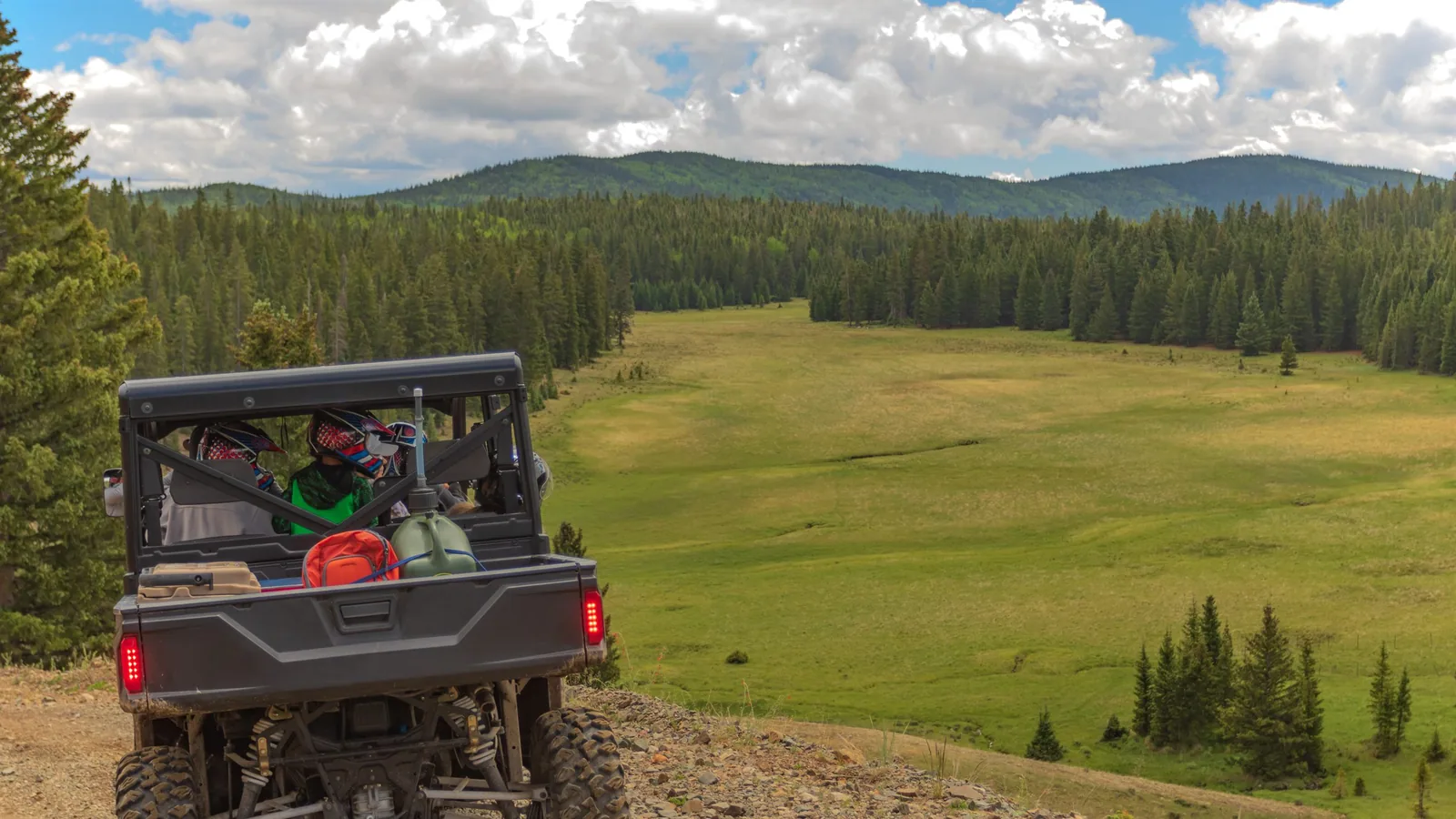
So August does not cost you your trip. It costs you your afternoons, and only if you plan them wrong. Do the summit, the long ride, the exposed ridge before noon. Save the lava tube, the town, and the porch for after two. We wrote about what those storms do to the dirt in trail conditions during the monsoon, and the same read applies to hiking.
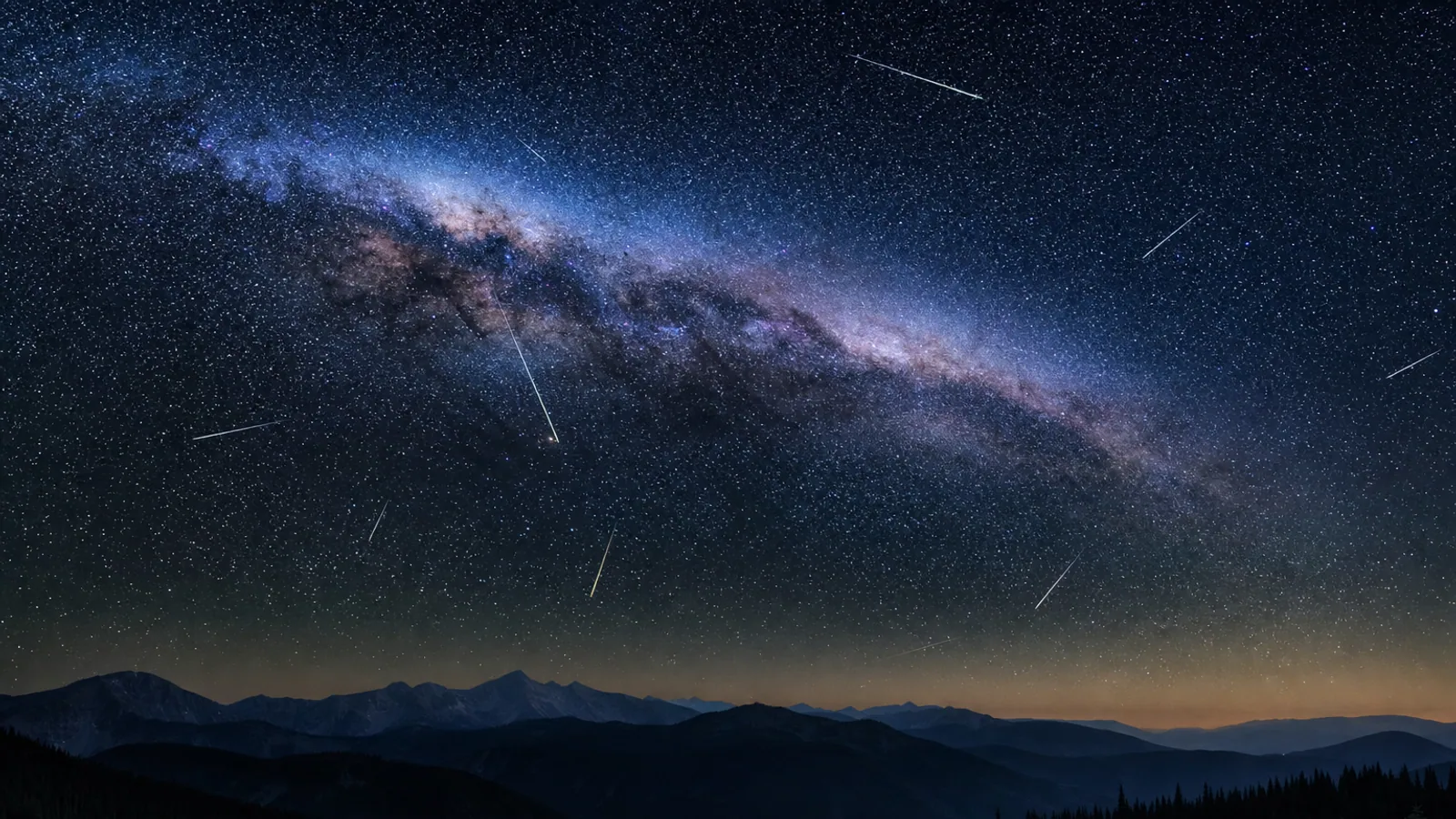
There is also one August night worth planning a whole trip around. The Perseid meteor shower peaks in the middle of the month, and at this elevation with this little light, it is a different event than the one you have seen from a suburb.
September: the quiet, gorgeous month nobody books early enough
By early to mid September the wind pattern reverts and the monsoon ends. The afternoons go back to being dependable. Nights get cold enough that the porch needs a jacket, and crowds thin out the week school starts.
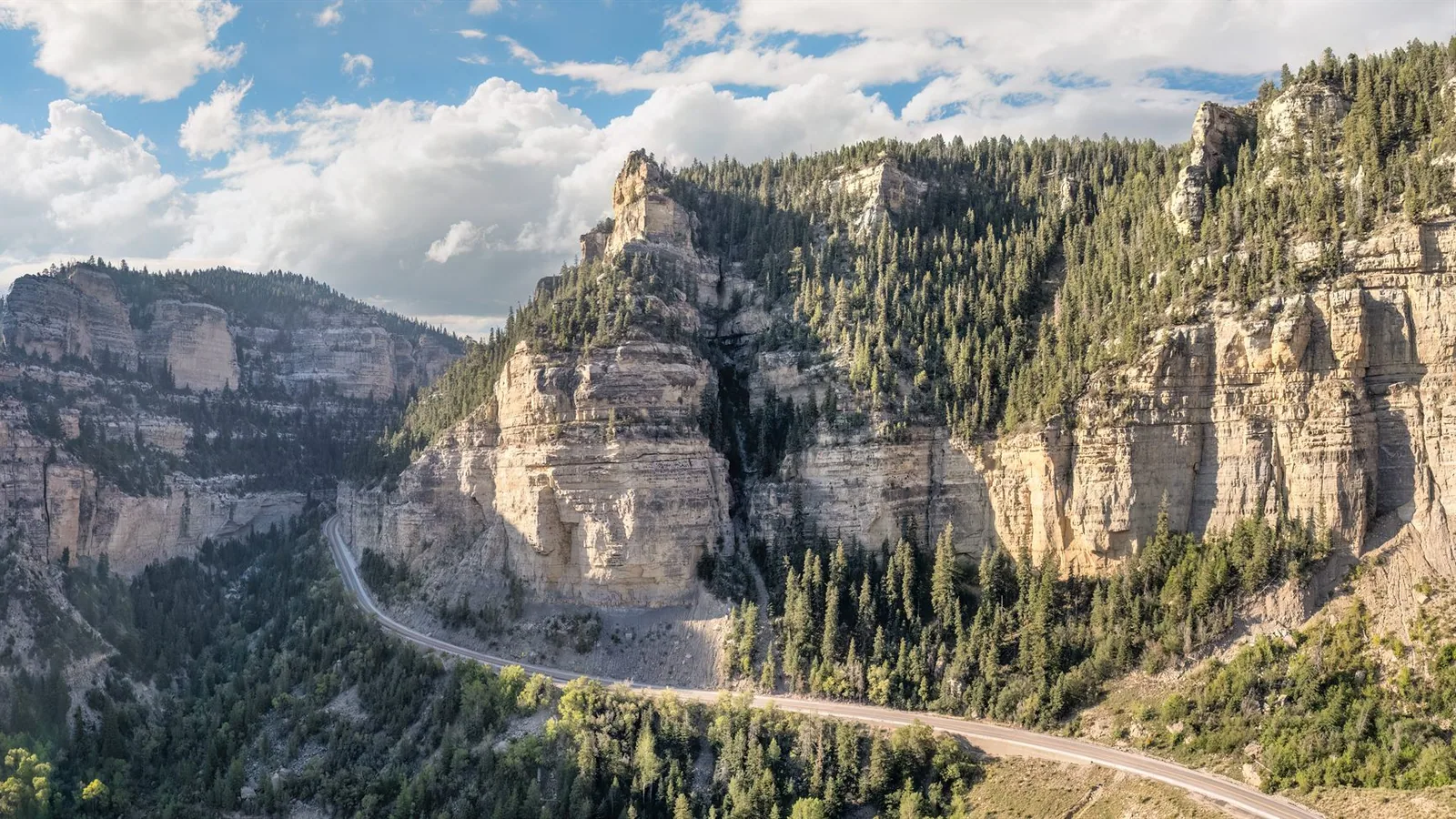
Then the aspens turn. Gold comes to the Rocky Mountain high country in late September, and Highway 14 through Cedar Canyon is one of the better places in southern Utah to be sitting in a car when it happens. The drive up from Cedar City rewards a slow drive that month.
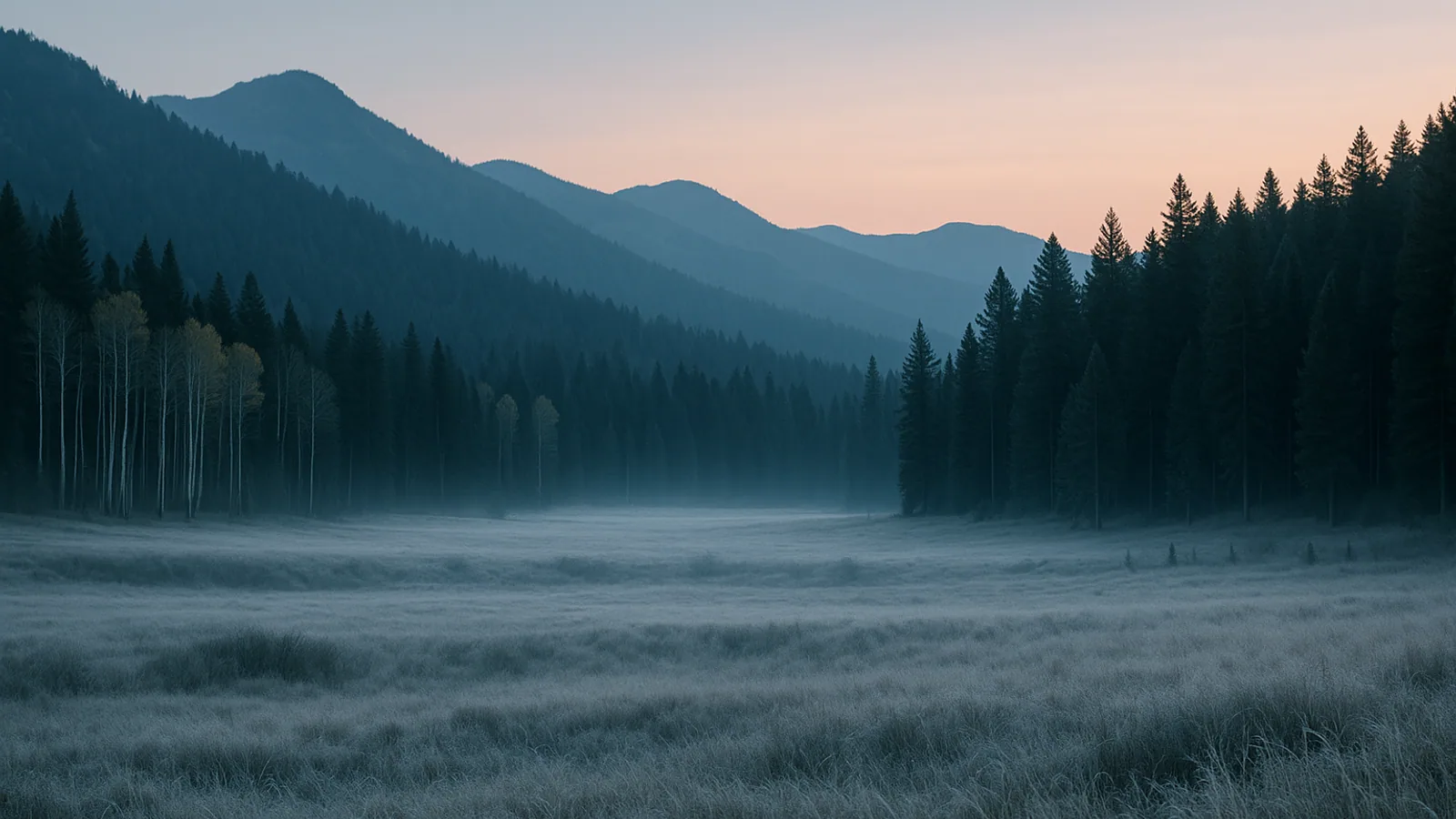
September is also when the elk start talking. If you have never heard a bull bugle across a meadow at first light, that is a September thing and it is worth the early alarm.
So which month should you book
June buys you reliable weather and cool nights, as long as you accept that the high trails are still melting out.
For wildflowers and full green, aim at the first half of midsummer.
Escaping heat, and able to manage an early start? August is the best value on the mountain, because storms will not touch you before noon.
The second half of September gets you the mountain closest to empty and at its prettiest. Bring a warmer jacket than you think.
The one thing that does not change is that everything up here happens at 8,400 feet. Whatever month you pick, the first night sleeps worse than the second, and the drive matters more than the distance suggests.
Once you have settled on a month, have a look at our rooms and cabins. September books later than it should, which is good news for whoever is reading this in August.