Not the Kentucky one, and not the Ice Cave. Mammoth Cave is a walk-through lava tube 20 minutes from the village, and it rewards a little planning. Here is the drive, the light math, the gate, and how to do it right.
Two caves near Duck Creek get talked about, and people mix them up all the time. The Ice Cave is the one everybody photographs: a single cold room that holds onto ice into midsummer. Mammoth Cave is the other one, and it is the one you can walk through. A lava tube, one of the largest in Utah, with more than 2,200 feet of passage running back into the dark under the plateau.
It is also not the Mammoth Cave you may be picturing. The famous one is in Kentucky. This one sits at about 8,050 feet on the Markagunt Plateau, 20 minutes from the village, free, undeveloped, and lit by whatever you carried in. That last part trips up most first-timers, so here is how a local plans the trip.
What it is
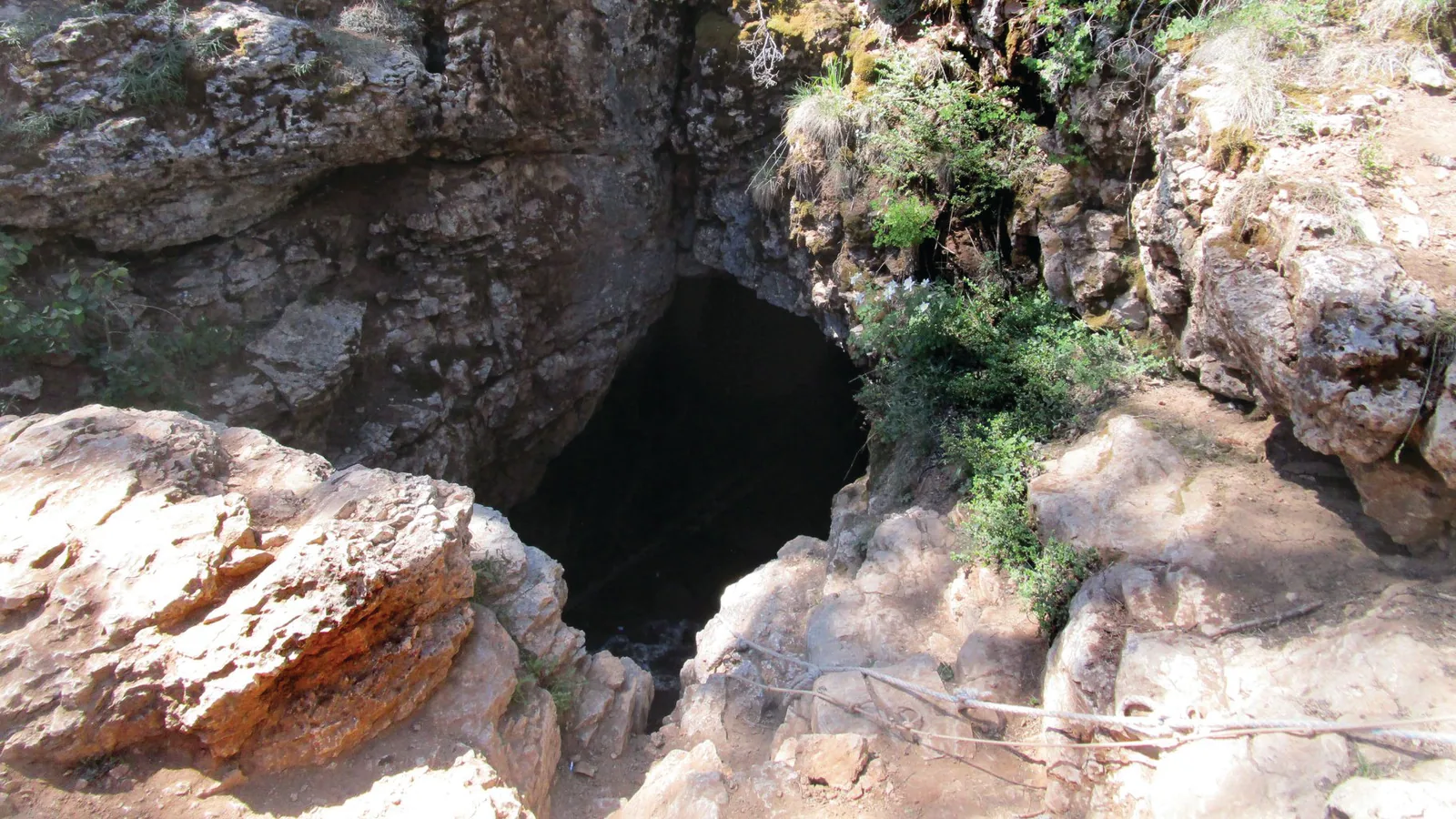
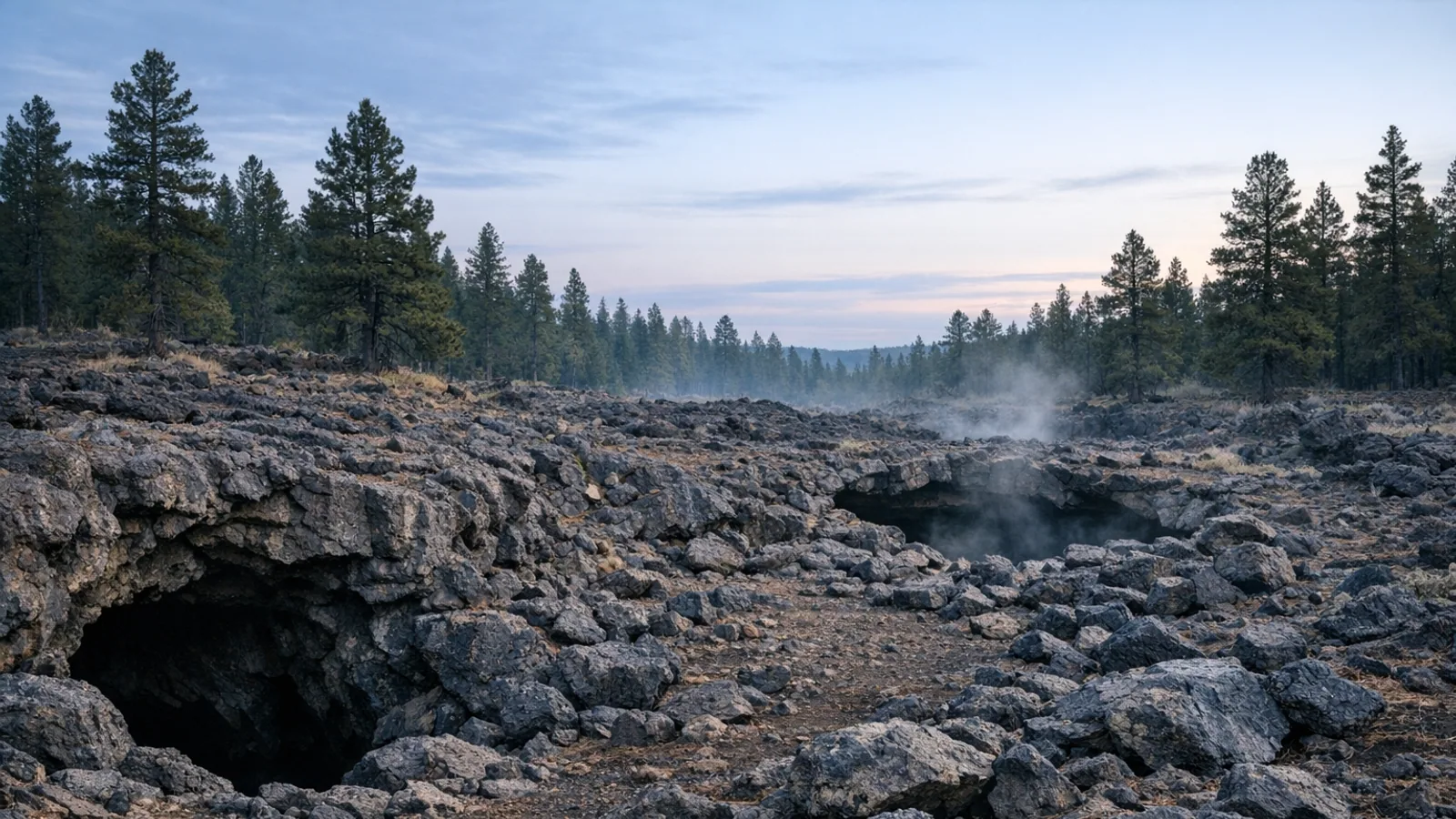
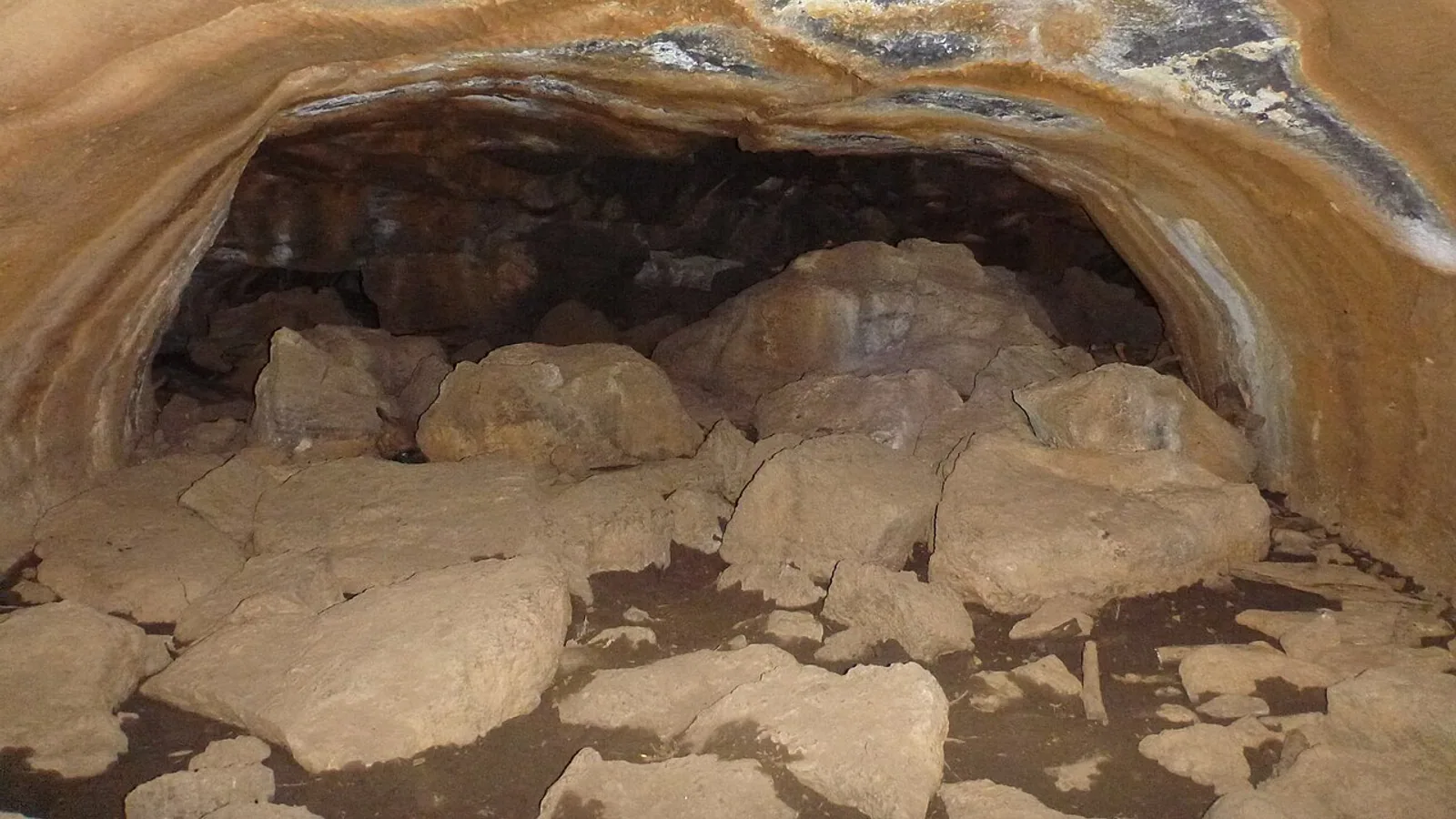
The plateau above Duck Creek is a young volcanic field. Basalt flowed across it, the outer shell cooled while the molten core kept draining, and that left hollow tubes behind. Mammoth is the biggest of them. Geologists put the lava at only a few thousand years old, which is nothing in rock time, and it shows. The walls still look poured, and the floor is a jumble of collapsed basalt blocks you pick your way across instead of a smooth trail.
There are several openings and a set of interconnected tunnels. One large main tube is the good one, open and tall enough to walk with an occasional stoop. The lower tubes get tighter, and one exit narrows to a crawl that large or claustrophobic visitors should skip. Nobody makes you take it, and you can see the best of the cave on your feet.
Getting there
From the village, head east on State Route 14, turn onto Forest Road 067 for about five miles, then Forest Road 064 for a mile, and follow the signs to the parking lot. It runs about seven and a half miles all in, and the last stretch is dirt. There is a small lot, a pit toilet, and a couple of picnic tables at the trailhead.
The road question is the one everyone asks. In dry conditions a normal passenger car makes it fine at low speed with an eye on the ruts. You do not need a Jeep or a side-by-side. You do need dry ground. These are forest roads, so snow closes them through winter and a hard monsoon rain turns the dirt greasy. If the sky has been dumping, the drive gets dicier than the cave.
Inside: what the walk is like
The tube swallows daylight fast. A few turns in, you cannot see the opening behind you or any hint of one ahead, and it is dark, the kind of dark where you stop and wait for your eyes to adjust and nothing changes. The floor is the whole challenge. It is uneven basalt, damp and slick where water seeps through, with blocks big enough to turn an ankle if you move faster than the light lets you see.
So you move at the speed of your light, not your legs. Families do this with kids all the time, and it goes well when everyone slows down and treats it like a rock scramble in the dark. It stays cool and damp year-round, with pooled water and mud in spots, so nobody comes out clean, and that is half the fun.
The two things people underestimate
Light. This is the one that turns a good afternoon into a short, frustrated one. A phone flashlight is not enough. It lights your feet and nothing else, and past the first turn you need to see the floor, the ceiling, and the block you are about to step onto. Bring a real headlamp for every person, hands-free, plus a backup light in the pack. If a family of four shows up with two phones, two of them stand in the dark while the other two explore. Headlamp on every person, one spare in the pack, and the afternoon opens up.
Footwear. Closed, sturdy shoes you do not mind getting filthy. The rock runs slick and the footing shifts underfoot, so sandals and clean sneakers are both mistakes. Long pants help on the tight sections, and a light layer earns its place because it is cold underground even when the plateau is warm. If you think you might try the tighter tubes, a pair of gloves saves your hands.
Bats, the gate, and checking before you go
Mammoth is summer habitat for bats, including Townsend’s big-eared bats, and that shapes the calendar. The Forest Service gates the large main tube and locks it during bat season, while the animals are most vulnerable. From about October through April the best tube stays closed, though the other openings stay open. Sources differ on the exact dates, so the honest move is to call before you commit the drive. The managing office is the Dixie National Forest Cedar City Ranger District at (435) 865-3700. One phone call tells you whether the gate is open and what the roads are doing.
One more courtesy matters for the bats. White-nose syndrome, the disease that has hammered bats back east, has not shown up in Utah yet, and everyone wants to keep it that way. Do not bring caving clothes or gear that has been in an affected cave elsewhere, and clean your gear afterward. It costs you nothing and it protects the colony that makes this place what it is.
When to go
Plan Mammoth for late spring through early fall, when the forest roads are dry and the main tube stands open. It is one of the few cool activities that improves on a bad-weather afternoon, because the destination sits underground and the temperature never cares what the sky is doing. That makes it a strong monsoon-season backup when the trails go slick at two in the afternoon. Just respect the difference between a passing shower and a soaking storm, since the second one complicates the drive in and can put water in the tube.
Make it a full afternoon
Mammoth does not fill a whole day, and that suits it. It is a 90-minute stop that pairs well with what sits around it. Its sibling lava tube, Bowers Cave, sits in the same field and adds a ladder and a different feel if you want two caves in one outing. If you would rather trade dark for daylight after, the short walks at Strawberry Point and Cascade Falls are close and pay off well for the mileage. And if you are turning the visit into a ride, you can reach the trailhead by side-by-side out of the village instead of from behind the wheel.
Cell service is thin to nonexistent on these forest roads, so tell someone your plan and do not count on a signal from the lot. Our rundown on staying connected up here covers where the signal holds and where it drops.
You will want a warm shower and a real bed at the end of a dirt-road, headlamp-and-mud kind of day, and we are 20 minutes back down the mountain. Our cabins and rooms put you close enough to make Mammoth a lazy morning instead of an expedition. Book direct, ask us about road conditions at check-in, and we will point you toward the good tube.